
Fibromyalgia Treatment and Causes

Have you ever experienced pain throughout the body and trouble sleeping? These could be a symptoms of fibromyalgia. Research hasn’t proved the causes of fibromyalgia, but people with this disorder have shown heightened sensitivity to pain. A person with fibromyalgia may experience overwhelming feelings of tiredness and chronic pain in the arms, chest, legs, abdomen, and back. However, there is still not any proven fibromyalgia treatment, but doctors and health care providers help to manage and treat symptoms. What is the leading cause of fibromyalgia? Fibromyalgia symptoms in females are the same as in men and children. Although fibromyalgia affects both men and women equally, it can affect anyone. A person’s age is irrelevant—children can be affected, but the likelihood of developing it rises with age, typically beginning in middle life. However, every race and ethnicity is affected by it. Your likelihood of developing fibromyalgia may increase if you also have other medical illnesses, particularly rheumatoid arthritis, psychological disorders, or pain-causing conditions. Among these ailments are: Arthritis. Acute spondylitis. Osteoarthritis Depression Back discomfort. Irritable Bowel Syndrome According to some scientists, having specific genes may increase your risk of developing fibromyalgia, which tends to run in families. Still, those without specific genes might also experience the disease. Fibromyalgia’s primary symptoms Symptoms of fibromyalgia are as follows: Persistent discomfort all over the body. People frequently characterize it as throbbing, burning, or hurting. Tiredness or a strong sense of exhaustion. Difficulty falling asleep. Some signs and symptoms could be: Stiff joints and muscles. Numbness in arms and legs. Issues with focus, clarity of thought, and memory (sometimes called “fibro fog”). Increased susceptibility to temperature, sound, light, and smells. Digestive problems include constipation or bloating. What are ways to treat fibromyalgia? There are no proper fibromyalgia medications, but this condition can be treated with some pain management techniques. Exercise: Some persons may experience less discomfort, stiffness, tenderness, and sleep disturbance when low-impact aerobic exercise and resistance training are combined. To notice results if exercise is reducing symptoms, it’s critical to continue exercising consistently. Diet: Any treatment strategy for fibromyalgia should consider the patient’s nutrition. A fibromyalgia sufferer may find it easier to manage and cope with their illness by making certain dietary adjustments. Among them are: Consuming sugar-free, high-energy foods can help reduce fatigue caused by the disease. Almonds, beans, oatmeal, avocado, and tofu are just a few foods that can increase energy levels throughout the day. Eliminating gluten-containing foods: Research indicates that cutting gluten-containing foods from the diet may help lessen fibromyalgia symptoms, even in those without celiac disease. KKT Treatment Fibromyalgia treatment can be challenging and will involve an interdisciplinary strategy. Cardiovascular exercises and KKT treatment have been proven to improve signs and symptoms in afflicted individuals, along with appropriate nutrition and a healthy lifestyle. Psychological and behavioral techniques to decrease anxiety are helpful. Make an appointment.
Knee Osteoarthritis: Key Warning Signs
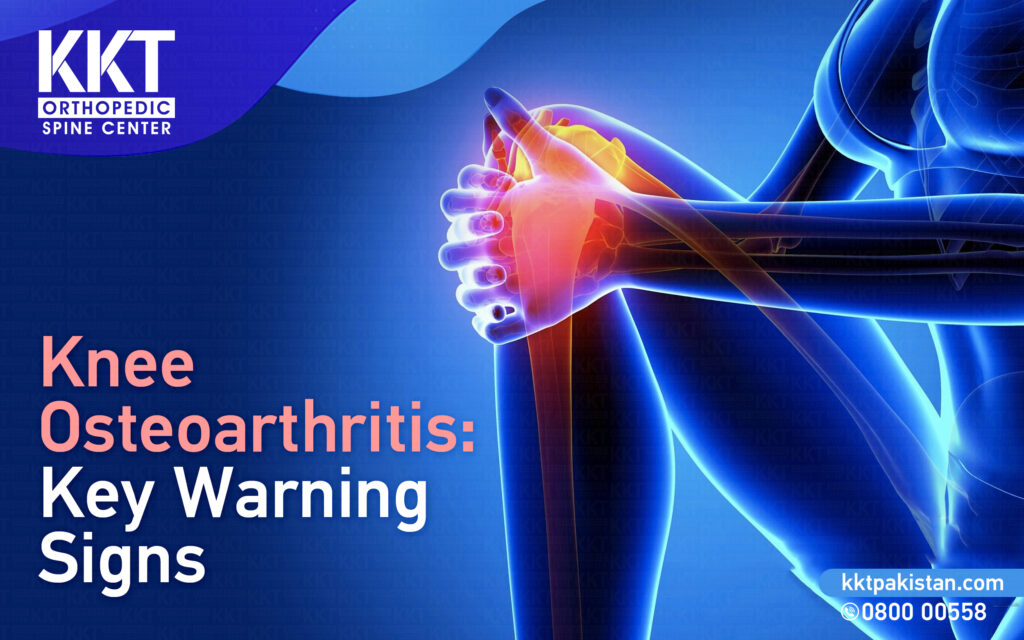
Knee osteoarthritis is one of the common types of arthritis with the knee being the most commonly affected joint. Osteoarthritis of the knee is quite common and women are comparatively more likely to be affected by OA of the knee than men. There are several factors that can lead to or cause osteoarthritis of the knee including, age (50 and above), injury, etc. Knee pain is the most common symptom of knee OA. Following are some more common symptoms of osteoarthritis of the knee: Often symptoms of osteoarthritis develop slowly and increase gradually, worsening over time. Key warning signs of Knee Osteoarthritis: This type of arthritis is also known as wear and tear arthritis or degenerative joint disease. Some of the most common joints affected by OA include knees, hips, and hands. Following are some of the key warning signs of knee osteoarthritis: 1. Joint stiffness: Stiffness in the affected joint(s) is one of the common symptoms of knee osteoarthritis. OA-related joint stiffness can happen when sitting for prolonged periods of time or getting up from the bed in the morning. Moreover, limited joint range of motion and loss of flexibility are also two common symptoms of knee osteoarthritis. 2. Pain in one or more joints: Arthritis-related pain is usually a dull and aching type of pain. However, there are various conditions that might result in an increase in pain. These might include: 3. Pain after activity: You might experience pain after activity that might reduce after rest, however, if this pain keeps coming back after activity, you would want to see your doctor. 4. Pain that gets worse at night: Discomfort at night is a common complaint by people affected by the arthritis of the knee. Pain and other symptoms (stiffness, etc.) associated with the disease may get worse at night. When to seek medical attention? Knee osteoarthritis gradually may start getting worse with time. In case of OA-related symptoms like swelling, hot at the touch, or pain in the joint consult a doctor. Osteoarthritis knee exercises can strengthen the muscles, helping the person to stay active. If your pain disrupts your day-to-day activities, you can’t get a proper good night’s sleep, it is time for you to go see your doctor. In case of increased pain, book your appointment with KKT Orthopedic Consultants in Lahore, Karachi, and centers located in other metropolitan cities across Pakistan.
Neck Arthritis: Exercises to Avoid
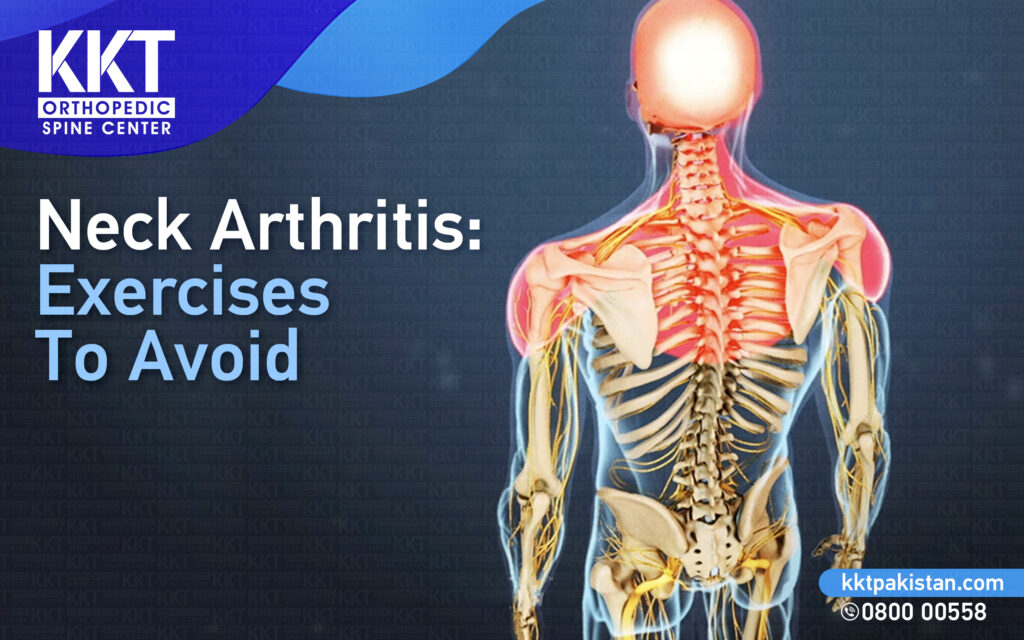
One of the reasons behind neck pain can be neck arthritis. This is a joint-related condition causing swelling and inflammation in one or more joints. But what causes arthritis in the neck? Neck arthritis occurs due to damage to the facet joints or disc(s) in the cervical spine/neck. Arthritis in the neck and headaches have a close connection. One of the osteoarthritis in the neck symptoms includes a headache. There are several exercises that can help with neck arthritis, strengthen the muscles and therefore, reduce the pressure. However, along with being beneficial, there are some neck arthritis, exercises to avoid. Please note that only some exercises are to be avoided not all exercises. Depending on the severity and cause of the neck pain, exercises might help. Note that don’t perform exercises without an expert’s opinion or instructions. Neck Arthritis: Exercises to Avoid Several things can result in an increase in neck pain. Even by looking up and activities involving holding your head in the same position for prolonged periods of time. Neck pain can occur due to several different reasons like cervical radiculopathy, osteoarthritis in the neck, or muscle spasms. Arthritis in the neck can cause headaches. Coming to the exercises for neck arthritis; any exercise that puts a strain on your neck and muscles around can result in increased pain or other neck arthritis symptoms. With an arthritic neck; exercises to avoid may include the following: Sit-ups: People are attracted to sit-ups because it engages the core muscles. Sit-ups help with reducing lower back pain. However, if sit-ups aren’t done properly, performing them can result in back and neck pain instead. Posture during this exercise plays a significant role. Incorrect posture can put excessive pressure on your arthritic neck resulting in neck pain. Therefore, don’t perform the exercise until or unless prescribed or instructed by your healthcare provider. Bridges: This exercise involves lying on the back with feet, neck, and shoulders on the ground while hips off the ground. Bridges are good for engaging the core and thigh muscles however, put pressure on the neck. This can exaggerate the neck arthritis symptoms, therefore, avoid bridge exercise. Overhead press: Also known as the military press involves pushing weight overhead at your shoulder height. Overhead press can be performed during both sitting and standing. This type of exercise can be problematic for people suffering from neck arthritis and can cause a lot of pain. Neck Arthritis: Exercises to perform Some of the common exercises can be beneficial for neck arthritis. Restrain from exercising if you have severe pain in the neck or weakness in your arms or hands. Following are some of the simple exercises for the neck: Head tilt: For performing this stretch, sit on a chair or stand and follow the below-mentioned steps: Now slowly and gently tilt your head towards your left shoulder without moving the shoulder upwards. Hold this position for about 5 to 10 seconds and come back to the initial position. Repeat the same on the right side as well. Repeat the entire thing about 5 times. Chin tucks: For performing this stretch, either sit or keep standing but maintain a proper posture. If you have trouble maintaining balance, it is better to sit down for performing the stretch. Follow the steps mentioned below: Slowly tilt your head forwards/inwards resting the chin on your chest. Gently tense your neck muscles. Hold this position for about 5 to 10 seconds and come back to the initial position. Repeat this stretch at least 5 times. Shoulder rolls: Along with neck stretches, shoulder stretches also strengthen the neck muscles. To perform shoulder rolls, perform the steps mentioned below: Choose either between sitting or standing with feet shoulder wide apart. Now in a smooth motion, move your shoulder up, back, and down. Repeat this 5 times. Then reverse the motion, i.e., up, forward, and down. Repeat it 5 times as well. Summary: Neck pain can be caused due to several conditions. KKT Orthopedic Spine Center offers revolutionary non-surgical treatment for spine-related ailments including neck pain and arthritis. In case of back or neck pain, book your appointment with highly qualified KKT orthopedic consultants in Lahore, Karachi, and other operational centers in Pakistan. For booking an appointment, click on the link below:
What causes Osteoarthritis?
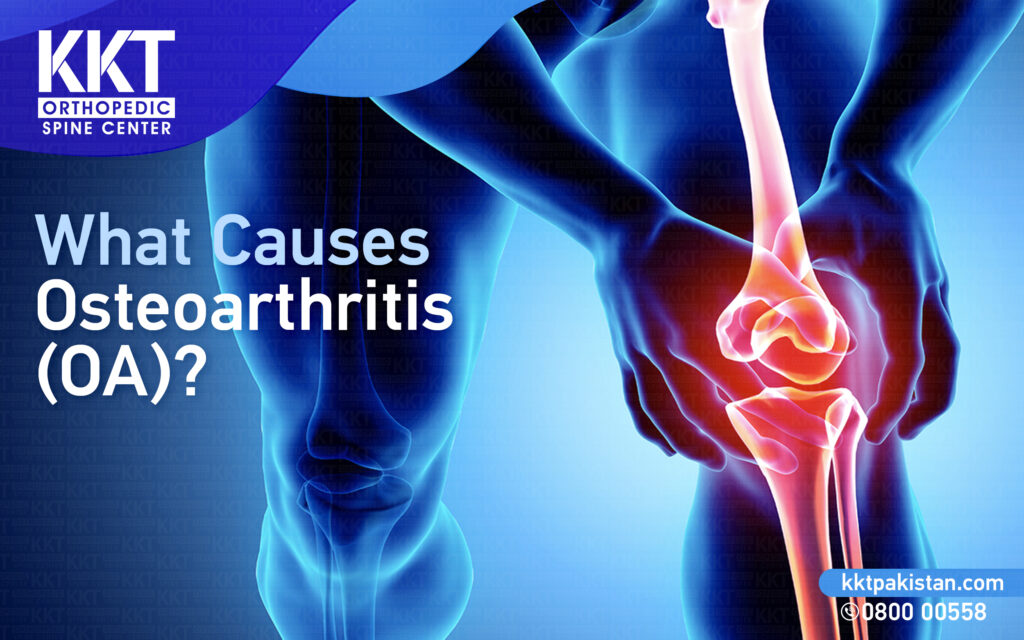
One of the most common types of arthritis is Osteoarthritis (OA). It is a degenerative joint-related condition – wear and tear arthritis. Osteoarthritis is caused due to breakdown of the cartilage and can affect any joint. However, OA usually affects the knees, spine, fingers, and hips joint. This type of arthritis is more common among older people. But the question is what causes osteoarthritis? Before that let’s learn some of the most common osteoarthritis signs and symptoms. Symptoms of Osteoarthritis: Common osteoarthritis symptoms include the following: Joint pain gets worse when using the joint and gets better with rest. Stiffness and swelling in the joints Limited range of motion Changes in the joint appearance What causes Osteoarthritis? Osteoarthritis (OA) is more common among older people (occurs over time). There are certain factors that may increase the risk of osteoarthritis. Some of the risk factors of OA include the following: – Aging: This joint disease is more common among older people, however, can also affect young people. The risk of OA increases with age. – Being overweight: Excessive weight or being overweight puts more pressure on the spine and joints. Especially on the weight-bearing joints like hips and knees. It, therefore, promotes damage to the cartilage. This is why obesity increases the risk of OA. – Injury or overuse of the joint: Repetitive stress on the joint and knee bending can cause damage to the joint, therefore, increasing the risk of OA. – Family history of the disease (OA): People with a family history of OA have a higher risk of developing this particular joint disease. – Gender Comparatively, women are more likely to develop OA than men. Osteoarthritis Prevention: Altering some factors in life may help in preventing joint-related problems. Putting lesser stress on your joints can reduce the risk of OA. Following are some of the preventive measures for OA: – Healthy body weight Maintaining a healthy body weight can be pretty important for the prevention of osteoarthritis. As mentioned earlier, obesity increases the risk of developing OA. – Be physically active: Exercising regularly is one of the best ways to prevent joint-related disorders. Being physically active and exercising strengthens the muscles. Consult with your physician for safer exercises for you. – Pay attention to your pain! In case of pain in your joints after exercise, rest your joint and perform ice therapy. Consult with your healthcare provider for exercises safer according to you. When to seek medical attention? If you have joint or knee pain that doesn’t go away, book an appointment with KKT Orthopedic Consultants today. KKT offers revolutionary non-surgical treatment for various spinal ailments. With operational centers across Pakistan and highly qualified orthopedic consultants in Lahore, Karachi, Rawalpindi, and more. For booking an appointment, click on the link below:
Osteoarthritis in the Neck (Cervical Spondylosis)
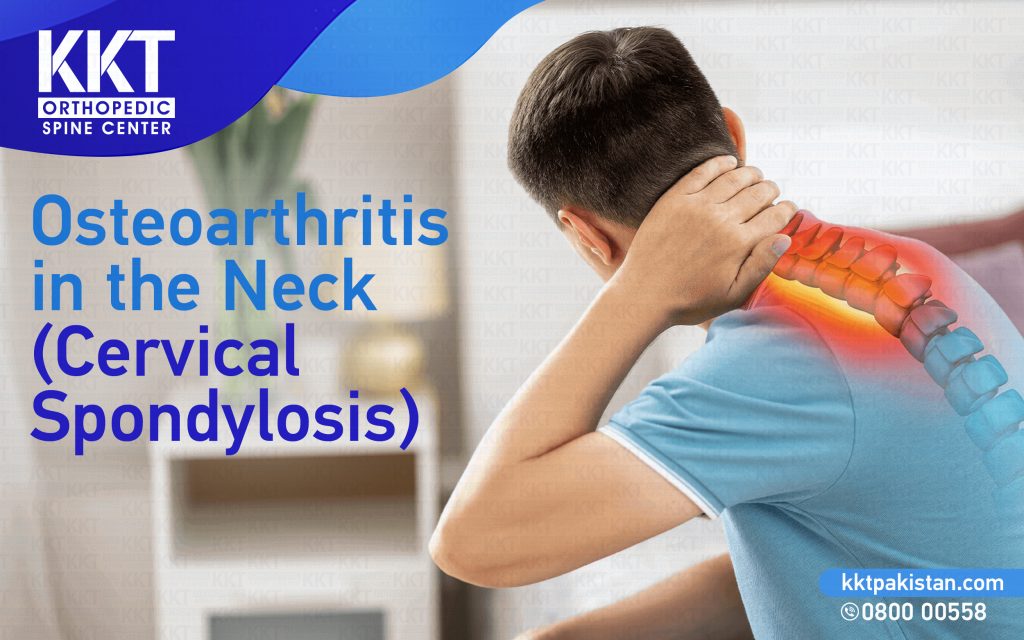
Cervical osteoarthritis is also known as cervical spondylosis. This disorder involves joints, discs, and bones in the neck or cervical spine. With age, the discs gradually break down, losing the fluid and becoming stiff. Cervical spondylosis or osteoarthritis is a generalized term for age-related wear and tear in the neck. Common symptoms of osteoarthritis in the neck include neck pain and stiffness. Symptoms of Osteoarthritis in the neck: Usually, osteoarthritis (cervical spondylosis) causes no symptoms. But if osteoarthritis in neck symptoms do occur, the following are some of the common ones: Pain in the neck Stiffness in the neck Headaches (Arthritis in the neck can cause headaches if the damage occurs at the top of the spine (first, second or third vertebrae) Narrowing of the spine Weakness and numbness in the arms, hands, and fingers Difficulty in bending or turning the neck Risk factors of Osteoarthritis in the neck: What causes arthritis in the neck? The degenerative changes occurring throughout the spine as we age can lead to cervical spondylosis or osteoarthritis. One of the major risk factors of osteoarthritis is age. This spine-related condition is most common among middle-aged and older adults. However, there are several other factors that may increase the risk of arthritis in the neck, these include: 1. Family history: Having a family history of osteoarthritis, neck pain, and spondylosis. 2. Job type: An occupation that involves repetitive motions, heavy lifting, or overhead work putting stress on the cervical spine. 3. Other medical conditions: Any prior injury to the neck or trauma can also increase the risk of osteoarthritis. 4. Weight Excessive weight can lead to a higher risk for osteoarthritis in the neck. More weight puts excessive pressure on the joints. Furthermore, with excess weight, the inflammation caused can be more damaging. Exercises for neck arthritis: Physical activity or exercise plays a significant role in relieving arthritis pain in the neck. They strengthen the muscles that support the joints and decrease joint stiffness. Moreover, to improve mobility exercises also help with increasing blood flow. A couple of exercises can help relieve symptoms of arthritis in the neck. Some of these exercises include the following: Chin tuck Active cervical rotation Shoulder rolls However, there are some neck arthritis exercises to avoid. They include: Sit-ups Bridges Military press Tips for exercises with osteoarthritis in the neck: Following are some of the tips for safe stretching: Perform the stretches smoothly and gently Note that the stretch shouldn’t be painful Slowly increase the depth of stretches over time and repeat them if needed. Don’t hold your breath In case of pain, book an appointment with KKT orthopedic consultants. KKT offers non-surgical spinal treatment for various conditions including osteoarthritis. For further information, you can contact us at the number given below. Phone: 0800-00-558
What are the most common causes of Knee Pain?

Being physically active is quite beneficial for the joints and your body. However, knee pain is very common and can affect people of all age groups. One of the common causes of knee pain is associated with the wear and tear of the joint over time or due to some injury to the knee. Wear and tear can happen due to day-to-day activities like exercises, walking, lifting or bending, etc. Knee pain and other joint-related problems are also common among athletes. No matter the knee pain reasons, it can be very exhausting and debilitating for the person affected. Common Causes of Knee Pain: Is your knee paining? Joint or knee pain affects several people due to various different reasons. As mentioned earlier, knee pain is most commonly caused due to aging, stress on the joints, or overtime wear & tear. Following are some of the most common knee joint pain causes: Arthritis: Osteoarthritis Rheumatoid Arthritis Knee Injuries 1. Arthritis: Arthritis is a joint-related condition causing swelling, inflammation, and tenderness in one or more joints. Stiffness and pain in the joints are common symptoms of arthritis. It is also one of the common knee swelling causes. There are two most common types of arthritis; Osteoarthritis (OA) & Rheumatoid Arthritis (RA). One of the common knee pain causes in young adults includes osteoarthritis. Yes, this type of arthritis can affect people at a young age. Moreover, being an athlete or obese also increases the risk of OA. – Osteoarthritis: It is one of the most common types of arthritis. OA occurs when the cartilage between the joints either breaks down or it wears off. This causes the bones to rub together within the joint. Some symptoms of OA include the following: Pain in the affected joints Stiffness in the joints is common after waking up or being inactive. Tenderness on applying light pressure to the joint/near it. Loss of flexibility & decreased range of motion. Swelling in the joint caused due to soft tissue inflammation. – Rheumatoid Arthritis: RA is an inflammatory and autoimmune disorder. Meaning, that by mistake healthy cells in your body are attacked by the immune system. This causes inflammation in the affected parts of the body. RA typically affects the joints, usually more than one joint. It commonly affects the joints in the knees, hands, and wrists. Common symptoms of RA include the following: Pain and stiffness in more than one joint Swelling and tenderness in more than one joint Fever Weight loss Weakness and fatigue 2. Knee injuries: Performing repetitive motions can cause overuse injuries and is one of the causes of knee pain. Sprains, strains, or tears are also included in injuries to the knee. Remedies for knee pain: Following are some of the common activities that can be done for the pain in the knee joint: Rest Use ice pads Elevate your knee Perform strengthening exercises Preventing knee pain: In order to prevent knee pain & injuries: Don’t perform exercises if you feel pain in your knees Gradually make your workout intense not suddenly. Before and after any physical activity, stretch your legs. When to seek medical attention? In case of pain, consult your nearest KKT Orthopedic Spine Center. We have 8 operational centers in major metropolitan cities across Pakistan (Lahore (Johar Town/DHA), Karachi, Rawalpindi, Faisalabad, and more). For booking an appointment, click on the link below:
Diabetes and Joint Pain: What’s the connection?

Joint pain is quite common with increasing age, but are you experiencing joint pain with diabetes? Knee or joint pain is not unusual among people with diabetes. According to the Arthritis Foundation, there is a lot in common between diabetes and arthritis. Diabetes is a condition in which the human body doesn’t either produce enough insulin or use it accurately. Over time nerve damage caused due to diabetes can also affect the joints. This article will shed light on the connection between diabetes and joint pain. Diabetes and Joint Pain: What’s the connection? As mentioned earlier, diabetes is a condition in which either: The body doesn’t produce insulin Doesn’t produce enough insulin Insulin isn’t being utilized properly But can diabetes cause joint pain? High blood glucose can cause several complications; it can damage the blood vessels nourishing the nerves. Long-term high blood sugar levels can cause significant damage to the nerves, a condition also known as diabetic neuropathy. This condition can also affect/damage the joints. Not only joint pain, diabetes’ link with OA has also been reported by some studies. It also shows that diabetes mellitus (DM) can play a role in worsening the symptoms and increasing the severity of OA. All about Joint pain: Joint pain is quite common among people with diabetes, however, also has various other causes. Some of the common causes of joint pain include the following: Osteoarthritis Rheumatoid arthritis Injuries Symptoms: Following are some of the changes you might feel in your joints: Joint stiffness Swelling Redness Reduced range of motion Tenderness Prevention: Diabetes is closely linked to increased body weight, which also increases the risk of OA. As excess weight puts more pressure on the joints. Maintaining a healthy weight and practicing regular exercises can help reduce the risk of type 2 diabetes and OA. When to seek medical attention? Osteoarthritis is one of the most common types of arthritis (joint-related disease). And about half of adults with diabetes also have arthritis (Arthritis Foundation). Similarly, people with arthritis are at a higher risk of developing diabetes compared to people without this joint disease. KKT Orthopedic Spine Center offers revolutionary non-surgical Canadian Technology Orthopedic Treatment. Around 18 various spine, muscle, and joint-related ailments are treated here. For booking an appointment, get in touch with us through our patient care line. Toll-Free Number: 0800-00-558
What causes Rheumatoid Arthritis?
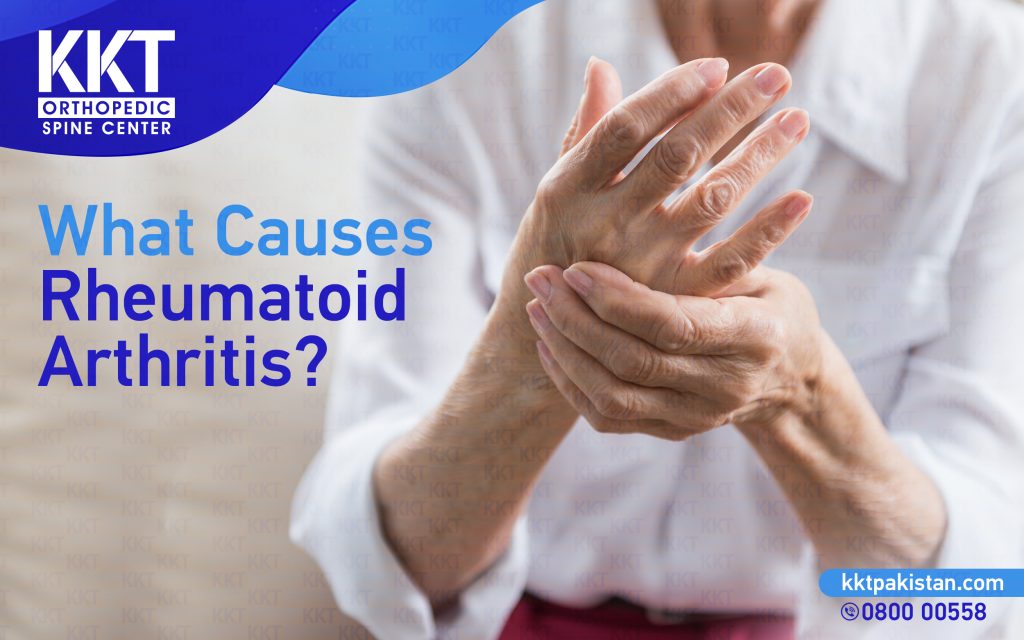
Rheumatoid arthritis (RA) is an autoimmune disorder mainly affecting the joints. It occurs when your body’s immune system targets the thin layer of healthy tissue lining the joints. Rheumatoid arthritis usually affects the joints but inflammation caused by it can affect other organs as well. This joint-related condition causes several issues like pain, fatigue, etc. The question is what causes rheumatoid arthritis? The exact reason RA occurs is unknown, however, there are several risk factors. Rheumatoid Arthritis: Risk Factors: Some of the factors that can increase the risk of RA include the following: 1. Age: The risk of developing RA increases with age, however, it can affect at any age. People in their 60s have the highest onset of RA. 2. Lifestyle exposure & the environment: The risk of rheumatoid arthritis may increase in adulthood due to various exposures at an early age. Toxic chemical exposure may also add to the risk of you developing RA. 3. Gender: This joint-related condition is more common among women compared to men. 4. Obesity: Obesity or excess weight people are at a higher risk of developing RA, especially for people under 55. 5. Smoking: Smoking results in a higher risk of RA especially if the person’s genes make them more likely to. Moreover, smoking can also make the condition worse. 6. Family history: If someone from your family has RA, you may also be at a higher risk of developing the condition. Rheumatoid Arthritis: What are the symptoms? Early signs of rheumatoid arthritis include the following: Fatigue; feeling tired is one of the early symptoms a person comes across due to RA. Slight fever Stiffness Weight loss Pain, swelling, and tenderness in the joints Other signs of rheumatoid arthritis include: Pain, stiffness, or aching in more than one joint. Weakness Same symptoms on both parts (e.g., both knees or both hands) How is Rheumatoid Arthritis diagnosed? Diagnosing RA involves diagnostic tests like radiology and blood test (e.g., RA factor). What is RA Factor? It is a kind of blood test that measures rheumatoid factors (proteins produced by the immune system that can attack healthy cells) in the blood. At KKT Orthopedic Spine Center, diagnosing RA involves: An intensive background history Detailed physical examination Diagnostic tests Why KKT? KKT offers revolutionary non-surgical Canadian technology treatment for spine-related ailments. KKT treatment plays a vital role in realigning the spine back to its original position eventually eliminating pain and other issues that occurred due to misalignment of the spine. For booking an appointment, click on the link below.
Best Exercises for Arthritis of the Knee
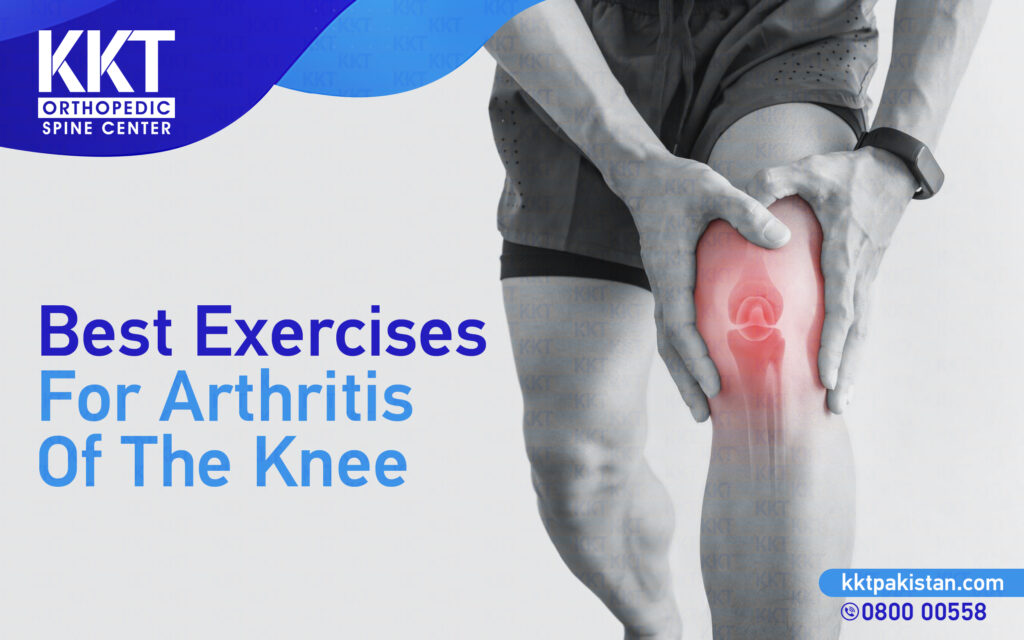
Arthritis is a common joint-related condition resulting in pain and swelling. This condition gets worse with age. There are two most common types of arthritis; osteoarthritis (OA) and rheumatoid arthritis (RA). Arthritis can affect the largest joints in the human body; more common among knee joints. Exercise and physical activity with arthritis are beneficial, they strengthen the muscles and joints. How do exercises help with knee arthritis? Performing any physical activity, especially with knee arthritis, exercises might feel overwhelming. However, strength exercises for OA or knee pain can be beneficial. It can help relieve the symptoms caused due to arthritis like pain, stiffness, and swelling. Following are some of the reasons behind exercises for arthritis: Improves joint’s range of motion Strengthens muscles which ultimately help the joint absorb shock Strong muscles provide better support to the joints Healthy cartilage Aids in weight loss Maintains bone strength Improves balance What is the best exercise for arthritis knee pain? Walking is one of the best forms of exercise. It eases joint pain, strengthens leg muscles, and improves posture and flexibility. Exercises for Arthritis of the knee: 1. Leg raises while lying down: Lie straight on the floor with your both arms on the sides and toes straight Straighten your legs, stretching the muscles, and then gently lift one leg up from the ground (several inches) Push your lower back down by tightening your stomach muscles Hold your posture for 5 seconds and slowly lower your leg. Repeat the same exercise on the other leg. 2. Calf stretch: Perform this exercise while standing Place a chair’s back in front of you for balance Step back with your left leg, slightly bending your right leg Slowly straighten your left leg behind you, and note to press your heel against the floor. You will feel the stretch in the left leg’s calf Hold this position for about 20 seconds Repeat the same thing on the other leg. Perform it twice on both legs. 3. Heel raises: Stand straight on the floor and use a chair’s back for support/balance. Gently lift your heels from the floor, raising up on your toes. Hold this position for 3 seconds and lower your heels back to the ground. Perform at least 10 sets of this exercise 4. Half squat: Stand straight on the floor with feet shoulder distance apart. Stretch your arms in front of you Slowly start bending your knees till you reach a half-sitting position. If you need, hold onto a chair for balance Make sure to keep the chest lifted and back straight; avoid leaning forward. Hold this position keeping your feet shoulder distance apart for 5 seconds Then come back to the initial position slowly, 5. Side leg raises: Place a chair in front for support and balance Stand tall, put your body weight on one leg and lift the other leg out to the side. Ensure to keep the stretched-out leg straight and muscles tensed Hold this stretch for 3 seconds and then gently lower the leg back to its initial position. Repeat the similar stretch on the other leg Switch legs after performing each step. Knee Arthritis Exercises to Avoid: What exercises are bad for arthritis? Following is the list of arthritis (e.g., osteoarthritis) exercises to be avoided, and be cautious while performing: Deep lunging Squatting Running Weight Lifting, etc Arthritis Exercises for seniors: Following are some of the gentle exercises for seniors with arthritis: Walking Water workout Chair stand Hand stretching When to seek medical attention? If you have swelling, pain, and stiffness in your joints, consult a specialist. Book your detailed consultation and specialized assessment with highly qualified KKT Orthopedic Consultants in Lahore, Karachi, and other operational KKT centers across Pakistan. Get in touch with us through our patient care line for appointment booking. Phone: 0800-00-558 Or click on the link below.
Common Types of Arthritis Explained!

Inflammation or swelling in one or more joints is a common disorder also known as arthritis. This joint-related condition comprises about 100 diseases affecting the connective tissues, tissues around the joints, etc. Common signs and symptoms of arthritis include pain, stiffness, and swelling in the affected joints. There are several types of arthritis and the symptoms vary based on their kind. Types of arthritis: Symptoms: Arthritis can affect any of the joints, some of the common symptoms include the following: Pain Stiffness Swelling Redness Decreased range of motion Risk factors of the types of arthritis: In order to devise a proper treatment plan, understanding the type of arthritis is important. The following are common risk factors of arthritis: 1. Age: The risk of arthritis increases with age like osteoarthritis (OA) & rheumatoid arthritis (RA). 2. Gender: Type of arthritis differs when it comes to gender, for instance, RA is more common among women. However, gout is more common in men. 3. Obesity: Excessive weight puts extra pressure on the spine, joints (especially knee joints), and the hip. Therefore, people with excessive weight or obesity have a higher risk of developing arthritis. 4. Family history: If anyone in your family; a sibling or either of the patients has arthritis, the chances are higher that you may get it. There are some kinds of arthritis that run in family. 5. Previous injury: If you have had any injury to the joint probably while playing sports, can increase the likely hood of developing arthritis in that joint. Common Types of Arthritis: There are about 100 different types of arthritis and conditions related to it. The question is, what are the two most common types of arthritis? OA & RA are the two most common types. Following are some of the most common forms of arthritis: Osteoarthritis (OA) Rheumatoid Arthritis (RA) Ankylosing Spondylitis (AS) Osteoarthritis (OA): This type of arthritis is a degenerative disease and is the most common type of arthritis. Osteoarthritis (OA) is the kind of arthritis related to the wear and tear of the cartilage. This condition occurs due to overuse of the joints. Excessive weight also puts extra pressure on the joints, therefore, increasing the risk of OA. The joints most commonly affected by OA are the joints bearing the most weight, i.e., hips, knees, feet, and spine. What happens with OA? Cartilage acts as the shock absorber between two bones and with OA, this slippery material breaks down. Extra weight puts pressure on the cartilage, squeezes it and with time it wears off. And therefore, leaves the bone ends exposed as there is no cushioning layer in-between the two. With no cushion between the joints, you can hear the grating sound every time the bones rub on each other. Some of the common symptoms of osteoarthritis include the following: Deep pain Pain while walking Stiffness due to rest Difficulty performing day-to-day tasks like, Combing your hair Bending Gripping Climbing stairs Decreased range of motion Hard to move Moreover, the affected joint may be warm to the touch or swollen. Rheumatoid Arthritis (RA): This kind of arthritis is an autoimmune disease. It means that the immune system starts attacking the healthy parts of the body, which in this case are the joints. This causes inflammation in the joints but can also affect the entire body. There are two most common types of rheumatoid arthritis, which include; Seropositive & Seronegative. Some of the most common symptoms of arthritis include the following: Pain in more than one joint Swelling and stiffness in more than one joint Low-grade fever Loss in appetite Swollen joints What is affected? Hands Wrists Knees Ankles Shoulders Ankylosing Spondylitis (AS): One rare type of arthritis is Ankylosing Spondylitis (AS). This type occurs in the spine usually in the lower back causing pain and stiffness. The point where the sacroiliac joint meets the pelvis is where the symptoms of ankylosing spondylitis usually begin. Some of the most common AS symptoms include the following: Pain and stiffness in the lower back, buttocks, shoulder, hips, thighs, feet, etc. Pain that gets worse in the morning Swelling in the joints Fatigue Stiffness and pain after inactivity What is affected? The most commonly affected areas with ankylosing spondylitis include the following: Shoulder joints Hip joints The joint between the pelvis and where the spine ends Lower back vertebrae The cartilage between the ribs and breastbone Common differences between the Types of arthritis: RA is the kind of arthritis that typically begins/affects the smaller joints first and is an autoimmune disorder. However, ankylosing spondylitis is the type of arthritis that affects the spine, especially the lower back. On the other hand, OA is degenerative arthritis involving the wear and tear of the cartilage. When to seek medical attention? In case you have swelling, pain, and stiffness in your joints, consult a specialist. Book your detailed consultation and specialized assessment with highly qualified KKT Orthopedic Consultants in Lahore, Karachi, and other operational KKT centers across Pakistan. For appointment booking, get in touch with us through our patient care line. Phone: 0800-00-558 Or click on the link below.