
Table of Contents
- Introduction to Geriatric Physiotherapy
- Age-Related Physical Changes
- Candidates for Geriatric Physiotherapy
- Common Conditions Treated in Geriatric Physiotherapy
- Benefits of Geriatric Physiotherapy for Older Adults
- Physiotherapists Care for Geriatric Patients
- Comprehensive Assessment in Geriatric Rehabilitation
- Best Exercises for Seniors to Maintain Mobility and Strength
- Fall Prevention Strategies for Older Adults
- KKT Pakistan for Geriatric Rehabilitation
- Conclusion
- Frequently Asked Questions
Introduction to Geriatric Physiotherapy
Growing older brings many physical changes that can affect movement, strength, balance, and independence. While aging is a natural process, the physical challenges associated with it can make everyday activities more difficult and increase the risk of injury. Geriatric physiotherapy focuses on helping older adults maintain mobility, manage pain, improve physical function, and remain active for as long as possible.
This specialized area of physiotherapy addresses age-related musculoskeletal, neurological, and mobility concerns through individualized rehabilitation programs. Whether an older adult is recovering from surgery, managing arthritis, dealing with balance problems, or experiencing reduced strength, geriatric physiotherapy plays an important role in supporting physical health and quality of life.
Unlike general rehabilitation programs, geriatric physiotherapy considers the unique physical, functional, and medical needs of older adults. Treatment plans are designed to improve movement, reduce discomfort, and help individuals continue performing daily activities safely and confidently.
Age-Related Physical Changes
As people age, the body gradually undergoes changes that can affect mobility and physical performance. Muscle mass naturally declines over time, a condition known as sarcopenia. This reduction in muscle strength can make climbing stairs, lifting objects, or maintaining balance more challenging.
Bone density also decreases with age, increasing the risk of osteoporosis and fractures. Joints may become stiffer due to cartilage degeneration and reduced joint lubrication, leading to discomfort and restricted movement. Flexibility often declines, making it harder to bend, stretch, or perform routine movements.
The nervous system can also experience age-related changes. Reaction times may become slower, coordination can decrease, and balance may be affected. These factors contribute to a higher risk of falls and injuries among older adults.
Although these changes are common, they are not always inevitable. Regular physical activity, appropriate rehabilitation, and physiotherapy interventions can help minimize their impact and support long-term independence.
Candidates for Geriatric Physiotherapy
Geriatric physiotherapy is generally recommended for older adults experiencing mobility limitations, chronic pain, balance difficulties, or functional decline. While many people associate geriatric rehabilitation with individuals over the age of 65, physiotherapy may be beneficial earlier when age-related conditions begin affecting movement and daily activities.
Candidates often include older adults living with arthritis, osteoporosis, Parkinson’s disease, stroke-related impairments, joint replacements, spinal conditions, or chronic musculoskeletal pain. Individuals recovering from surgery, hospitalization, or prolonged inactivity may also benefit from structured rehabilitation.
Physiotherapy is particularly valuable for seniors who have experienced falls, developed walking difficulties, or become less active due to pain or fear of injury. By identifying movement limitations early, physiotherapists can help reduce further physical decline and promote healthier aging.
Common Conditions Treated in Geriatric Physiotherapy
A wide range of conditions affecting older adults can benefit from physiotherapy intervention.
Arthritis is among the most common reasons seniors seek rehabilitation. Joint pain, stiffness, and reduced mobility can significantly affect daily life. Physiotherapy helps improve joint movement and strengthen supporting muscles.
Osteoporosis is another frequent concern. Reduced bone density increases fracture risk and can lead to postural changes, back pain, and decreased confidence in movement. Exercise programs are often designed to improve strength and balance while protecting bone health.
Neurological conditions such as Parkinson’s disease and stroke can affect coordination, walking ability, and functional independence. Rehabilitation focuses on improving mobility, balance, muscle control, and confidence in movement.
Balance disorders are also common among older adults. Age-related changes in strength, vision, and coordination can increase the risk of falls. Physiotherapy helps address these contributing factors through targeted balance and mobility training.
Other conditions commonly managed through geriatric physiotherapy include chronic back pain, spinal disorders, joint replacements, muscle weakness, and mobility limitations associated with aging.
Benefits of Geriatric Physiotherapy for Older Adults
Geriatric physiotherapy provides benefits that extend beyond pain management. One of its primary goals is preserving independence and helping older adults continue participating in meaningful daily activities.
Improved strength allows individuals to perform tasks such as standing from a chair, walking longer distances, and climbing stairs more comfortably. Enhanced balance reduces fall risk and supports safer movement both inside and outside the home.
Physiotherapy can also improve flexibility, joint mobility, and posture. Better movement patterns often lead to greater confidence and increased participation in physical and social activities.
For individuals experiencing chronic pain, physiotherapy provides non-surgical strategies that may help reduce discomfort and improve overall function. Regular rehabilitation can also support cardiovascular health, improve endurance, and reduce the physical effects of prolonged inactivity.
Perhaps most importantly, physiotherapy helps older adults maintain their quality of life by promoting physical independence and reducing limitations associated with aging.
Physiotherapists Care for Geriatric Patients
Effective geriatric care begins with understanding each patient’s unique physical abilities, medical history, and functional goals. Physiotherapists carefully assess movement patterns, strength, balance, flexibility, and mobility before developing a rehabilitation plan.
Treatment programs are adjusted according to the individual’s condition, fitness level, and personal objectives. Some patients may require assistance with walking and balance, while others may focus on pain management, post-surgical recovery, or improving daily function.
Safety is a central consideration throughout treatment. Physiotherapists ensure exercises are performed correctly and modify activities as needed to accommodate physical limitations.
Education also plays an important role. Older adults and their families are often provided guidance on home exercises, fall prevention, posture, and activity modification to support long-term physical health.
Comprehensive Assessment in Geriatric Rehabilitation
A thorough assessment is essential for developing an effective rehabilitation program. Geriatric physiotherapy evaluations often consider multiple aspects of health and function. Physical assessment focuses on strength, flexibility, joint mobility, posture, walking ability, and balance. These findings help identify limitations that may affect daily activities.
Functional assessment examines how well an individual performs routine tasks such as standing, walking, dressing, or climbing stairs. Understanding these challenges helps guide treatment planning.
Cognitive and psychological factors may also influence rehabilitation outcomes. Memory difficulties, reduced concentration, anxiety, or fear of falling can impact physical performance and participation in therapy. Social and environmental factors are equally important. Home safety, caregiver support, and lifestyle habits often influence rehabilitation success and long-term independence.
Best Exercises for Seniors to Maintain Mobility and Strength
Regular exercise is one of the most effective ways to maintain physical function as people age. Physiotherapists often recommend exercises that improve strength, balance, flexibility, and endurance.
Walking Programs
Walking remains one of the safest and most effective forms of exercise for older adults. Regular walking supports cardiovascular health, maintains lower-body strength, and improves mobility. Consistent walking routines can also help reduce stiffness and improve overall endurance.
Walking also promotes joint movement, circulation, and balance while encouraging an active lifestyle. Even short daily walks can contribute to better physical function and help older adults maintain independence. Individuals with mobility limitations may benefit from supervised walking programs designed to match their fitness level and rehabilitation goals.
Strength Training Exercises
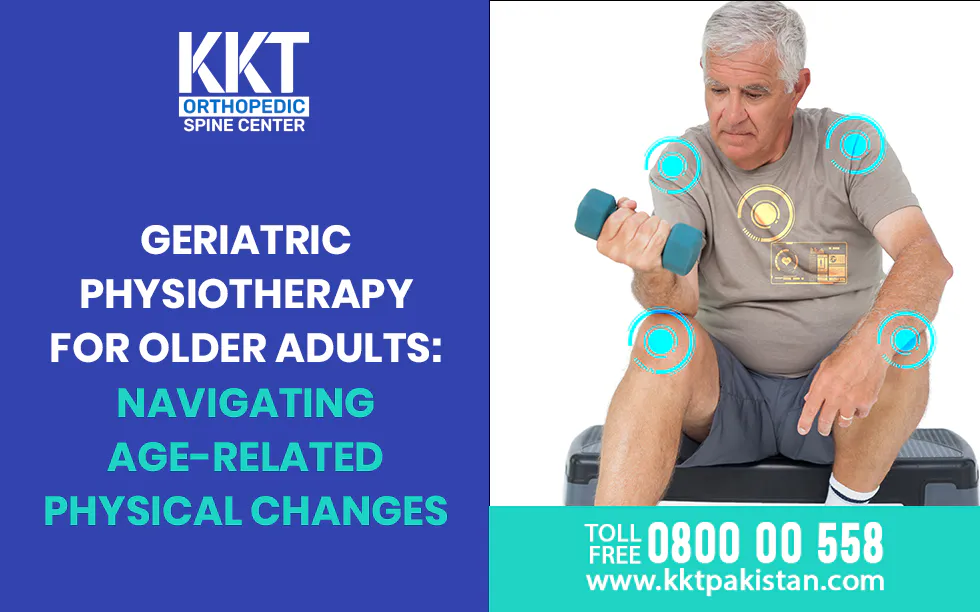
Strength training helps counteract age-related muscle loss and supports joint stability. Exercises may include chair squats, resistance band movements, and light weight training. Building strength improves functional abilities and reduces fall risk.
Maintaining muscle strength is particularly important for everyday activities such as standing from a seated position, climbing stairs, carrying household items, and maintaining balance while walking. Strength-focused exercise programs can also support bone health and reduce physical decline associated with aging.
Balance and Stability Exercises
Balance exercises are essential for preventing falls and maintaining confidence in movement. Activities such as standing on one leg, heel-to-toe walking, and controlled weight shifting can improve coordination and stability.
These exercises help strengthen the muscles responsible for posture and body control while improving the body’s ability to react to sudden changes in position. Regular balance training can enhance walking confidence and reduce the likelihood of fall-related injuries among older adults.
Flexibility and Stretching Exercises
Gentle stretching helps maintain joint mobility and reduce stiffness. Regular flexibility exercises improve range of motion and support more comfortable movement during everyday activities.
Stretching can be especially beneficial for older adults who experience joint tightness, reduced mobility, or discomfort after periods of inactivity. Improving flexibility helps support better posture, smoother movement patterns, and greater ease when performing daily tasks such as reaching, bending, and walking.
Fall Prevention Strategies for Older Adults
Falls are a major health concern among older adults and can lead to serious injuries, reduced confidence, and loss of independence. Preventing falls is therefore a key component of geriatric physiotherapy.
Balance training helps improve stability and body awareness. Strengthening exercises support better control during movement and reduce the likelihood of losing balance. Walking practice and gait training can also improve mobility and confidence.
Home safety modifications are equally important. Removing loose rugs, improving lighting, installing handrails, and reducing clutter can help create a safer environment.
Regular vision checks, appropriate footwear, and staying physically active further contribute to fall prevention. Through a combination of rehabilitation and practical safety measures, older adults can significantly reduce their risk of falls and maintain greater independence.
Role of Physiotherapy in Healthy Aging
Healthy aging is not simply about living longer. It is about maintaining the physical function, mobility, and independence needed to enjoy daily life. Physiotherapy supports healthy aging by helping older adults stay active, manage chronic conditions, and maintain confidence in movement.
Regular physiotherapy can improve strength, flexibility, balance, and endurance, all of which contribute to better physical performance. It also helps address movement limitations before they become significant barriers to independence. Many age-related conditions progress gradually, making early intervention particularly valuable.
Physiotherapists also educate seniors on posture, safe movement strategies, home exercise programs, and lifestyle habits that support long-term physical health. These interventions help older adults remain engaged in social activities, household tasks, and recreational pursuits while reducing the risk of injury and physical decline.
Age-Related Health Conditions That Affect Mobility
Several age-related health conditions can directly impact mobility and independence. Understanding these conditions helps older adults and their families recognize the importance of early assessment and rehabilitation.
Arthritis remains one of the leading causes of mobility limitations among seniors. Joint pain, stiffness, and inflammation can make walking and everyday activities increasingly difficult.
Osteoporosis affects bone strength and increases the risk of fractures, particularly in the spine, hips, and wrists. Reduced bone density may also contribute to postural changes and chronic pain.
Neurological conditions such as Parkinson’s disease and stroke can affect coordination, balance, muscle control, and walking ability. These conditions often require ongoing rehabilitation to maintain function and independence.
Chronic spinal disorders, including spinal stenosis and degenerative disc disease, can lead to pain, weakness, and reduced mobility. Physiotherapy often plays an important role in helping individuals manage these conditions through exercise, posture correction, and movement training.
Nutrition and Bone Health for Older Adults
Nutrition plays an important supporting role in maintaining mobility, muscle strength, and bone health throughout the aging process. While physiotherapy focuses on movement and rehabilitation, nutritional status can influence recovery, physical performance, and overall well-being.
Protein is essential for preserving muscle mass and supporting tissue repair. Older adults should include adequate sources of lean protein, such as fish, poultry, eggs, legumes, and dairy products, in their diet.
Calcium and vitamin D are particularly important for bone health. Vitamin D helps the body absorb calcium and supports muscle function. Deficiency may contribute to muscle weakness, fatigue, balance problems, and an increased risk of fractures.
Magnesium, vitamin B12, and other essential nutrients also contribute to nerve function, energy production, and musculoskeletal health. A balanced diet rich in vegetables, fruits, whole grains, healthy fats, and quality protein sources can help support healthy aging and rehabilitation outcomes.
Real Patient Experiences and Rehabilitation Outcomes
Many families considering geriatric physiotherapy want to understand how rehabilitation is applied in real-life situations. Reviewing patient experiences and rehabilitation outcomes can provide valuable insight into how mobility challenges, balance difficulties, chronic pain, and age-related physical limitations are managed through structured physiotherapy programs.
Success stories often highlight the importance of early assessment, consistent rehabilitation, and individualized care plans. While every patient’s condition and progress are different, these experiences help demonstrate how physiotherapy can support older adults in maintaining function, improving confidence in movement, and participating more comfortably in daily activities. Readers interested in real patient experiences can also explore KKT Pakistan’s success stories to better understand various rehabilitation journeys.
KKT Pakistan for Geriatric Rehabilitation
Age-related physical changes can affect mobility, balance, posture, strength, and overall quality of life. At KKT Pakistan, older adults receive comprehensive assessments designed to identify the factors contributing to pain, movement limitations, and functional decline.
Our clinical approach focuses on non-surgical orthopedic care, rehabilitation, posture-related conditions, spinal health, and movement recovery. Treatment plans are developed according to each patient’s physical condition, mobility goals, and rehabilitation needs.
Whether an individual is experiencing chronic back pain, balance difficulties, mobility restrictions, postural changes, or age-related musculoskeletal conditions, structured rehabilitation can play an important role in maintaining independence and daily function. Through assessment, patient education, and guided rehabilitation programs, KKT Pakistan supports older adults in managing physical challenges associated with aging.
Conclusion
Aging naturally brings changes that affect strength, mobility, balance, and physical function. While these changes cannot be completely avoided, they can often be managed effectively through appropriate rehabilitation and physical activity. Geriatric physiotherapy helps older adults maintain independence, reduce the risk of falls, improve mobility, and manage age-related conditions that affect everyday life.
From arthritis and osteoporosis to balance disorders and neurological conditions, physiotherapy provides practical strategies that support safer movement and better physical function. Combined with healthy lifestyle habits, regular exercise, and proper nutrition, rehabilitation can help older adults remain active and engaged in their daily routines for longer.
Frequently Asked Questions
Why Is Early Rehabilitation Important for Seniors?
Early rehabilitation helps address mobility limitations before they worsen. It can improve strength, balance, and physical function while reducing the risk of falls and long-term disability.
What Is the Silent Killer Disease in the Elderly?
Osteoporosis is often referred to as a silent disease because bone loss can occur without symptoms until a fracture develops. Early assessment and preventive care are important.
What Vitamin Slows Down Aging?
No single vitamin can stop aging. However, vitamin D, vitamin B12, and antioxidants support bone health, muscle function, and overall well-being in older adults.
What Are the 4 M’s of Geriatric Care?
The 4 M’s include What Matters, Medication, Mentation, and Mobility. These principles help healthcare providers focus on the most important aspects of healthy aging.
When Should an Older Adult See a Physiotherapist?
Older adults should consider physiotherapy if they experience balance problems, mobility limitations, chronic pain, frequent falls, weakness, or difficulty performing daily activities.
What Are the Most Important Exercises for Seniors?
Walking, strength training, balance exercises, and flexibility activities are among the most beneficial exercises for maintaining mobility, independence, and overall physical health.