
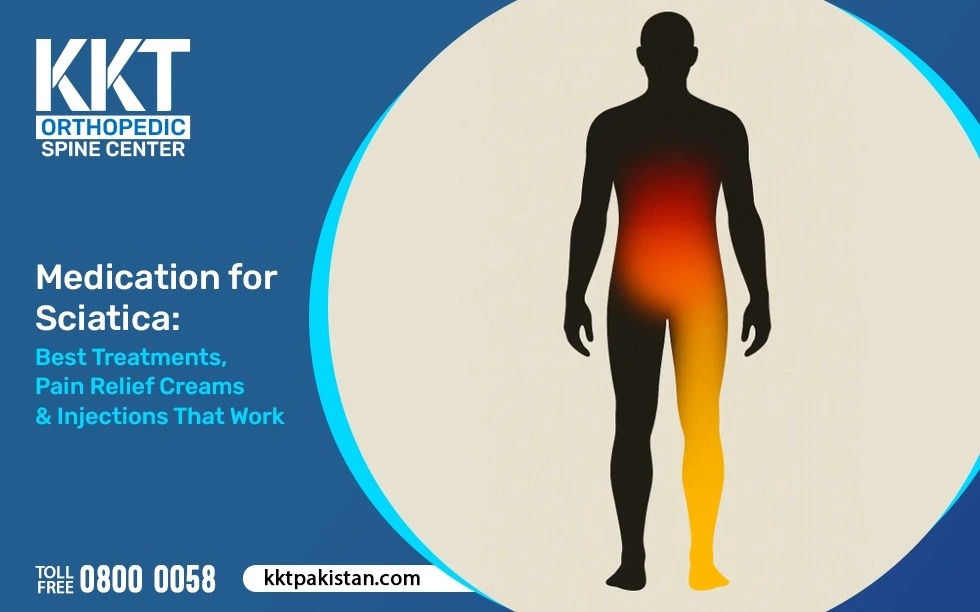
Sciatica pain appears as a sharp or burning sensation that travels along the sciatic nerve, often from the lower back through the hip and down the leg. It is usually caused by pressure on the nerve from a herniated disk or a bone spur, resulting in inflammation, pain, and sometimes numbness.
An effective sciatica pain treatment plan often includes medication, such as anti-inflammatory or muscle-relaxing drugs, which help reduce swelling and relieve pressure on the nerve root, providing significant relief and improving mobility during the healing process.
Complete Understanding of Sciatica Pain
Sciatica refers to the radiating pain that travels along the path of the sciatic nerve, which branches from your lower back through your hips and buttocks and down each leg. It is a symptom of an underlying medical condition, not a diagnosis itself. Understanding sciatica involves exploring its root causes, symptoms, risk factors, and the nerve’s pathway.
2.1 What is Sciatica?
Sciatica is not a standalone diagnosis but rather a set of symptoms resulting from compression or irritation of the sciatic nerve.
However, this compression most commonly originates in the lower spine, where nerve roots from the L4 to S3 vertebrae converge to form the sciatic nerve, which then runs through the hips and down each leg. The primary causes of this nerve interference include a herniated or slipped disc, a bone spur, or spinal stenosis.
2.2 Symptoms of Sciatica
Sciatica discomfort is typically felt along the sciatic nerve’s specific pathway. However, the primary symptoms of sciatica are pain radiating down the leg. Accompanying symptoms frequently include:
- Numbness
- A pins and needles sensation
- Muscle weakness
These sensations underscore why targeted treatment for sciatica pain in the hip and leg focuses not only on alleviating pain at its spinal source but also on addressing these radiating neurological symptoms to restore full function and sensation.
Medication for Sciatica: Overview
Medications are a cornerstone of initial sciatica treatment, primarily reducing pain, decreasing inflammation, and calming irritated nerve signals to provide symptomatic relief.
Moreover, the choice of sciatica treatment depends on the severity of pain, specific symptoms, and underlying cause.
From over-the-counter anti-inflammatories to prescription muscle relaxants and nerve pain medications, the goal is to manage discomfort effectively.
Types of Medication for Sciatica
A comprehensive treatment plan for sciatica often includes medication to manage pain, reduce inflammation, and facilitate rehabilitation. The choice of medication depends on the severity of symptoms, the underlying cause of nerve irritation, and the patient’s overall health. Medications are typically used in a stepwise approach, often alongside physical therapy and other conservative treatments.
Here is an overview of the primary categories of medications used to manage sciatica pain.
4.1 Non-Steroidal Anti-Inflammatory Drugs (NSAIDs)
When sciatica pain flares up, many people reach for an over-the-counter NSAID like ibuprofen (Advil, Motrin) or naproxen (Aleve) as a first step. These medications are popular because they tackle two problems at once: pain and inflammation. They work by blocking your body’s production of certain chemicals that cause swelling and soreness around the irritated nerve. This can ease the ache in your lower back and the sharp pain shooting down your leg.
It’s important to stick to the recommended dose and not use them for too long. Taking NSAIDs regularly over an extended period can sometimes lead to stomach issues or affect your heart health. Think of them as helpful for short-term relief while you work on longer-term solutions, like physical therapy.
4.2 Muscle Relaxants
When the sciatic nerve is irritated, the surrounding back muscles can tense and spasm, worsening overall discomfort. This is where muscle relaxants become a valuable component of treatment.
Medications such as cyclobenzaprine (Flexeril) and baclofen are commonly prescribed to help reduce these involuntary muscle spasms. By targeting the central nervous system, they promote muscle relaxation, which in turn can relieve secondary pain, ease stiffness, and improve mobility.
This allows patients to engage more effectively in physical therapy, a critical part of comprehensive sciatica nerve treatment. Because it can cause drowsiness, these medications are typically recommended for short-term use to help manage acute episodes of sciatica-related muscle spasm.
4.3 Nerve Pain Medications
For individuals experiencing severe, chronic, or persistent nerve pain from sciatica that does not adequately respond to other medications, a specialized class of drugs may be prescribed. These include medications such as pregabalin (Lyrica) and gabapentin (Neurontin), which are classified as anticonvulsants but are widely used to treat sciatica-related nerve pain.
They work by calming overactive nerve signals in the central nervous system, specifically targeting the abnormal firing of the irritated sciatic nerve that causes symptoms such as shooting pain, burning, and tingling. By modulating this nerve activity, they can provide significant relief from neuropathic symptoms, making them a crucial option for a targeted sciatica nerve treatment plan when pain is primarily neurogenic.
4.4 Corticosteroid Injections
If pills aren’t enough to control the pain, your doctor might suggest a more targeted approach. An epidural steroid injection is often the most effective treatment for sciatica, as it delivers a potent anti-inflammatory directly to the source of the irritation around the pinched nerve. This can quickly reduce severe swelling, offering significant relief from shooting leg pain, sometimes in just a couple of days.
Steroid injections can help reduce sciatica pain quickly, but that relief is usually temporary—often lasting just a few weeks or months. If used too frequently, these shots can also have downsides. They may weaken tissues near the spine or affect your blood sugar levels over time.
Because of this, they’re not meant to be a long-term fix. Instead, they’re used as a kind of bridge: they ease the pain just enough so you can get moving again with physical therapy or rehab exercises. The real, lasting recovery comes from the therapy itself, not from the shot alone.
4.5 Over-the-Counter Painkillers
For mild to moderate sciatica pain, over-the-counter painkillers can be used first. Acetaminophen (like Tylenol) can reduce pain but does not treat inflammation, which is often part of sciatica. These medicines may ease general discomfort but are usually less effective for sharp nerve pain.
If over-the-counter options do not help within a few days, if the pain worsens, or if there is leg weakness or numbness, it is important to see a doctor. A healthcare provider can recommend more potent pain relievers, anti-inflammatory medication, muscle relaxants, or other treatments to address the cause of sciatica.
Topical Sciatica Pain Treatment
Topical treatments offer a targeted, localized approach to managing the discomfort associated with sciatica. Applied directly to the skin over the painful area—such as the lower back, buttock, or back of the thigh—these products work by delivering active ingredients through the skin to the underlying tissues and nerve pathways.
Their primary advantage is the potential for direct pain relief with minimal systemic absorption, reducing the risk of side effects commonly associated with oral medications. Topical treatments can be a valuable part of a multifaceted management plan, especially for managing mild to moderate symptoms or supplementing other therapies.
5.1 Best Cream for Sciatica Pain
Topical creams and gels offer a focused way to ease sciatica pain with fewer body-wide side effects. When applied directly to the skin over the sore area on your back, hip, or leg, the medicine works right where you need it, calming inflammation or blocking pain signals locally.
Two of the most often suggested options are diclofenac gel and capsaicin cream. Diclofenac gel is a topical anti-inflammatory. Capsaicin cream, made from chili peppers, works differently—it gradually reduces the substance that carries pain messages to your brain, which can help dull that persistent nerve pain.
When searching for the best cream for nerve pain, these topicals are often considered a useful ointment for sciatica, particularly for mild to moderate symptoms or as an adjunct to oral medications. It is important to follow instructions carefully. Consult a doctor to ensure they are appropriate for your specific condition.
5.2 Oils and Balms for Nerve Pain Relief
Certain essential oils and balms help soothe sciatica discomfort. Many people find relief by using eucalyptus or peppermint oil for its cooling sensation, which can reduce inflammation and ease tight muscles and mild nerve aches.
So, which oil works best? It really comes down to what your body responds to. It’s important to remember that these oils offer temporary comfort and aren’t a cure for the nerve compression causing your sciatica. Think of them as a soothing part of a larger plan that should include professional medical advice to effectively treat nerve pain.
Prescription Medicines for Severe Sciatica
In cases of severe, debilitating sciatica pain that does not respond to first-line treatments like NSAIDs, muscle relaxants, or nerve pain medications, a doctor may, with extreme caution, consider a short-term prescription for strong painkillers for sciatica, such as opioids (e.g., tramadol or oxycodone).
These powerful medications are reserved for acute, severe episodes to provide temporary relief and are never intended as a long-term sciatica nerve treatment due to their significant risks.
Their use requires strict medical supervision due to the high potential for dependence, tolerance, and serious side effects, including dizziness, constipation, and respiratory depression. Prescription is always at the lowest effective dose for the shortest possible duration, closely monitored within a comprehensive treatment plan that prioritizes addressing the underlying cause of the nerve compression through therapies like physical therapy or surgical consultation.
Combining Medication with Other Sciatica Treatments
For lasting relief from sciatica, the best approach combines medication with hands-on therapies. Medication can reduce inflammation and ease pain during a flare-up, giving your body a chance to start healing.
To maintain this relief, it’s essential to address the root cause. This includes physiotherapy to strengthen the core and back muscles that support your spine, posture correction to reduce pressure on the nerve, and the use of heat to relax tight muscles.
Together, these methods work in tandem: medication eases immediate pain, while therapies target the underlying issue. The result is a stronger recovery, improved movement, and a lower risk of the pain returning compared to relying on medication alone.
Possible Side Effects & Safety Tips
To relieve sciatica symptoms without risking your health, it’s important to follow your doctor’s instructions closely. Take the medicine only as prescribed and for the recommended duration—using it longer or more often than advised can do more harm than good.
Be aware of possible side effects as well. Common pain relievers such as NSAIDs (like ibuprofen or naproxen), when used frequently or for long periods, may cause stomach irritation or bleeding, strain the kidneys, or increase heart-related risks. Steroid-based treatments can also have drawbacks if used over time, including bone weakness, weight gain, and raised blood sugar levels.
It is essential to stop medication and consult your doctor if you experience any side effects such as intense abdominal pain, black stools, chest pain, or signs of an allergic reaction. Furthermore, if your sciatica nerve pain treatment regimen is not providing adequate relief, or if symptoms worsen or are accompanied by new leg weakness or loss of bowel/bladder control, seek prompt medical attention to reassess your treatment plan.
Conclusion
Medication plays a key role in the initial management of sciatica by reducing inflammation, calming nerve activity, and easing muscle spasms. Common options include:
- NSAIDs for short-term pain and inflammation relief
- Muscle relaxants to reduce spasms
- Nerve pain medications like gabapentin or pregabalin for persistent neuropathic pain
In more severe cases, corticosteroid injections may provide temporary but significant relief by targeting inflammation at the nerve root. Over-the-counter pain relievers, topical creams, oils, and balms can also help manage mild to moderate symptoms.
For severe, disabling pain that does not respond to standard treatments, short-term use of prescription opioids may be considered under strict medical supervision. However, medication alone is not a long-term solution. The most effective sciatica treatment combines medications with physical therapy, posture correction, strengthening exercises, and heat therapy to address the underlying cause and prevent recurrence.
Proper use and safety are essential, as sciatica medications can have side effects ranging from stomach irritation to more serious complications. Patients should follow medical guidance closely and seek immediate care if symptoms worsen or if red flags, such as increasing weakness or loss of bowel or bladder control, are present.
To learn more about KKT treatment for sciatica pain, visit our website, consult our doctors, or schedule an appointment. You can also contact us at 0800-00-558
Frequently Asked Questions (FAQs)
What is the best medicine for sciatica?
Usually, doctors start with common anti-inflammatory drugs like ibuprofen or naproxen to reduce swelling. If you’re dealing with sharp, shooting nerve pain, they might recommend a medication like gabapentin instead.
What is the strongest drug for nerve pain?
For severe neuropathic pain, prescription medications like pregabalin (Lyrica) or, in extreme short-term cases under strict supervision, certain opioids may be considered the strongest options.
Can sciatica be cured with medicine?
No, medication doesn’t cure sciatica on its own. Pills and creams work by easing the pain and inflammation to help you manage the symptoms. To get lasting relief, you usually need to address the root problem—such as a herniated disc or muscle imbalance—through physical therapy, targeted exercises, or other treatments.
What ointment or cream is good for sciatica?
For targeted relief right where it hurts, many people find diclofenac gel helpful because it reduces inflammation. Another good option is capsaicin cream; it contains a compound from chili peppers that gradually dulls nerve pain signals.
Which oil is best for sciatica pain?
While not a medical treatment, some natural oils can provide temporary comfort. Peppermint oil offers a cooling sensation, and eucalyptus oil may help reduce inflammation. It’s very personal—what works for one person might not for another—and they’re best used for soothing support, not as a primary solution.