
Uneven Shoulders Sign of Scoliosis
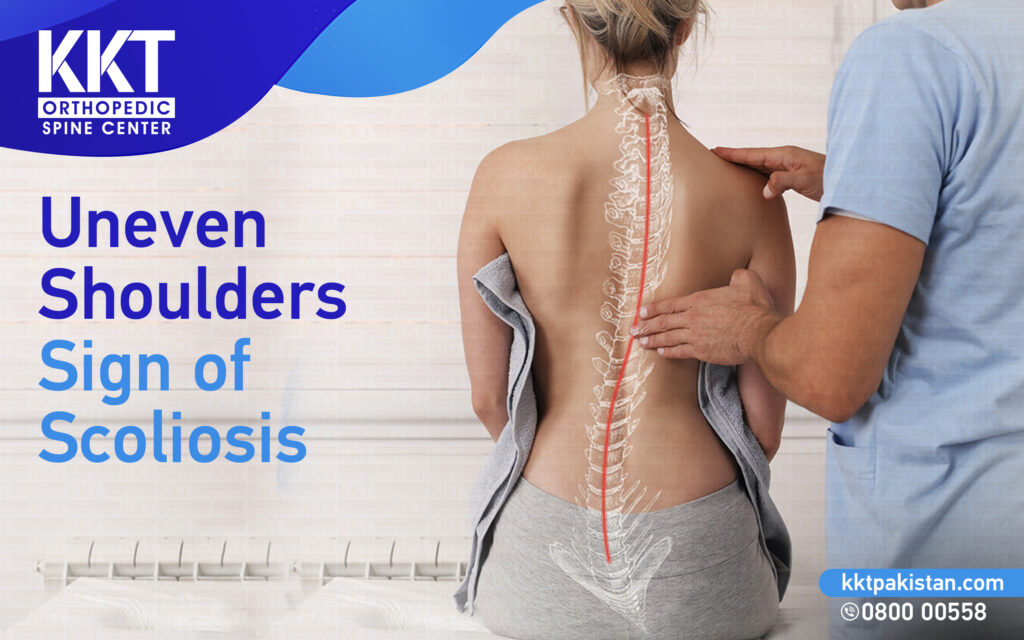
Uneven shoulders are a potential sign of scoliosis but, it could also be a condition of deformity of the spine. Scoliosis can affect the shoulders and it is one of the common symptoms of scoliosis. As the spine curves sideways in individuals with scoliosis, it can cause the shoulder blades to become uneven or asymmetrical. This can lead to one shoulder appearing higher than the other. Additionally, the uneven curvature of the spine can contribute to changes in the overall alignment of the upper body, including the shoulders. What Are The Symptoms of Scoliosis? Here are two major uneven shoulders symptoms: Asymmetry The most prominent sign of scoliosis is a visible curve or bend in the spine. This curve can be either “C”-shaped or “S”-shaped and is usually more evident when the person bends forward. It also causes asymmetry in the pelvis. Having one hip higher than the other while standing is an indication of the spine’s abnormal curvature. It causes one side of the pelvis to be raised. Back Pain or Discomfort: Some individuals with scoliosis may experience back pain or discomfort, particularly if the curvature of the spine is severe. This pain can result from the strain on muscles and ligaments caused by abnormal spinal curvature. Can You Live a Normal Life With Scoliosis? Many people with scoliosis can lead normal lives. The impact of scoliosis on daily life varies depending on the severity of the curvature and any associated symptoms. Mild cases might require occasional check-ups. It’s important to work closely with medical professionals to manage the condition and maintain an active lifestyle. How To Fix Uneven Shoulders Gladly, uneven shoulders can be fixed by some exercises. You must practice these exercises twice or thrice a week. These exercises strengthen our muscles and promote symmetrical alignment. Shoulder blade squeeze: Bring your arms alongside your body and squeeze your shoulder blades. Hold this position for a while and relax. Continue it for 30 seconds. Ear-to-shoulder stretch: sit with your head and back straight in line. Keep your shoulders still and tilt your head towards your shoulder. Massage opposite shoulder with hand. Repeat this stretch at least two times on each side. Shoulder raise: bring your arm to your sides. Stand straight and raise your shoulder up to your ears. Hold this position for a while and relax. Continue it for 30 seconds. Why choose KKT KKT provides treatment by restoring the natural balance of the spine with Quantum Acoustic Waves. The full congenital scoliosis treatment program also includes specifically prescribed dynamic spine mobilization exercises, which assist the KKT process noted above. KKT takes an active rather than passive approach to scoliosis treatment where traditional treatment allows patients to become dependent on their braces and potentially deteriorate into muscular atrophy and weakness, often leading to surgery. KKT allows for greater mobility, spinal corrections, and the time to regenerate unbalanced muscles, joints, and bones. KKT is paving the way to preventing its detrimental effects. If you see uneven shoulders symptoms then seek guidance from our experts call us at 0800-00-558 or Book an Appointment
Can adults develop Scoliosis?
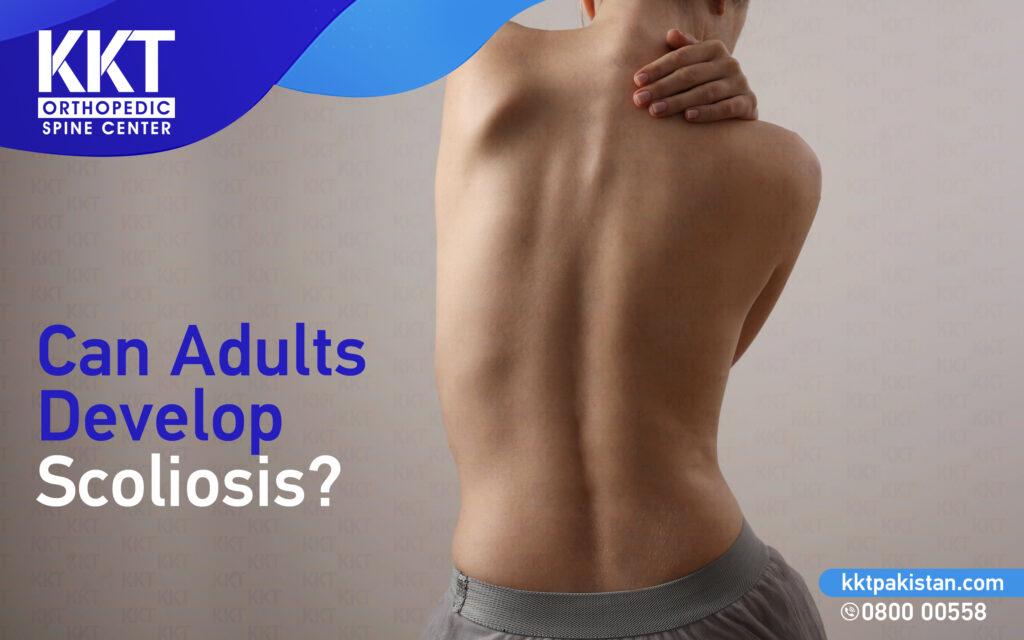
Scoliosis is the abnormal side-to-side curvature i.e., “S” or “C” shape of the spine. This spinal deformity can be caused due to several factors. Side-to-side curvature of the spine is not just associated with childhood; adults can also develop this condition. If as an adult you have developed it, there are chances that you might have had it in your teenage. This type falls under two categories: 1. Degenerative Scoliosis: Adult-onset scoliosis, also known as degenerative scoliosis is a side-to-side curvature of the spine. This adult spinal deformity can occur due to intervertebral and facet joint degeneration. These two (intervertebral and facet joints) are the two components of the spine aiding with movement. Aging is one of the major factors behind this spinal asymmetry and degeneration. Symptoms of degenerative scoliosis: Following are its typical signs and symptoms: Pain that develops gradually Pain that gets worse in the morning Dull ache or stiffness in the middle and lower back. Pain (shock-like) radiating down the leg from the buttock 2. Adult Idiopathic Scoliosis: One of the common adult scoliosis is idiopathic scoliosis. This type of spinal deformity might have started in the patient’s teenage and not progressed until adulthood. What causes scoliosis among adults? Idiopathic scoliosis doesn’t have any clear cause; the exact cause is still unknown. This type of spinal condition occurs commonly in the lumbar as well as thoracic regions of the spine. Physical signs: In teenagers, the following are the basic changes in appearance: Uneven shoulders i.e., shoulder asymmetry Rib hump Side to side spinal curvature Other symptoms of scoliosis in adults include the following: The two most common symptoms include lower backache and stiffness Shooting pain in the legs (particularly due to a pinched nerve) Numbness Fatigue Cramping Living with Scoliosis: A severe curvature can result in pain or even immobility. It can cause limitations in performing certain daily life activities as well. These day-to-day activities may also include walking, exercising, or lifting things. Not just physically but also affects the person mentally. Moderate scoliosis can also limit the ability of a person to perform activities like sports. For scoliosis in adults, exercises can also encourage healthy posture and flexibility. Scoliosis treatment in adults involves managing it with non-operatively methods. KKT Orthopedic Spine Center: KKT Orthopedic Spine Center offers a revolutionary non-surgical Canadian Technology treatment. With the primary focus on the diagnosis and treatment of underlying causes of spinal ailments. Book your appointment with KKT orthopedic consultants in Lahore and other metropolitan cities across Pakistan. Positive Impacts of KKT Treatment on Overall Health: KKT focuses on restoring body balance and reactivating the body’s self-healing process. This treatment triggers tissue regeneration to maintain the normal disc height. KKT Treatment strengthens the ligaments, joints, and muscles supporting the spine. It promotes effective brain function and maintains mobility. KKT treatment keeps your body in perfect alignment, maintaining the spine’s natural curvature. It helps the patients to improve their overall body posture. For booking an appointment click here or you can call us on the number given below. One of our representatives will guide you to the best of their ability. Phone: 0800-00-558
Musculoskeletal Disorders: An Overview
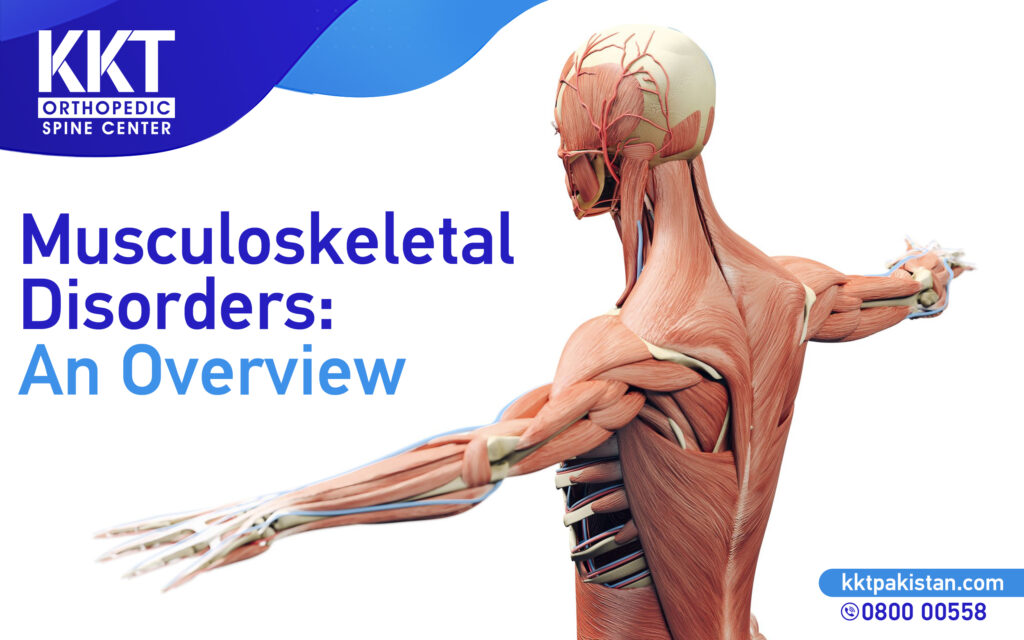
Musculoskeletal Disorders are the diseases related to muscles, joints, cartilage, spinal discs and nerves. Diseases related to spine and back are called spinal disorders. Brain controls the whole body via spinal cord. Spinal cord transmits messages all over our body. It is made up of several bones called vertebrae. Each vertebra is separated by a cartilage disc. Our spine is divided into four parts: Cervical (C) Thoracic (T) Lumber (L) Sacral (S) Musculoskeletal Disorders: – There are many known musculoskeletal and spinal disorders. For example: Sciatica Scoliosis Kyphosis Bulging Disc Fibromyalgia Osteoarthritis Herniated Disc Spinal Stenosis Rotator Cuff Injury Degenerative Disc Disease 1. Sciatica: Sciatica is pain caused due to the pressure or irritation to the sciatic nerve. This pain radiates from lower back and buttock down to the legs. The symptoms of sciatica are mostly result of lower back (L4-S1 vertebrae) disc disorder. It is a relatively common form of lower back and leg pain. In women, sciatica may also occur during pregnancy because of the weight of fetus pressuring the sciatic nerve while sitting. The most common cause of sciatica is herniated or slipped disc. Sciatica can also be a result of bone spurs and spinal stenosis in lumbar spine. Sciatic nerve is the longest nerve in the human body, extending from lower back to the legs. The five nerve roots (two from lumbar spine and three from sacrum) form the right and left sciatic nerve. Risk factors of Sciatica includes: Age: with time the discs deteriorate, developing bone spurs. Sitting for prolonged periods (sitting disease), puts pressure on the nerve. Diabetic Neuropathy leads to nerve damage in hands and legs causing sciatica. 2. Scoliosis: Scoliosis is an abnormal side-to-side curve of the spine (spinal deformity). This condition occurs when your spine is either in “S” or “C” shape (rotated sideways). People with scoliosis have uneven shoulders. In most cases, scoliosis is mild but can increase as the child grows. Severe curvature can also affect the lungs or coronary heart function. Children with mild scoliosis need to wear braces to stop the curve. Scoliosis can affect any part of the spine however it is commonly found in upper or lower spine. There are two major types of scoliosis; structural and non-structural. Structural Scoliosis has four types, including: – Idiopathic Scoliosis: Adolescence or earlier in childhood Congenital Scoliosis: Present at birth Degenerative Scoliosis: among adults due to degeneration Neuromuscular Scoliosis: Among people with neuromuscular disorders (like: muscular dystrophy or cerebral palsy) 3. Kyphosis: Kyphosis is a forward/outward rounding of the upper (thoracic) spine. Similarly, the severe inward curvature in neck or lower back are called lordosis. This rounding appears as a hump on the back. This deformity is also known as hunchback. Usually, patients need to exercise and wear braces to improve the posture. People with severe stage can also develop breathing problems. Severe spinal curve requires surgery to reduce symptoms. Naturally, spine contains curves that help you to balance. If these curves increase or decrease than the normal curvature, it’s difficult to stand straight. Natural curve of thoracic spine is between 20-45 degrees. A spinal curvature of more than 50 degrees is a sign of kyphosis. Major types of Kyphosis include: Postural Kyphosis: Bad posture and slouching stretches the muscles holding vertebrae. Hence pulling them out of their normal position. Congenital Kyphosis: Present at birth because spine doesn’t develop properly. Scheuermann’s Kyphosis: Vertebrae have a wedge shape causing the spine to look rounded. This type of kyphosis is usually diagnosed in teens and boys (more than girls). 4. Bulging Disc: – Our spine consists of vertebrae with intervertebral disc in between. It is one of the musculoskeletal disorders in which disc moves from its original position. It occurs when the spongy intervertebral disc is compressed and bulges out. Patients might have minor or no pain as it is not at the severity level i: e: – Herniation. Disc Bulge can also lead to numbness and weakness in legs. Age-related wear and tear can result in bulging discs as well. Spinal decompression in one of the treatment recommended by the doctor. In a bulging disc, the outer layer (annulus fibrosis) remains intact unlike in herniated disc. However even though the outer layer is intact, the bulge can still compress the nerve. Some of the Symptoms include: Symptoms include: Reduced Mobility in legs Pain in feet and thighs (not common) Difficulty in lifting things and walking Tingling in fingers, neck and shoulders Back pain as well as sciatica (if disc bulge is located in lumbar spine) 5. Fibromyalgia: Fibromyalgia (also referred as widespread pain) can be treated and managed, effectively. It is a condition which co exists with various other conditions. Fibromyalgia can be caused due to genetics, mental stress, surgery or any physical injury or trauma. Fibromyalgia is more common among women due to a hormone called, estrogen. Because of the high levels of estrogen, brain’s natural painkillers work more effectively during a pain-related situation. Due to a drop in the levels of estrogen, these pain killers don’t work as effectively. Symptoms of fibromyalgia often begins after a physical trauma or surgery. Primary symptoms include: Fatigue Problem in sleeping Pain all over the body Headaches specially migraines Risk factors of Fibromyalgia include: – Age: – Risk of getting Fibromyalgia increases as you get older. Rheumatoid Arthritis (RA): – People with RA are more likely to have Fibromyalgia. 6. Osteoarthritis: Osteoarthritis is one of the major forms of Arthritis. It is a result of breakdown of the cartilage in our joints and bones over time. Osteoarthritis majorly affects the joints that bear weight including hip joints, knee joints and spine. It can also affect any other joint in your body. Osteoarthritis often affects older and obese people. It is a degenerative joint disease. In men, osteoarthritis usually occurs before 45 years. On the other hand, in females it may occur after 55 years. Symptoms include: Stiffness Swelling Pain in the joints Loss of flexibility Joint pain and tenderness 7.
Music Soothes Your Scoliosis! Try These Songs
Scoliosis, well we all are familiar with this name and it never sounded cool. Scoliosis comes up with body structure that enhances your stress and makes you even more conscious about your looks. This ultimately leads to stress. The most prominent scoliosis symptom is the curved spine. If you wanna know the severe symptom then patients might face breathing issue. No worries, let us give you some entertaining advice. Listen to songs! How is that? Sounds funny na but that is actually quite relieving. The following is the interesting list, just look at it and try it anytime and anywhere. Qawwalis South Asian community is very much aware of qawwalis. These are the soulful versions of songs. Means you are going to get the depth. Depth of what actually? That’s the depth of peace. If you are into the this severe stress and worry, then qawwalis can help you a lot. Go for the notable name Nusrat Fateh Ali Khan. Happy by Pharrell Williams The title suggests that you are going to be real happy by listening to this song. It is all about saying bye-bye to your scoliosis stress and welcoming the new air of pleasure. Try it once, you will then love to hear it again and again. Yuhi Chala Chal by A.R. Rehman Bollywood is also at its peak in creating the delightful environment for everyone. If you are in agony, do not go for scoliosis surgery, listen to this song of A.R. Rehman. This artist has created his good reputation in the field of deep and meaningful songs. Yuhi Chala Chal is a song that defines the positive aspects of life. Hurt by Johnny Cash Sometimes the word ‘pain’ in the song lyrics can give you relaxation. You do not feel alone. You feel satisfied that there are lots of others in the same situation. The statements like ‘I wear this crown of thorns’ and ‘my empire of dirt’ can do wonders. Trance Music Putting yourself in light trance is never a bad idea. This sort of music takes you to a dreamy world and forget the your illness or problems for a while. Whenever you are alone at home or even tired of doing plenty of work, listen to this music and breath the fresh air of lightness. If nothing else works, do not look for more options because it means your scoliosis is at extremely worst level. Call the international Orthopedic Spine Center called KKT Pakistan and get some useful advice as well as non-surgical treatment. [/et_pb_tab][et_pb_tab title=”اردو” _builder_version=”3.0.95″ tab_font=”||||” body_font=”||||” body_font_size=”18″ body_font_size_tablet=”18″ body_font_size_phone=”18″ background_size=”initial” background_position=”top_left” background_repeat=”repeat” use_background_color_gradient=”off” background_color_gradient_start=”#2b87da” background_color_gradient_end=”#29c4a9″ background_color_gradient_type=”linear” background_color_gradient_direction=”180deg” background_color_gradient_direction_radial=”center” background_color_gradient_start_position=”0%” background_color_gradient_end_position=”100%” background_color_gradient_overlays_image=”off” parallax=”off” parallax_method=”on” background_blend=”normal” allow_player_pause=”off”] موسیقی آپ کے سکولیوسس کو ٹھیک کر سکتی ہے. ان گانوں کو سنیے! سکولیوسس. اس نام سے ہم سب واقف ہیں اور یہ نام سننے میں کبھی خوشگوار نہیں لگتا. سکولیوسس ایک ایسا مرض ہے جس سے آپ اپنی جسامت پہ زیادہ دھیان دینے لگ جاتے ہیں اور آپ کی پریشانی میں بھی اضافہ ہو جاتا ہے. اس سے آپ ذہنی دباؤ کا شکار ہو جاتے ہیں. ایک بہت عام سکولیوسس کی علامات ریڑھ کی ہڈی کا خم ہے. اگر یہ شدد اختیار کر لے تو سانس لینے میں بھی رکاوٹ بن سکتی ہے. لیکن آپ پریشان نہ ہوں. ہم آپ کو ایک دلچسپ مشورہ دیں گے. گانے سنیے. آپ شاید حیران ہو رہے ہوں گے لیکن یہ عمل آپ کے لیے آپ کے لئے بہت مفید ثابت ہو گا. مندرجہ ذیل کچھ گانوں کے نام ہیں. آپ ان کو کبھی بھی اور کسی بھی وقت سن سکتے ہیں. قوالی جنوبی ایشیا میں یہ بہت عام ہے. یہ ایک طرح کے روحانی گانے ہوتے ہیں اور یہ آپ کو سوچ کی گہرائی تک لے کر جاتے ہیں. ان کو سن کر آپ سکون حاصل کرتے ہیں. اگر آپ شدید درد یا پریشانی میں مبتلا ہیں تو یہ سنیے. فریل ولیامس کا ہیپی گانا اس گانے کا نام سن کر آپ اندازہ لگا لیں کہ یہ کتنا خوشگوار گانا ہے. اس سے آپ سکولیوسس کے درد سے وقتی طور پر آرام پا سکتے ہیں. اے.آر. رحمان کا یوں ہی چلا چل گانا بالی ووڈ کے گانے بہت دنیا بھر میں مشہور ہیں. اس لئے سرجری کروانے کی ضرورت نہیں بلکہ اے.آر. رحمان کا یوں ہی چلا چل گانا سن کر دیکھئے. آپ کو الفاظ کا اگر مطلب سمجھ آ جاۓ تو آپ سکون حاصل کریں گے. یہ زندگی کے خوشگوار لمحات کو بتاتا ہے. جانی کیش کا ہرٹ گانا اگر گانے میں درد کا لفظ ہو تو آپ کو سن کر اچھا لگتا ہے. اس سے آپ خود کو اکیلا نہیں محسوس کرتے. آپ کو یہ سن کر حوصلہ ہوتا ہے کہ بہت سے اور لوگ بھی درد میں مبتلا ہیں. ٹرانس موسیقی ٹرانس موسیقی سننے کا بھی اپنا مزہ ہے. یہ موسیقی سن کر آپ کسی اور دنیا میں چلے جاتے ہو اور درد کو تھوڑی دیر کے لئے بھول جاتے ہو. یہ سب بھی اگر آپ کے لئے فائدہ مند ثابت نہیں ہو رہا تو دیر نہ کیجئے اور بین الاقوامی مرکز کے.کے.ٹی سے رابطہ کیجئے. یھاں آپ کا علاج بغیر سرجری سے کیا جائے گا. [/et_pb_tab][/et_pb_tabs][et_pb_button admin_label=”Book Now” button_url=”https://kktpakistan.com/make-an-appointment/” button_text=”Book Now” button_alignment=”left” _builder_version=”3.0.105″ saved_tabs=”all” background_color=”#7EBEC5″ url_new_window=”off” background_layout=”light” custom_button=”off” button_icon_placement=”right” /][/et_pb_column][/et_pb_row][/et_pb_section]