
Cervical Health & Pain Management: Causes, Symptoms, Treatment, Prevention & Risk Factors

Over 30% of the world’s population experiences neck discomfort, and this is projected to rise to 50% by 2030. Neck pain isn’t just uncomfortable. It can disrupt your workday, disrupt your sleep, and even impact your mood. Whether you’re a teenager glued to your phone, a middle-aged professional battling desk posture, or a senior dealing with arthritis, neck pain doesn’t discriminate. The stubborn neck ache when you turn your head, and the sharp twinge that makes checking blind spots terrifying. However, this pain can be relieved if you act early. Simple fixes, home remedies, or medications help manage cervical pain. You must look for the red flags for cervical pain: pain after injury (car accident/fall), numbness/tingling down arms, headaches with blurred vision, and fever with neck stiffness. If you experience any of these symptoms, you must seek immediate medical help. Let’s explore further how to manage cervical pain and how to prevent this discomfort from recurring. Potential Causes of Neck Pain Neck pain can arise from various factors, from everyday activities to severe medical conditions. It is essential to understand the location, intensity, and duration of the symptoms, as these often provide valuable clues about the underlying cause of your discomfort, such as muscle strain, nerve compression, or spinal degeneration. This knowledge ultimately aids in cervical pain management and helps avoid potential triggers. While some causes are minor and resolve with rest, others may require medical intervention. Below is a closer examination of the causes of cervical pain: Muscle strain and tension are the most common causes, often triggered by poor posture, prolonged screen time, or awkward sleeping positions. Injuries and accidents, such as whiplash from car collisions, sports-related trauma, or falls, can also lead to acute or chronic neck discomfort. Structural issues, such as herniated discs, cervical spondylosis, or arthritis, contribute to pain by affecting the spine’s alignment and flexibility. Nerve compression, including pinched nerves or cervical radiculopathy, may cause sharp, radiating pain. Underlying diseases and infections, such as meningitis or rheumatoid arthritis, can manifest as neck stiffness or soreness. Lifestyle factors like chronic stress, lack of physical activity, and improper ergonomics play a significant role in persistent neck pain. Understanding these causes is the first step toward effective prevention and treatment. Types of Neck Pain: Understanding the Difference Neck pain can be categorized into several types based on its cause, duration, and characteristics. It may develop suddenly after an injury or emerge gradually from poor posture. It might feel like a dull ache or present as sharp, radiating nerve pain. The following are the types of neck pain. Acute neck pain or short-term discomfort typically lasts from a few days to weeks and often results from injuries, sudden movements, or muscle strain. Chronic neck pain that persists for three months or longer is frequently linked to underlying conditions such as arthritis, degenerative disc disease, or unresolved spinal issues. Mechanical neck pain is associated with movement, posture, or muscle tension, commonly caused by poor ergonomics, repetitive motions, or prolonged static positions. Radicular neck pain (cervical radiculopathy) occurs when a spinal nerve is compressed or inflamed. This leads to sharp, radiating pain that may extend into the shoulders, arms, or hands. Myofascial neck pain originates from trigger points or tight muscle knots in the neck and upper back, resulting in localized tenderness and discomfort. Recognizing these different types can help accurately diagnose and effectively manage neck pain. Recognizing Signs: Symptoms of Neck Pain Individuals experience different symptoms of cervical pain depending on the intensity of the condition. While some symptoms, such as stiffness or soreness, may seem minor, others, like radiating numbness or persistent headaches, could indicate more serious underlying issues. Recognizing these varied symptoms is crucial for effective cervical pain management. It is the first step toward finding the proper treatment approach and preventing long-term complications. Stiffness and limited range of motion Sharp or aching pain in the neck, shoulders, or upper back Headaches originating from neck tension Tingling, numbness, or weakness in the arms and hands Dizziness or balance issues associated with neck pain Increased pain after long periods of sitting or standing Treatment Approaches for Neck Pain There are numerous treatment approaches available to relieve neck pain. While acute neck pain often improves with conservative measures, such as rest and gentle stretching, chronic or severe cases may require a more comprehensive approach. From at-home remedies to professional interventions, today’s treatment options focus not just on pain relief but also on addressing root causes and preventing recurrence. Let’s explore the most effective evidence-based treatments to help you find lasting relief. A. Medication for Neck Pain Relief Neck pain can range from mild discomfort to debilitating stiffness, and medications often play a key role in managing symptoms. These are some effective pain relievers. Over-the-counter pain relievers (ibuprofen, acetaminophen) Muscle relaxants for severe muscle tension Corticosteroid injections for inflammation Prescription medications for chronic pain management B. Exercises for Neck Pain Relief While rest helps with acute neck pain, targeted exercises offer one of the most effective long-term solutions for relief and prevention. When done correctly, a combination of stretching, strengthening, and posture-focused movements can alleviate tension, improve mobility, and reduce the frequency of flare-ups. Neck stretches (chin tucks, side-to-side head turns) Strengthening exercises (shoulder blade squeezes, resistance band exercises) Yoga and Pilates for flexibility and posture correction C. At-Home Remedies for Neck Pain You don’t always need a doctor’s visit to find relief. Simple at-home remedies like heat and cold therapy, proper sleep positioning, and self-massage techniques can help ease tension, reduce inflammation, and restore mobility. Heat and cold therapy (hot packs for relaxation, ice packs for inflammation) Proper sleeping positions and supportive pillows Self-massage techniques and use of foam rollers D. Instant Relief Techniques Stiff neck making it hard to focus? Every time you turn your head, that sharp twinge doesn’t have to ruin your day. Before you reach for painkillers, try these fast-acting cervical pain management solutions that can bring relief in minutes: The 30-Second Fix: Gentle chin tucks to
Neck Pain Symptoms: A Step-by-Step Approach
Neck pain is discomfort that originates in the neck, and it can radiate down into the arms. There are several potential causes for neck pain, including disorders affecting the tissues, ligaments, and nerves. Individuals within the age group of 30-50 are at a higher risk of developing neck pain. Females and people with poor postural habits and those who maintain the same position for extended periods are at significant risk of developing neck pain. In some cases, neck pain may indicate serious health issues, such as a torn ligament, injury, or compressed nerve, which can result in chronic and persistent discomfort. Neck pain is a common issue among adults, particularly office workers, gamers, and those who binge-watch television. This condition can lead to sleep disturbances, stress, and anxiety. Anatomy of the Neck The neck region of the spine consists of seven vertebrae, separated by intervertebral discs. These discs enable the spine to move freely and act as shock absorbers during physical activities. The spinal column contains two openings, one on the left and one on the right, called foramina. These openings allow nerve roots to exit the spinal column, providing sensation and movement to all body parts. The entire spinal area is protected by spinal fluid and bony vertebrae, supported by strong ligaments and muscles. This structure allows for safe movement. Common Causes of Neck Pain Traumatic Causes: The neck is the most vulnerable part of the body when it comes to injuries, particularly from falls, accidents, or sports where the muscles and ligaments are forced to move beyond their normal range. If the neck bones are fractured, there is a risk of spinal cord damage as well. One common type of neck injury is whiplash, which occurs due to sudden jerking of the head, which can cause pain and limit the range of neck movement. Neck arthritis is common among individuals aged over 60, affecting approximately 85% of this population. There are different types of arthritis, including osteoarthritis, which impacts the spinal joints. This type of arthritis causes wear and tear in these joints, leading to friction between bones and cartilage. As a result, individuals may experience stiffness and pain in the neck and lower back. Additionally, rheumatoid arthritis is an autoimmune disorder that attacks the lining of the joints, causing inflammation. Lifestyle-related causes: Neck pain can be caused by several lifestyle factors, such as prolonged sitting in poor posture, straining your neck by looking down at your devices (often referred to as “tech neck”), or hunching your shoulders while sitting or standing. General Symptoms of Neck Pain Neck pain, or cervicalgia, is a common symptom of injuries or various medical conditions. Individuals often describe neck pain as: Persistent ache Sharp stabbing pain Shooting pain that travels from neck to shoulders Stiffness in your neck Dizziness or numbness in your arms and shoulders Difficulty in moving your neck Headache Localized Symptoms in the Neck Localized neck pain can manifest as discomfort, swelling, or the presence of lumps. It may feel like a dull ache, a sharp pain, or a burning sensation. Additional symptoms may include stiffness, headaches, and difficulty moving the neck. When the injured area is touched or pressed, a person might experience tenderness or sensitivity. Swelling or inflammation indicates a localized injury. Radiating Symptoms Cervical radiculopathy, often known as a pinched nerve, occurs when a nerve in the cervical region is compressed. This condition can result in pain that radiates into the shoulders, arms, and upper back. Additionally, it may cause numbness and weakness in the arms, shoulders, and hands. Symptoms may include: Pain extending to nearby areas, shoulders, arms, and upper back Tingling sensation in the fingers or hands Headache-Related Symptoms Cervicogenic headaches are characterized by pain that begins at the base of the skull and radiates towards the neck. This headache typically presents as a dull, aching sensation on one side of the head. Individuals may experience limited neck movement, and the headache may worsen with certain neck movements. The pain often starts at the back of the head and can extend behind the eyes. Migraine is a type of neurological headache that can cause severe pain. Neck pain is a common symptom of migraine and they begin at the same time. Stress, anxiety, and muscle strain often cause headaches that are accompanied by neck pain. These headaches typically result in throbbing pain on both sides of the head. Red Flags: When to Seek Immediate Medical Attention Neck pain is usually not caused by severe health conditions. But sometimes, neck pain can also be a red flag for several health issues, such as spinal structural problems, autoimmune disorders, and compressed nerves. For most neck pain, it is essential to try self-care. However, if your pain persists and is accompanied by specific symptoms, you must seek medical attention. Pain radiating down one arm. Numbness in arms and hands Dizziness Headaches Fever and chills Extreme instability: if you tilt your neck forward or backward and move farther than usual, it might indicate a fracture or torn ligaments. Diagnosing Neck Pain To diagnose neck pain, a doctor will ask questions about the symptoms experienced. They will then review the patient’s medical history and conduct a physical examination to assess the range of motion in the neck and identify the location of the pain. The doctor may recommend additional imaging tests for further evaluation, such as X-rays, MRIs, or CT scans. Other diagnostic tools that may be used include electromyography (EMG) and nerve conduction tests. This will help to analyze the patient’s condition, which is important in making a treatment plan. Treatment Options Based on Symptoms You can try the following treatment based on your symptoms of neck pain. Heat & Cold Therapy When you are suffering from neck pain, sometimes you want instant relief, and that’s where heat therapy comes in. A heat pack helps relieve constricted blood vessels and increases blood flow, which not only provides quick relief but also aids in the healing process. Cold
Neck Pain Preventions: How to Avoid Neck Pain in Everyday Life

Introduction to Neck Pain Preventions It isn’t easy to imagine a day without smartphones, tablets, and laptops in today’s digital age. While these devices have greatly enhanced our lives, they also have new health concerns. One such issue is “tech neck,” a term that refers to neck and spine problems caused by the excessive use of digital devices. The excessive use of handheld devices and laptops causes rounded shoulders, cervicogenic headaches, weakened muscles, and shoulder and neck pain. This blog will cover the aspects causing cervical issues and how we can prevent them. Daily Habits to Prevent Neck Pain Our little habits have a significant impact on our health. Moving, sitting, and walking impacts our posture and spinal health. It is essential to have posture awareness to overcome daily challenges that shift the spine’s natural curvature and disrupt spinal health. Posture Awareness Knowing how posture affects your neck is key to achieving lasting relief and maintaining neck pain preventions. Posture Awareness is an integral plan for preventing neck pain. Developing habits that keep your neck and spine properly aligned dramatically reduces the likelihood of discomfort. Simple changes, like adjusting your workspace or being mindful of your posture throughout the day, can make a significant difference. Here are tips to prevent neck pain Maintain a straight neck and stretch after every 30 minutes. While traveling, use a U-shaped pillow to prevent neck pain. At the office, use ergonomic furniture and take frequent breaks. Position your device’s screen at eye level. Regular Movement A sedentary lifestyle can lead to weakened muscles and joint problems. People who sit for prolonged periods tend to develop poor postural habits, which affect the spine’s alignment and cause neck and back pain. To fight the adverse effects of a sedentary lifestyle on your cervical health, it is crucial to incorporate movement and stretches into your daily routine. It helps in neck pain preventions. If you have a desk job, consider performing stretches after a while to keep your muscles engaged. Additionally, participate in various physical activities you enjoy, such as sports, hiking, running, cycling, or simply walking. Ergonomic Adjustments for a Pain-Free Neck Working for hours on computers or laptops can lead to serious issues, but there are ways to prevent cervical pain. To avoid neck pain at work, take these measures. Monitor position: The monitor on your computer should be at one arm’s length. It is recommended that the screen must be at eye level. This arrangement lessens tension by keeping your head and neck neutral. Chair Adjustment: Adjust the chair’s height to ensure your knees are at or slightly below hip level and your feet can rest flat on the floor or on a footrest. This posture helps relieve pressure on your neck and supports your back. Desk ergonomics: To reduce unnatural motions that might cause neck strain, keep regularly used items, such as the phone, notepads, and stationery, close at hand. Positioning of the Keyboard and Mouse: Position your keyboard and mouse near each other and at a height that allows your arms to be close to your body and your wrists to be straight. Use of Headsets: Use a headset if you frequently converse on the phone while simultaneously typing or writing. The Role of Technology in Neck Pain Looking down at handheld devices can strain your back and neck muscles. When people use mobile phones, they often remain in one position for extended periods, requiring more effort and placing additional pressure on their muscles. This extra pressure on the spine can lead to mid and lower back pain and headaches. There are several ways to minimize strain on your body that helps in neck pain preventions: Adjust your device to eye level Take frequent breaks Perform stretches Change your position and walk throughout the day Set an alarm to remind yourself to take regular breaks from apps. Sleep Hygiene for Neck Pain Prevention Choosing the right pillow height depends on your sleeping position and the pillow’s material. A pillow between 4 to 7 inches in height effectively supports your neck and shoulders. Generally, sleeping on your side is recommended, as it keeps your spine aligned and your muscles neutral. Waking up with neck pain is not the ideal way to start your day, as it can make it challenging to turn your head. There are several reasons for this discomfort that you should consider. Review the following factors and adjust your sleeping habits for a healthier, pain-free experience: Pillow height and quality: Ensure your pillow provides adequate support based on your preferred sleeping position. Sleeping position: Certain positions can strain your neck. Try to find a position that keeps your spine aligned. Using your phone while lying in bed can lead to poor neck posture and discomfort. Previous injuries or osteoarthritis: Past injuries or conditions like osteoarthritis can contribute to ongoing neck pain. P.S. Making minor adjustments in these areas can help you wake up feeling refreshed and pain-free. Managing Stress to Prevent Neck Pain Stress and anxiety can lead to chronic neck and shoulder pain. When you are stressed, your muscles contract in preparation for a fight or flight response. This reflex action causes your muscles to remain tense much longer than necessary, only relaxing when the perceived threat is gone. Although it can be challenging to manage stress in our busy lives, there are several techniques that can help reduce it: Mindfulness and meditation Deep breathing exercises Creating a work-life balance Nutrition and Hydration for Neck Health Proper nutrition is essential for neck health. Adequate hydration and a balanced diet support the body’s natural healing process. Promote overall neck health. A balanced, anti-inflammatory diet that includes fruits, vegetables, and healthy fats can reduce inflammation and support tissue repair. Additionally, staying hydrated helps nourish the spinal discs and cushion the vertebrae, reducing the risk of neck pain and stiffness. Prevention Tips for Specific Groups Incorporating exercise and maintaining a healthy lifestyle during college hours can be challenging. However, there are
Types of Neck Pain: Types You Should Know About
Neck pain is the 4th leading cause of disability, with a 30% prevalence rate. Adults are affected mainly by neck pain, with a percentage of 29% of men and 40% of women. Neck pain is commonly increasing these days, with a considerable impact on the personal and professional lives of individuals. What is Neck Pain? Neck pain or cervicalgia is a pain in or around the spine beneath the base of the skull. The neck is also known as the cervical spine. Injuries or other medical conditions can cause neck pain. Neck pain can be acute (lasting from a few days to six weeks) or chronic (longer than 3 weeks). You might have axial (pain in the neck region) or radicular (pain that shoots in the shoulders and arms). There are different types of neck pain based on the cause and location of the neck. Neck pain can hinder daily activities and reduce quality of life if left untreated. Mechanical Neck Pain The most common type of neck pain is mechanical neck pain. This pain is typically felt in the neck, arms, and shoulders. It often worsens when you maintain a position for an extended period. Additionally, it can restrict head movement and lead to muscle spasms. It can also cause headaches. Neck pain usually subsides after a few days; however, if it worsens, it may indicate a more severe condition. Mechanical neck pain is caused by straining neck muscles, which occurs with sustained posture or specific neck movements. It affects muscles, tendons, and spinal joints. Occupations that require repetitive neck movement or the same posture for an extended period, such as computer jobs, are at risk of mechanical neck pain. Radicular Neck Pain Cervical radiculopathy describes a compressed nerve in the neck region. Nerves in this area of the spine primarily control the sensation in your arms and shoulders; this is more likely where you will feel symptoms of cervical radiculopathy. The nerve root that runs through the cervical spine branches out of the cervical vertebrae. These nerves are compressive. Damage to these nerve roots can cause neck pain and diminish motor strength, reflexes, or sensation. Depending on where the damage is located, you might experience weakness in your arms and shoulders. A weak grip can lead to dropping objects, and this condition requires medical attention. One major cause of radicular neck pain is cervical spondylosis, which occurs due to age-related wear and tear that compresses the nerve roots in the spine. Another significant factor is a herniated disc, which is most commonly found in the lower back but can also affect the neck and cause pain. Upper Neck Pain The pain that starts at the base of the skull is mainly caused by stress or tension in the back muscles. Leaning forward or having poor head posture can strain neck muscles, which can cause pain. This is one of the types of neck pain which effects most of the population worldwide. However, upper neck pain can be debilitating, affecting our daily lives and overall well-being. Watch out for the reasons to prevent neck pain. The following are the causes of upper neck pain: Poor posture: Sitting or standing for extended periods with improper posture can strain the muscles and ligaments in the upper neck, leading to pain. Muscle tension: Stress and anxiety can cause neck and upper back muscles to tighten, resulting in pain and discomfort. Poor ergonomics: Incorrect positioning of the computer monitor, chair, or desk can strain the neck muscles, causing pain. Trauma: Injuries such as whiplash from a car accident or a sports-related impact can cause upper neck pain. Arthritis: Degenerative changes in the bones and joints of the neck can lead to pain and stiffness. Herniated disc: A bulging or ruptured disc in the upper spine can compress the nerves and cause pain in the neck. Migraines: Chronic or severe headaches can originate from the upper neck, causing intense pain. Lower Neck Pain Lower neck pain, also known as cervical pain, is characterized by discomfort or stiffness in the area between the base of the skull and the top of the shoulders. It can range from a mild annoyance to a debilitating condition significantly impacting one’s quality of life. Understanding its various causes is essential for better managing and alleviating lower neck pain. Muscle strain is one of the most common causes of lower neck pain. This occurs when the neck’s muscles and tendons are overstretched or torn due to sudden movements or excessive stress by poor posture, repetitive motions, and carrying heavy loads can all contribute to muscle strain in the lower neck. Emerging Treatments and Therapies Various alternative therapies and practices can provide relief from neck pain. While consulting with a healthcare professional before trying any new treatment is essential, you may find the following alternative therapies helpful. Acupuncture: This ancient Chinese practice involves inserting thin needles into specific points on the skin to restore balance and alleviate pain. Acupuncture effectively relieves neck pain by stimulating the release of endorphins and improving blood circulation. Chiropractic care: Chiropractors use spinal adjustments, joint manipulation, and other techniques to treat musculoskeletal issues, including neck pain. Through manipulation and manual therapy, chiropractors aim to reduce pain and restore normal function to the affected joints and muscles. Wearable Posture Correctors: These help correct posture and alleviate pain. KKT Treatment KKT treatment starts with a thorough analysis of the patient’s history and the duration of their pain. The doctor may conduct tests to identify the specific types of neck pain. After this assessment, they will create a treatment plan aimed at addressing the root cause of the pain. KKT Treatment corrects spine misalignment, reduces pressure on nerves, improves blood circulation, and relieves compressed nerves. Ultimately, it eradicates the root cause of pain and provides long-lasting relief from neck pain. To learn more about this treatment, give us a call or book your appointment with our consultants. Frequently Asked Questions What are the different types of neck pain?
Managing Neck Pain: Effective Treatment Strategies

Experiencing neck pain and finding a proper neck pain treatment to address this common issue is taking a toll these days. Neck pain is caused by excessive technology use today. Many of us scroll through social media while lying in bed, and then the next morning, we wake up with neck stiffness and pain. Neck pain has become a common issue in today’s society. It can arise from several factors, such as poor posture, slouching, sleeping awkwardly, and looking down at mobile devices for extended periods. Additionally, the aging process contributes to neck pain through degeneration and other related changes. About 30% of people experience neck pain, often unaware of the underlying cause. This discomfort and stiffness can be bothersome and irritating. Recognizing the cause of discomfort and seeking proper treatment is crucial for pain-free living. In this blog, we will learn about neck pain treatment. Medications & Topical Treatments A number of medications are available, including pain relievers, topical treatments, and prescription medicines, which are effective for managing mild to moderate pain. In case of severe pain, you must seek professional help. It is advisable to avoid taking painkillers frequently and to use medications only as directed by your healthcare provider. Over-the-Counter Medications Over-the-counter medications can manage mild to moderate discomfort. These medications reduce inflammation and alleviate pain, making them suitable for conditions like neck pain, muscle aches, or minor injuries. Nonsteroidal anti-inflammatory drugs (NSAIDs) such as ibuprofen and naproxen provide relief from pain. These are widely used and readily available. Acetaminophen is another option for pain relief and is gentler on the stomach, making it a go-to for those who may have sensitivity to NSAIDs. Prescription Medications If pain persists for an extended period, consult your healthcare provider. For chronic pain, seeking help from a healthcare provider may lead to prescription medications. Muscle relaxants can relieve muscle spasms that often accompany neck pain. They work by relaxing tight muscles and helping you regain mobility. Narcotic pain relievers are a practical option, but they have the potential to make a person dependent; therefore, they must be used under a doctor’s supervision only. Corticosteroids are prescribed to reduce inflammation and are particularly beneficial for issues related to severe inflammation and chronic pain. Topical Treatments Topical treatments can be very effective and easy to use. They can relieve pain by gently massaging topical creams to the affected area. These treatments involve applying a cream to the skin that penetrates deeply to relieve pain. Creams contain lidocaine and capsaicin, which provide relief from localized pain. They are applied gently to the skin and are helpful for those who avoid oral medications. Transdermal delivery systems, which act locally, offer focused relief and have minimal side effects. 4 Effective Treatments for Instant Relief People often seek quick relief from pain. There are ways to provide instant relief from neck pain due to poor posture or muscle stiffness. Additionally, you can exercise daily, which boosts your body for daily activities, and you can also prevent any neck discomfort simply by staying active. The following treatments can provide instant relief from mild to moderate neck pain. Heat Therapy When you are suffering from neck pain, sometimes you want instant relief, and that’s where heat therapy comes in. A heat pack helps relieve constricted blood vessels and increases blood flow, which not only provides quick relief but also aids in the healing process. Heat packs alleviate chronic muscle stiffness, while cold packs are generally used for acute injuries. Knowing which pack should be used for each condition is beneficial. Cold Therapy Cold therapy is an effective method for managing pain. It helps reduce inflammation resulting from injury and is especially beneficial in the initial stages of an injury. When applying a cold pack, taking a few precautions is important. First and foremost, do not apply the ice pack directly to the skin; instead, wrap it in a cloth before placing it on the affected area. Apply the cold pack for 15 to 20 minutes at a time. Gentle Stretches Stretches are simple movements that improve flexibility, blood circulation, and posture. Gentle stretches can work wonders for tight and stiff muscles, providing instant relief from pain. Quick neck stretches, such as slowly moving your head forward and then backward and tilting your head from side to side, can help relax tightened neck muscles. Moving slowly and staying within a comfortable range of motion is important to prevent injury. Self-Massage Techniques Massages help relieve tension and improve blood circulation. Simple massage techniques can soothe pain. Rubbing the base of the neck and gently kneading the painful area can provide comfort. Circular thumb massage: Place your thumb at the base of the skull, apply pressure, and move your thumb in a circular motion. Foam roller massage: To perform this technique, lie on the floor and position a foam roller at the base of your skull. Then, gently tilt your head to the right and left. This movement can help relax your muscles and alleviate discomfort. Treatment at Home Incorporating exercises into your daily routine can significantly alleviate neck pain. Exercises such as chin tucks, shoulder shrugs, and neck retractions can help you achieve long-lasting relief. Following are the treatments you can try at home to seek comfort from neck pain. Activity Modification Changing your routine has proven beneficial for many people. Specific tasks in our daily routines can often negatively affect our health and lead to deterioration. Therefore, one of the best remedies is to make a small change or adopt at least one healthy habit that can positively impact your well-being. Rest and recovery avoid activities that aggravate neck pain. Rest helps in healing the cause of pain. Ergonomic adjustments are often overlooked, but they can significantly impact neck discomfort. If you experience recurring neck pain, consider changing your workspace and habits. Use supportive pillows, choose a chair with proper back support, and adjust your computer’s height to eye level. These adjustments can significantly reduce strain on your
Causes of Neck Pain: Identifying the Causes of Your Discomfort

Have you ever woke up feeling tired, restless, or experiencing tension in your shoulders and neck? If so, you’re not alone; millions of people around the world share this experience. The reasons for this discomfort can vary depending on an individual’s lifestyle. In this blog, we will explore the root causes of this daily discomfort and discover ways to alleviate it. Common Causes and Risk Factors Common causes of neck pain are wear and tear of vertebrae, injuries, sleeping in a weird posture, and muscle tension from using handheld devices or a computer for an extended period. Less common causes are compressed nerves, slipped discs, and arthritis. However, here is why all these factors contribute to neck discomfort. Postural Problems: Poor posture strains the neck muscles and ligaments. For every inch you move your neck, you exert 4.5 kg of weight on it. Age-Related Issues: As people age, the neck vertebrae undergo wear and tear, which leads to various neck pain factors, including spinal stenosis, cervical spondylosis, and osteoarthritis. Injuries: Rear-end car collisions, falls, accidents and overuse of muscles are risk factors for developing neck pain. Repetitive Movements: Activities that involve neck strain can cause pain, swelling, and permanent tissue damage. Poor Posture and muscle strain Poor posture strains specific muscles and joints around the neck, forcing them to work harder, resulting in stiffness, fatigue, text neck, and musculoskeletal problems. You might experience unexplained neck and back pain, and the muscles around your neck and upper back may become tight. It negatively impacts your appearance with rounded shoulders, curved back, and forwarded neck, which disrupts the natural alignment of the backbone. Additionally, it can lead to inflammation, which can aggravate arthritis and result in neck discomfort. How Poor Posture Contributes to Neck Pain It is commonly believed that poor posture creates muscle imbalances. Lousy posture and the habit of slouching create pressure on shoulder muscles, leading to neck discomfort. Moreover, it can cause pinched nerves, resulting in a tingling sensation and numbness in your arms and hands. Poor posture also causes specific muscles to stretch and elongate over an extended period while others become tightened. This muscle stiffness makes it vulnerable to soft tissue injuries like sprains and strains. Cervical Herniated Disc When a cervical disc ruptures, allowing the soft jelly-like material to squeeze out, it is termed cervical disc herniation. The leading causes of cervical herniated discs include improper lifting and injury. Another major factor is aging. As people age, the water content in the discs decreases, and discs dry out, making them more vulnerable to damage and breakdown. The symptoms of cervical herniated discs are pain radiating towards the arms from the shoulder, numbness, and tingling sensation. Neck Arthritis and Degenerative Changes Neck arthritis, also known as cervical spondylosis, is a condition that arises from the wear and tear of the neck joints over time. It becomes more common as people age. While this condition does not typically lead to disability, it can result in compression of the spinal cord and nerve roots, which may cause discomfort or other symptoms. Limited range of motion Stiffness Discomfort during movement Difficulty in moving head Grating sound Other Major Factors Whiplash occurs due to sudden neck movement, often from rear-end car accidents, which strains the muscles and ligaments. It can also result from sports accidents, falls, or lifting injuries. Symptoms include neck stiffness, headaches, dizziness, and pain. Nerve compression occurs due to emotional and physical stress, leading to muscle tightness and discomfort. Factors such as anxiety, poor sleep, and long working hours contribute to stiffness and pain, especially following stressful events or periods. Sleep-related problems can arise from sleeping on the stomach or using improper pillows, which can strain the neck. Lack of support from pillows and sleeping in one position for too long contribute to these issues. Using supportive pillows and sleeping on your back or side is advisable. Preventive Measures If you are experiencing neck pain, it’s important to identify which activities or postures trigger the discomfort. Poor posture and ergonomics are often major contributors to neck pain. In some instances, underlying conditions may lead to chronic pain. For mild cases, home remedies can be effective. You can apply an ice or heat pack, take muscle relaxants, and ensure you rest your muscles. For chronic conditions, it’s advisable to seek professional help. Here are some tips to help manage and prevent neck pain: Improve Posture: Adopt correct sitting and standing positions to minimize strain on your neck. Exercise and Stretching: Engage in strengthening and stretching exercises to keep your neck flexible. Ergonomics: To better protect your neck, optimize your desk setup, choose appropriate pillows, and adjust your daily habits. Conclusion Neck pain has become increasingly common due to modern lifestyles that involve frequent use of handheld devices and desk jobs. In our pursuit of a better lifestyle, we often neglect our health, leading to poor posture that we later come to regret. It is important to pay attention to small details, such as our posture, as they can significantly affect our overall well-being. Maintaining a healthy diet is also essential for aging gracefully. Many of us tend to rely on painkillers whenever we experience discomfort; however, it is crucial to seek medical attention when we feel pain. Pain often indicates an underlying issue, and painkillers usually only mask the symptoms. To effectively address pain, it is important to identify and treat the root cause. Frequently Asked Questions (FAQs): What vitamin deficiency causes neck pain? A deficiency in vitamin D can lead to neck pain. How stress can aggravate neck pain? Stress causes neck muscles to tense, resulting in stiffness that constricts blood vessels and reduces blood flow, leading to neck discomfort. Does a bulging disc cause neck pain? Yes, a bulging disc causes neck pain. What are the top 5 reasons for neck pain? The five primary causes of neck pain are poor posture, strain, injury, a pinched nerve, and a herniated disc. What causes neck pain without injury?
Common signs of cervical stenosis
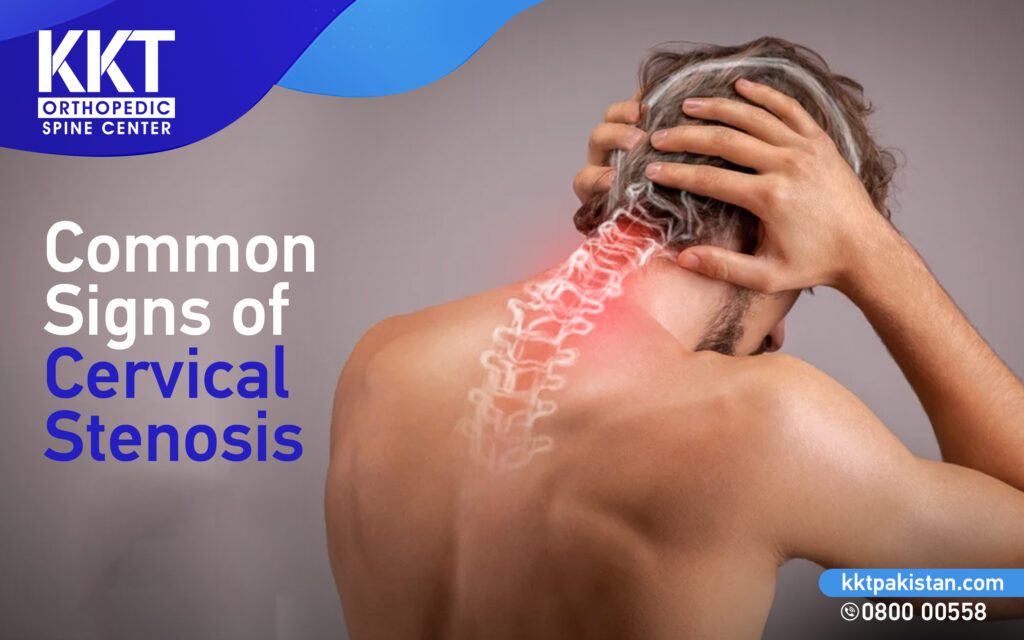
There are two types of spinal stenosis: cervical (neck) and lumbar (lower back) stenosis. Cervical stenosis is a common cause of neck pain. Bone spurs begin to grow on the vertebrae of the neck and joints of those vertebrae, causing the spinal canal passageway to narrow down and pressure the spinal cord and nerves. Causes Some people are born with less space in their spinal cord, and some get cervical stenosis as they age. The spinal disk becomes drier and begins to bulge. The bones and ligaments of the spine might thicken or grow more prominent due to arthritis or long-term inflammation. Other causes of spinal stenosis are as follows; Arthritis of the spine. Bone diseases such as Paget disease Defects or growths in the spine that were present from birth Narrow of the spinal canal that the person was born with A herniated or slipped disk, which often may have happened in the past. Injury that causes pressure on the nerve roots or the spinal cord. Tumors in the spine. Fracture or injury of a spinal bone. What are the signs and symptoms of cervical stenosis? Spine degeneration is the most common reason for cervical stenosis. As we age, our body loses water content, and our disks dry out and weaken. Ultimately, the following symptoms of cervical stenosis affect the disc space around the vertebrae. Tingling in arms and legs. Spasms in the leg make it challenging to walk. Numbness. Poor balance while walking. Problem urinating or having a bowel movement When to seek medical assistance? You should seek medical help when you feel severe signs of spinal stenosis, including: Numbness. Poor balance while walking. Problem: urinating or having a bowel movement. Worsening numbness and weakness of your limb. How is cervical stenosis diagnosed? A thorough investigation is necessary to determine the root cause of a neck problem, which involves an in-depth history review, a physical examination, and 3D spine X-rays. After conducting the history, taking physical assessment, and 3D X-rays, the doctor advises the number of sessions required to diagnose cervical stenosis. Make an appointment
How Stress Can Aggravate Neck Pain

Many people have suffered neck discomfort as a result of chronic stress. Our bodies are impacted by stress: it manifests itself in several forms headaches, and tight muscles. Long-term stress causes our body to hold tension in neck and shoulder muscles which leads to pain. The more stressed we are, the more tense our muscles become, and is likely, that we may experience pain and suffering. Can Stress and Anxiety Cause Neck Pain? Stress is a prevalent cause of neck pain. When we experience stress our shoulder muscles contract to prepare the body to run or fight the situation, it is a reflex action of the body also known as the “fight or flight” response. This response is designed to help you deal with physical threats, but our bodies act the same way even if it is not physical. If stress remains long-term, body muscles get tightened over a long period and it might lead to some serious issues like neck and shoulder pain or migraine. How To Relieve Neck Pain from Stress When the body recovers from active stress response then it removes stress from shoulder muscles and ultimately ends the pain. Our apprehensive behavior activates a fight or flight response once we are calm this reflex action would subside, and our body will return to our normal self. We can lessen the pain, by relaxing our mind and body: When To See A Doctor If your stress-related neck pain is not relieved by a week or two of self-care, you must seek medical attention or it can lead to some serious issues. Visit us at KKT orthopedic spine center to diagnose any underlying conditions. Why Choose KKT? KKT Pakistan offers a revolutionary non-surgical treatment for spine-related ailments, and back and neck pain. There are various positive impacts of KKT treatment on overall health. It primarily focuses on diagnosing the root cause of the pain and providing treatment accordingly via sound waves. So, say no to pain medications. Book your appointment.
Neck Pain Causes and Symptoms
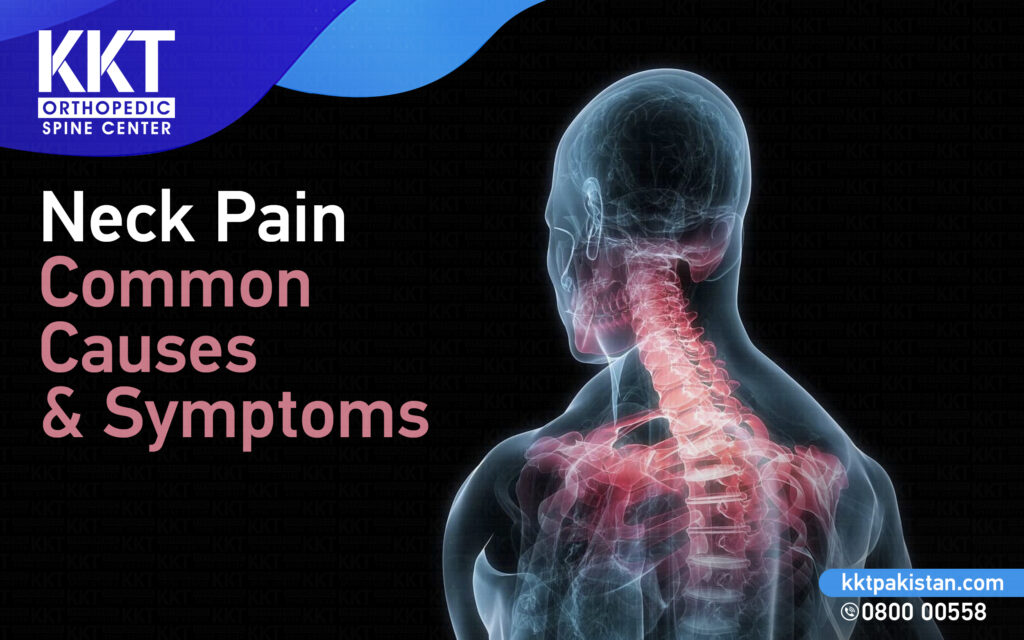
The neck supports the head and protects nerves; it can be at risk of injury and conditions that can restrict motion. About 10 to 20 percent of adults experience neck discomfort and the likelihood that someone may develop neck pain as they age. Leaning over a computer or smartphone, lousy posture, and chronic stress are common causes of neck pain. Although, In a small percentage, it may be the root of more severe issues like whiplash, osteoarthritis, and cervical spondylitis. Causes There are numerous causes of neck discomfort, and each one has unique symptoms that are covered below: Neck Strain A muscle pull or “pinched muscle” are other terms for neck strain—nerve damage when pressure is applied to the neck’s surrounding nerves. There are different causes as well, including emotional stress, aging, injury, and numbness are some of its signs. Whiplash Neck tissue deteriorates due to the whip-like thrusts in the backward and forward motions. Car accidents are the primary cause of it. Whiplash is seen as a relatively minor condition, but if left untreated, it can result in chronic pain or discomfort. Its signs include soreness or pain, exhaustion, and difficulty concentrating or remembering things. Disk Herniation The disk in the cervical spine can lead to degeneration or damage over time, causing severe pain. This can compress nearby nerves and cause pain. It is a common cause of back pain. Disc herniation symptoms are tingling in arms, numbness, and pain while moving the neck or near the shoulder blade. Arthritis Osteoarthritis or rheumatoid arthritis-related pain can affect the neck joints and cause inflammation. It gets worse with age and is chronic. The main symptoms of arthritis are stiffness, swelling, and decreased range of motion. Degenerative Conditions Conditions like degenerative discs can result in the gradual breakdown of structures in the neck, causing stiffness. i. Cervical Spondylosis Cervical spondylosis is wear and tear in the cervical spine that results in neck pain. Starting from middle age 30 the spine undergoes some wear and tear and causes neck pain. Symptoms are popping and grinding sounds in the neck, dizziness, and neck stiffness. ii. Cervical Stenosis When the neck area of the spine gets smaller, cervical stenosis occurs. The tightness can pinch the spinal cord and cause arm pain or tingling. Its symptoms include stiffness, pain, and numbness. Poor posture Our spine is not only affected while standing or sitting; sleeping in awkward positions also affects the spine and leads to neck pain. Sleeping in one position for extended hours can pressure nerves and cause neck pain the following day. Final thoughts Neck pain is associated with age-related wear and tear or poor posture. To prevent this pain, you must keep your head centered over your spine,, use good posture, keep yourself active, and take frequent breaks while using screens. You must seek medical care if neck pain results from an accident or if you experience: KKT Pakistan offers a revolutionary, non-invasive, non-surgical treatment for your neck pain. With its advanced technology, we provide scar-free, painless treatment. Book an appointment with us today.
Pinched Nerve Symptoms & Warning Signs
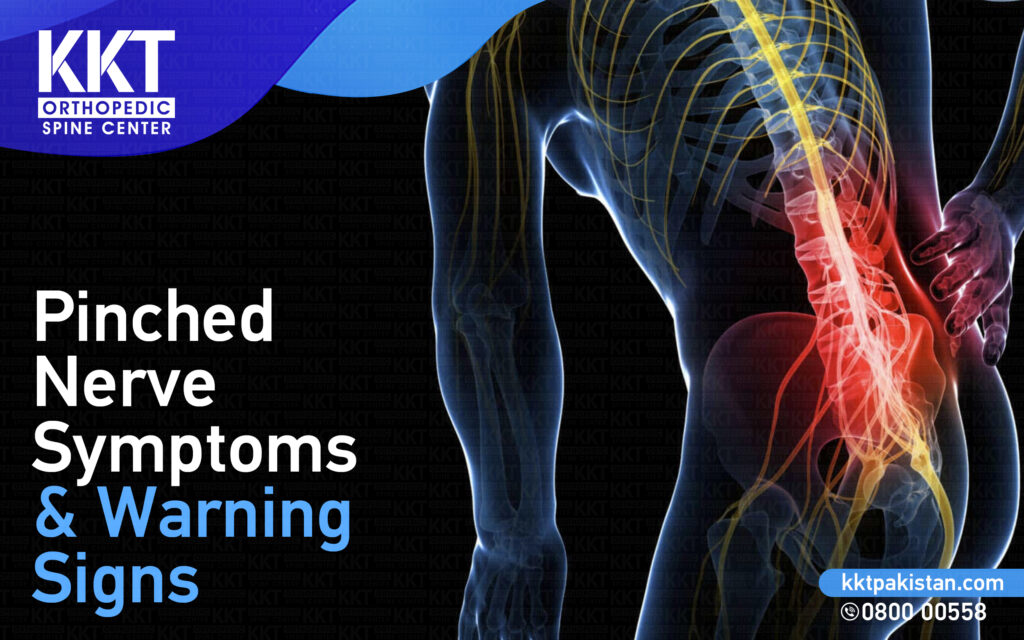
A pinched nerve is a condition that occurs when excessive pressure is applied to the nerve. This condition is not common, however, when they do occur, pinched nerves cause pain and discomfort. The damage to the nerves can be mild to severe and can cause numbness, weakness, and tingling. Mostly, pinched nerves can occur in the cervical spine (cervical radiculopathy), upper middle back, (thoracic radiculopathy), and lower back (lumbar radiculopathy). There are several common symptoms of pinched nerves, this article includes a detailed overview of pinched nerve symptoms and warning signs. Symptoms of Pinched Nerve: Where do you feel pain from a pinched nerve? Following are some of the common signs and symptoms of pinched nerve: 8 Warning Signs for Pinched Nerve: Following are some of the warning signs that people with pinched nerves might experience: i. Pain or burning sensation radiating down the leg: Sciatica is one of the symptoms of a pinched nerve in the lower back. This condition happens when the sciatic nerve root gets compressed at the point it exits the lower spine. And because the sciatic nerve extends from the lower back with branches going through the buttocks all the way down the leg, a number of symptoms are associated. If the sciatic nerve gets compressed, pain, burning sensation or dull ache can be felt along the pathway. ii. Pain extending from the cervical spine to the arm: Similar to sciatica, the pinched nerve can also occur in the cervical spine where the nerve gets compressed. This can cause pain to travel from the neck into the shoulders all the way down the arm. Irritation in the cervical nerve can also cause several symptoms along the nerve pathway. The symptoms of a pinched nerve in the neck and shoulders can be felt in the upper back, and arms, and even extend to the hands. iii. Change in pain when you move position: For many people suffering from the condition, it is not uncommon to feel a change (increase/decrease) in pain when changing position. For instance, in the case of sciatica, some people might feel pain reducing in certain positions, e.g., leaning forward in a sitting position. However, in some other positions, they might find the pain to be getting worse. iv. Leg weakness: A pinched nerve in the lower back causing sciatic pain can also lead to numbness and weakness in the leg as well. Common causes of Pinched Nerve: What triggers or causes pinched nerve? As mentioned earlier, compression/pressure on nerves can lead to a pinched nerve. There are several causes of pinched nerves including some of the following: Several factors can also increase the risk of a pinched nerve, some of them include: How to prevent Pinched Nerve? Following are some of the preventive measures for pinched nerves: When to seek medical attention? KKT Orthopedic Spine Center offers a revolutionary non-surgical and non-invasive treatment option for back pain. Here, we also provide herniated disc treatment, sciatic pain treatment, and various other spine-related conditions. For booking an appointment, click on the link below.