
Impact of cold weather on joints
Cold weather impacts joint health, which can worsen pre-existing conditions like arthritis and cause discomfort and restricted mobility for many people. Although joint pain is commonly associated with aging and wear and tear, recent studies suggest that environmental factors, including cold weather, play a significant role in the severity and frequency of these symptoms. Is cold exposure harmful to joints? Weather changes don’t affect everyone but can cause joint pain for people with arthritis or injuries. Here are some tips to keep your joints healthy during the cold. First, keep yourself hydrated by drinking plenty of water; you can set up a reminder if you are less thirsty in winter. Our body needs water even in cold weather. Also, try to dress warmly and keep yourself cozy. And finally, don’t forget to maintain an active lifestyle. Exposure to sunlight is highly effective in relieving joint pain. Try to be in sunlight if you get sun in winter. How does cold weather impact joints? Weather changes can lead to a drop in barometric pressure. This impact of cold weather on joint by slightly expanding tendons, muscles, and surrounding tissue. Due to the limited space in the body, this expansion can cause pain in the joints, especially for those who suffer from arthritis. Can cold cause swelling of joints? In cold weather, the fluid in our joints tends to thicken, making them harder and more painful to move. Additionally, lower air pressure may affect arthritic or injured joints that are susceptible to inflammation. This Impact of cold weather on joint can cause the soft tissue surrounding the joints to expand and swell, increasing discomfort. When to consult a doctor? Just because cold weather is here doesn’t mean it can stop you from having the freedom to move and a productive lifestyle. While your doctor outlines treatment options, it’s essential to find some preventive measures and remedies that work for your body. If you are in severe pain, you must see an orthopedic specialist. Depending on the pain, the doctor might give you a treatment plan to manage it. Make an appointment.
Can spine problems cause joint pain?
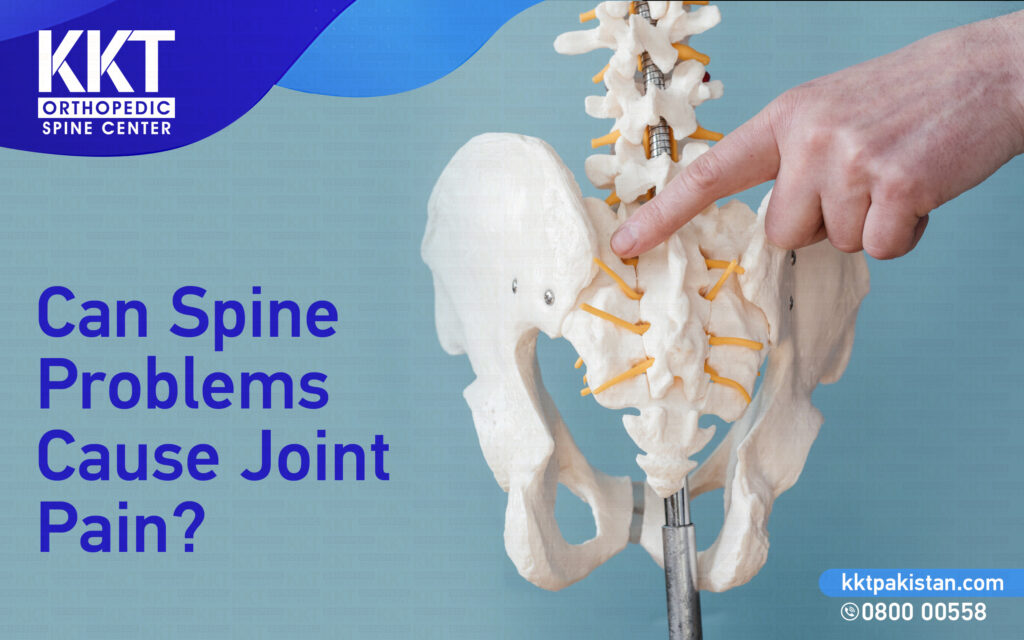
In this blog, we will get to know how spine problems are the reason for joint pain. Any misalignment in spinal facet joints can cause joint pain. Nerves join the spine and knees. The nerves surrounding the knees are attached to the nerves in your lower back. The disc between these vertebrae can bulge and compress nerves, further creating complications. How do you know if spinal misalignment causes joint pain? Swollen joints or morning stiffness can be signs of joint pain caused by conditions that affect nerves surrounding the lower back rather than muscle strain. When nerves in the second, third, and fourth vertebral levels become irritated or damaged, referred pain is often felt in the knee. Here are four indications that your knee pain is coming from your spinal condition: When you have knee pain and back pain. When you have tightness in your hamstring When you have hip or quadricep weakness Treatment and Management of knee pain If you are experiencing knee pain, it is essential to examine the actual cause before diagnosis. If you experience knee pain too often, it is not an issue but a symptom of a problem elsewhere. Here are some tips for pain management Correct posture: Keep your back, hips, and feet aligned to correct your posture. This will relieve pressure on the nerves and stabilize your lower body. Self-care: Keeping a healthy weight, being physically active, and performing daily stretches and exercises can reduce pain. KKT Treatment KKT Orthopedic Spine Treatment is a highly successful non-surgical way of treating pain. It gently and painlessly realigns the asymmetrical spine back to its normal position and thus eliminates the pains at various spine levels. If you have chronic knee pain, schedule an appointment with us to discuss a noninvasive treatment option.
How to Keep Your Knees Healthy
For an active, pain-free life, it is essential to keep your knees healthy. Some exercises and a little pinch of yoga in your daily routine are the best recipes to keep you healthy and increase the life span of your joints. In this blog, we will discuss some exercises to protect the knees. No doubt, with age, the joints undergo specific wear and tear, which is a sign of aging, but it doesn’t have to affect the movement or functioning of the knees. If you hear a clicking and popping sound and your knees swell, it is time to see a doctor. If you experience a clicking and popping sound but no pain or swelling, then there’s no need to worry about it. How to Strengthen Aging Knees While growing older, you must change your exercise routine and diet. It has a good impact on your overall health and truly benefits joint health. Here are a few exercises to protect your knees from further wear and tear: Physical Activities Physical activities strengthen your muscles and keep you active. Keep yourself involved in some exercises to protect your knees from the damage of wear and tear of joint tissues due to aging. Always warm up before engaging in any physical activity. It helps to prepare your joints and muscles for upcoming workouts. Use proper technique to avoid any unnecessary stress on your knees. If you opt for running or jogging, do it on alternate days and mix up your exercise routine to give your knees a break from repetitive stress. Maintain Healthy Weight Our knees bear the weight of our bodies. The knees will have four more pounds of force for every pound of weight. Moving upstairs or downstairs exerts even more pressure on the knees. But on the flip side, losing one pound will spare your knees from having to cope with four additional pounds of extra force. A healthy weight keeps your joints healthy. Maintaining a healthy weight and a balanced diet plays a vital role. A balanced diet is the key to promoting joint health. Omega-3 fatty acids benefit knee joints. They are found in fish, nuts, vegetables, seeds, whole grains, and berries. Regular Checkups Consult a medical checkup if you have a history of knee issues or concerns about the health of your knees. Regular checkups can aid in detecting checkups early and offering helpful advice. Because every person’s knees are unique, if you have any particular questions or medical disorders relating to your knees, it is best to seek the advice and recommendations of a healthcare professional. Why Choose KKT? KKT Orthopedic Spine Center offers a revolutionary non-medicinal and non-invasive treatment for knee pain. KKT treatment has various positive impacts on overall health. It primarily focuses on diagnosing the root cause of the pain and providing treatment accordingly via sound waves. Book Appointment
What are the most common causes of Knee Pain?
Being physically active is quite beneficial for the joints and your body. However, knee pain is very common and can affect people of all age groups. One of the common causes of knee pain is associated with the wear and tear of the joint over time or due to some injury to the knee. Wear and tear can happen due to day-to-day activities like exercises, walking, lifting or bending, etc. Knee pain and other joint-related problems are also common among athletes. No matter the knee pain reasons, it can be very exhausting and debilitating for the person affected. Common Causes of Knee Pain: Is your knee paining? Joint or knee pain affects several people due to various different reasons. As mentioned earlier, knee pain is most commonly caused due to aging, stress on the joints, or overtime wear & tear. Following are some of the most common knee joint pain causes: Arthritis: Osteoarthritis Rheumatoid Arthritis Knee Injuries 1. Arthritis: Arthritis is a joint-related condition causing swelling, inflammation, and tenderness in one or more joints. Stiffness and pain in the joints are common symptoms of arthritis. It is also one of the common knee swelling causes. There are two most common types of arthritis; Osteoarthritis (OA) & Rheumatoid Arthritis (RA). One of the common knee pain causes in young adults includes osteoarthritis. Yes, this type of arthritis can affect people at a young age. Moreover, being an athlete or obese also increases the risk of OA. – Osteoarthritis: It is one of the most common types of arthritis. OA occurs when the cartilage between the joints either breaks down or it wears off. This causes the bones to rub together within the joint. Some symptoms of OA include the following: Pain in the affected joints Stiffness in the joints is common after waking up or being inactive. Tenderness on applying light pressure to the joint/near it. Loss of flexibility & decreased range of motion. Swelling in the joint caused due to soft tissue inflammation. – Rheumatoid Arthritis: RA is an inflammatory and autoimmune disorder. Meaning, that by mistake healthy cells in your body are attacked by the immune system. This causes inflammation in the affected parts of the body. RA typically affects the joints, usually more than one joint. It commonly affects the joints in the knees, hands, and wrists. Common symptoms of RA include the following: Pain and stiffness in more than one joint Swelling and tenderness in more than one joint Fever Weight loss Weakness and fatigue 2. Knee injuries: Performing repetitive motions can cause overuse injuries and is one of the causes of knee pain. Sprains, strains, or tears are also included in injuries to the knee. Remedies for knee pain: Following are some of the common activities that can be done for the pain in the knee joint: Rest Use ice pads Elevate your knee Perform strengthening exercises Preventing knee pain: In order to prevent knee pain & injuries: Don’t perform exercises if you feel pain in your knees Gradually make your workout intense not suddenly. Before and after any physical activity, stretch your legs. When to seek medical attention? In case of pain, consult your nearest KKT Orthopedic Spine Center. We have 8 operational centers in major metropolitan cities across Pakistan (Lahore (Johar Town/DHA), Karachi, Rawalpindi, Faisalabad, and more). For booking an appointment, click on the link below:
Can vitamin D deficiency cause joint pain?
Except for calcium, vitamin D is a very essential nutrient for our bones. Not just this, it also plays a vital role in aiding in the absorption of calcium as well as phosphate into the bones. Therefore, making our bones stronger. In the human body, it exists in two forms, e.g., Vitamin D2 and Vitamin D3. Its deficiency can result in brittle, soft, and weak bones, moreover, in adults, this deficiency can result in osteoporosis. Various researches show that vitamin D and rheumatoid arthritis (RA) are linked. RA is a joint-related autoimmune disorder that causes, numbness, swelling, tingling, and joint pain. To support bone and joint health, calcium and vitamin D work together. When exposed to sunlight, the human body can produce its own vitamin D. It is also essential for various other things except for bone health, which includes: Muscle Function Brain Development Immune function Along with that, vitamins can also help manage several medical conditions like RA, Type 1 diabetes, and Multiple Sclerosis (MS). The most commonly affected areas by vitamin D deficiency include the lower back, pelvis, and hips. Low vitamin D symptoms: Fatigue Bone pain Joint pain Respiratory issues Pain and weakness in the muscles Seasonal Affective Disorder (SAD) – low mood Importance of Vitamin D for joints: It has various major roles and functions in our body, for instance: 1. Healthy bones and joints: Healthy and strong bones play a significant role in protecting you from several medical conditions including rickets. 2. Absorption of calcium: Calcium as well as vitamin D play an integral role in building bones as well as keeping them strong. Weaker bones can lead to medical conditions like osteoporosis increasing the risk of fractures. There are various sources of consuming vitamin D, it can be consumed orally or via sunshine. This is then converted into active form which then promotes calcium absorption. 3. Collaboration with parathyroid gland: Parathyroid glands keep the calcium levels at a normal or optimal range in the blood. These glands are continuously communicating with the skeleton, kidney, and gut. This is why there should be a sufficient amount of calcium and vitamin D so the calcium can be put to good use and absorbed. However, due to their insufficient intake, parathyroid glands borrow calcium from the skeleton to maintain an optimal range in the blood. Sources: It can be consumed or obtained via diet or is created by the body when exposed to sunlight. Some of its major sources include the following: Sunshine Diet: Beef liver Egg yolks Mushrooms Oily fish: tuna, salmon, etc. Fortified milk or breakfast cereals Vitamin D Supplements Can you have too much vitamin D? Levels of vitamin D can exceed the normal range if too many supplements are consumed. Unlike getting it directly from the sunlight, it’s not possible to get too much of it. Toxicity due to its increased amounts is quite rare however, hypercalcemia isn’t (excessive levels of calcium). Symptoms of hypercalcemia can include: Nausea Weakness Confusion Constipation Poor appetite Increased thirst Frequent urination Preventing joint pain: As explained above, the vitamin has a huge impact on the health of bones and joints. This is why its intake is extremely important. Following are two ways to avoid its deficiency: Sunlight exposure Consume vitamin D, rich food or supplements Below mentioned are some of the ways to reduce or prevent joint pain: Get a massage Physical therapy Exercise regularly Home remedies: Ice and heat therapy Follow a balanced and healthy diet When to seek medical attention? In case of increased joint or knee pain, consult a specialist. KKT Orthopedic Spine Center offers a Canadian Technology-based orthopedic treatment. This treatment primarily focuses on the diagnosis and treatment of patients suffering from spinal ailments, and chronic back, and neck pain. Find further details of KKT Pakistan here. Additionally, you can contact us through the below-given number. One of our representatives will guide you to the best of their ability. Phone: 0800-00-558 For booking an appointment, click on the link below.
5 Home Remedies for Knee Pain
For many people, knee pain is a very common part of their daily life activities. Several medical conditions can affect the knee joint with aging being the most common cause of all. Several short-term or long-term reasons can lead to knee pain. Some of the most common causes include the following: Obesity Arthritis Injection in the bones Injuries related to knee Stress, strain, or sprain on the ligaments Moreover, there are various medical conditions that increase the risk of knee pain including: Overweight Sports injuries Lack of muscle strength or flexibility Previous injury associated with knee joint What is Arthritis? Arthritis comprises almost 100 different types of joint-related conditions. There are two major types of arthritis; Rheumatoid Arthritis (RA) and Osteoarthritis (OA). The effects of rheumatoid arthritis are more than just joints. The joints most commonly affected by arthritis include the following: Hand Feet Knees Lower back Hip joint Shoulders Symptoms of Knee Pain: The pain’s severity and location determine the symptoms. Some of the common symptoms of knee pain include: Swelling and stiffness Redness and warmth to the touch Weakness or instability Popping or crunching noises Inability to fully straighten the knee Preventing Knee pain: Preventing this condition is not always possible however, the pain can be managed by adapting to some practices. Various home care practices can help with warding off the knee pain associated with injuries. Some of the simple precautionary measures include: Maintain a balanced diet and a healthy weight Perform low-impact exercises Wear shoes that ensure proper leg alignment and maintain balance Walk or swim Home remedies for knee pain: The extent of damage and pain determines the knee pain treatment. However, there are some remedies and ways for knee pain relief at home. These include: 1. Physical activities: According to Arthritis Foundation, research shows that people with osteoarthritis should perform exercises. The most non-drug and effective treatment for osteoarthritis patients is exercise. It helps the patients with pain (reduction) and movement (improved). 2. Strengthening exercises: A physical therapist is one who can better identify what exercises the patient can/can’t perform. However, there are some exercises and ways for strengthening the muscles for instance: Perform one-leg raises: straighten your leg while sitting or lying down. Perform step-ups: place one foot on the step, then the second, and then step down again. Repeat this. Standing hamstring curls: stand straight, knees inches apart, lift one heel above keeping thighs aligned with knees at 90 degrees. 3. Maintaining proper posture and support: Following are some ways to prevent any strain due to improper posture: Avoid sitting on couches that you can “sink” into Wear comfortable and supportive shoes Don’t sit for too long, move! Sitting in the same position for prolonged time periods can result in stiff joints. 4. Maintaining a healthy weight and diet: Excessive weight causes inflammation in the body which affects the knees. Moreover, extra weight also puts more pressure on the joints which is why maintaining a healthy weight can reduce long-term knee pain. The Arthritis Foundation recommends a Mediterranean diet for regulating inflammation and osteoarthritis. 5. Practicing P.R.I.C.E: Protection, rest, ice, compression, and elevation (P.R.I.C.E.) can help relieve mild knee pain. Protection refers to taking measures to protect the knee from any further injuries. Rest reduces the risk of further injury giving the knee tissues time to heal. However, stopping all physical activities at once isn’t beneficial, as it can result in stiffness. Ice therapy can help reduce inflammation and swelling. However, do not put ice directly on the skin, wrap it in a cloth then apply. Perform ice therapy for about 15 to 20 minutes, multiple times a day. Compression for the pain can be placed via knee support. But please note to keep the bandage firm not tight. Elevation refers to keeping the leg raised. This helps and encourages blood circulation and reduction in swelling. In an ideal situation, the knee should be above the heart. When to get medical attention? Knee pain due to a sudden injury in an accident or fall requires immediate medical attention. However, if the knee pain persists for a longer period, worsens, and interferes with daily activities, you should seek medical attention. Book your appointment with highly qualified KKT Orthopedic Consultants in Lahore, Karachi, and other operational KKT centers across Pakistan. For appointment booking, get in touch with us through our patient care line. Phone: 0800-00-558 Or click on the link below.
Exercises for Pain Relief from Osteoarthritis:
Overview: Osteoarthritis is one of the most common types of arthritis. The joints most affected by osteoarthritis include hands, hips, knees, and spine. Osteoarthritis affects millions of people worldwide. Exercises help in improving movement, joint strength, and flexibility. According to the Arthritis Foundation, exercises and physical activities play an important role in managing osteoarthritis. It helps reduce pain and improve mobility among osteoarthritis patients. Exercises also help maintain a normal healthy weight. Extra weight can put pressure and stress on your joints, knees, and hips. Exercises for osteoarthritis are very effective and beneficial. For an osteoarthritis patient, exercises can be a challenge. Which why it is recommended to consult a specialist first. Experienced physiotherapists provide suitable exercises taking your osteoarthritis stage under consideration. Best exercises for patients with osteoarthritis should include workouts to improve flexibility and muscle strength. Following are some exercises for osteoarthritis pain relief: Exercises for Osteoarthritis: Following are some of the different types of exercises for pain relief from osteoarthritis. Consult a specialist for exercising with osteoarthritis. Warm-up Exercises: Below are some simple exercises to warm up for osteoarthritis: Side bends While standing, follow the below-mentioned steps: Put both hands on your hips From your waist, bend on the one side Come back to your initial position Repeat the same stretch on the other side. Shoulder shrugs Keep your back straight and follow the below-mentioned steps: Raise your shoulders towards your ears Then lower them and repeat Torso rotations Follow the below-mentioned steps Stand straight with your feet at shoulder width Twist your upper body to your right side as far as you easily can Then rotate back to the center and repeat the same stretch on the left side. Strengthening Exercises: These exercises help strengthen your muscles which ultimately support your joints. Knee extensions You can perform this exercise while sitting on a chair. Sit on a chair while keeping your knee on slightly at the end of the chair Gently extend your leg out forward, straightening the leg. Then bend your knee back to the initial posture past 90 degrees (if easily possible) Repeat the same exercise on the other leg. Do this movement about 20 times. Lying leg lifts This exercise can be performed while lying on the floor or bed. Firstly, lie straight on the bed or floor keeping your knees bent and feet flat. Then keep your legs straight and extended Gently lift your leg up past 45 degrees, involving the muscles of the front thigh Maintain the position for a while Slowly bring your leg down and repeat the same on the other leg. Repeat this movement about 20 times. Completing 3 sets. Range-of-motion Exercises: These exercises help ease the stiffness and improve the range of motion of your joints. Double hip rotation Follow the following steps Lie straight on the floor knees bent and feet flat. Keep your shoulder flat on the surface as well. Slowly rotate your knees towards the right side onto the floor Hold the position for about 25-30 seconds. Slowly come back to the initial position Repeat the same on the left side Aerobic Exercises: These exercises are low impact and gentle exercises. they help strengthen your heart and lungs. Walking It’s just walking, right? Walking comes with a lot of benefits. Top of the list would be that walking improves the overall circulation. It also lowers our risk of fractures and strengthens the muscle. Swimming Aquatic exercises are also an ideal choice for someone who just started exercising. The buoyancy of water puts lesser pressure on the joints and provides resistance to the muscles. Pool exercises are very beneficial for people with osteoarthritis. Conclusion: For patients with osteoarthritis, certain physical exercises can be tricky. This is why one should consult a specialist first. You can have a detailed overview of the tips for exercising with osteoarthritis here. KKT Orthopedic Spine Center offers a revolutionary, non-surgical Canadian Technology treatment. The primary focus of KKT Treatment is to diagnose and treat patients suffering from spinal ailments. KKT treatment has a 93% of success rate with no known major side effects. For further details, you can get in touch with us through our patient-care line. One of our representatives will guide you to the best of their ability. Phone: 0800-00-558
Knee Arthritis: Exercises to Avoid
Overview: Knee pain is a common complaint among people of all ages. With osteoarthritis knee exercises or physical activity should be a part of your life routine. There are various exercises that can help improve the pain. But with knee arthritis, various exercises should also be avoided. Low impact exercises are beneficial but some exercises can put a strain on your joints. Hence, worsening the condition. In order to safely exercise for arthritic knee, seek the guidance of an experienced physiotherapist. This article consists of a number of knee exercises to avoid. Knee Arthritis: Exercises to Avoid! What exercises are bad for the arthritic knee? Any type of exercise that puts excessive pressure on your joints can increase inflammation. Following are some osteoarthritis exercises to avoid: Deep Lunge Weightlifting Deep Squats or jump squats Including any movements that involve turning directions quickly Deep Lunge: Lunges play an important role in strengthening your legs and hips. But if practiced incorrectly, they can result in pain. The deep lunge is basically a single-leg squat that can put excessive stress on your knees. However, with knee arthritis maintaining is a proper posture is difficult. If done incorrectly, it can damage the knee cartilage. Weightlifting: For strengthening exercises sometimes weightlifting is involved. But you shouldn’t practice it without professional supervision. As they can put a strain on your joints, or knees. Deep Squats or Jump Squat: Squats including both deep and jump squats can be useful for various people. But when it comes to knee arthritis patients, they can be really harmful. They exert excessive pressure on the knee and can result in a tear. Conclusion: Physical activity and stretching exercises for osteoarthritis can be beneficial and are essential for joint and bone health as well as for arthritis patients. But exercises that involve over-use of joints or quick turning should be avoided. If you have been diagnosed with arthritis, consult a specialist. If you want to learn more about tips for exercising with arthritis, click here. KKT Pakistan offers a revolutionary non-surgical treatment for the victims of spinal ailments, arthritis, back, and neck problems. If you feel your pain worsening, book an appointment with KKT’s orthopedic surgeons in Lahore, Karachi, and other metropolitan cities across Pakistan. KKT also has 20 centers worldwide. Want to learn more? You can also get in touch with us through our patient care line. Phone: 0800-00-558
Ways to manage Rheumatoid Arthritis (RA)
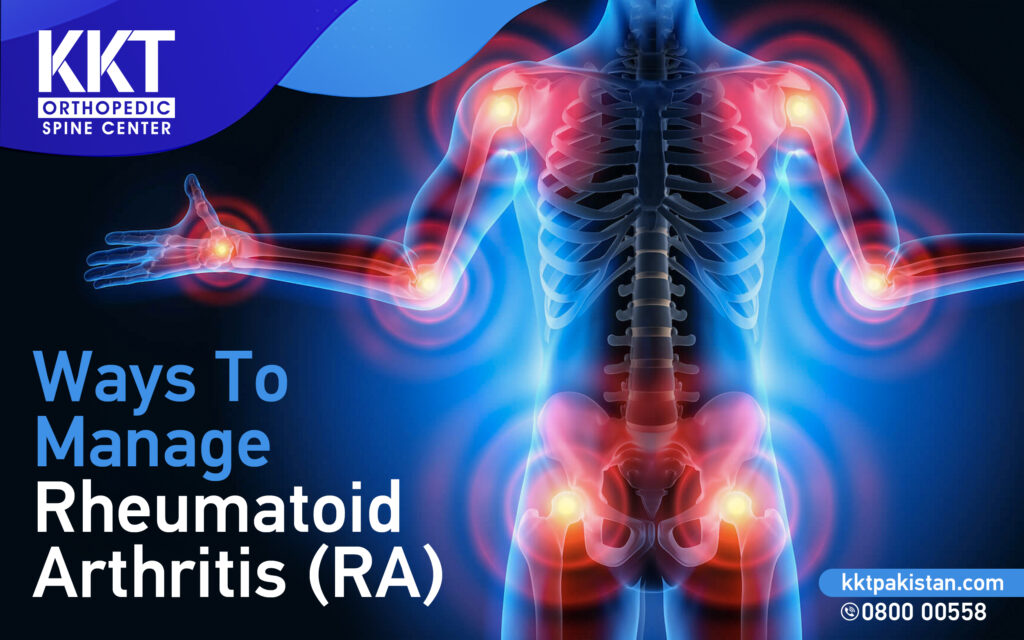
Overview: Rheumatoid arthritis is one of most common types of arthritis. RA is an autoimmune disorder, in which your immune system attacks itself (by mistake). This causes inflammation in the affected joints causing damage. Rheumatoid arthritis affects more than one joint at a time. For instance, both wrists or both knees. Commonly affected joints include, wrists, hands, ankles and knees. This joint related disease affects your daily activities. However, RA can be managed by making changes in your daily life. This blog contains some ways to manage rheumatoid arthritis. Hence, increasing quality of life. Signs and Symptoms of Rheumatoid Arthritis: Symptoms with RA can get worse over time. Some of the common symptoms include: Weakness and weight loss Signs in both affected joints Pain & stiffness in the affected joints Swelling and inflammation in more than one joint Some people also experience symptoms of RA that aren’t related to joints. Risk Factors for Rheumatoid Arthritis include: According to various researchers, there are many factors to determine the risk of RA in a person. These risk factors include: Age: Middle-aged people are most likely to develop RA Gender: Compared to men, women are more likely to have RA . Obesity: Excess weight increases the risk of RA Genetics or family history: Specific genes and/inherited genes increase the risk of RA. Ways to manage Rheumatoid Arthritis: However, RA can be managed by making changes in your daily life. Here are some ways to manage rheumatoid arthritis (RA). Heat therapy Quit smoking Physical activities Eat a balanced diet Improve your sleep Maintain a proper weight Heat Therapy: Heat increases the blood flow in the affected part and relaxes the muscles. Therefore, helps ease your pain. Quit smoking: Smoking can cause various health related problems. Researches have shown smoking to be a risk factor of developing RA. Smoking also worsens RA symptoms. Physical Activities: Being physically activities strengthens and increases mobility. Doing gentle exercises strengthens your joint muscles. Improve your sleep routines: Researches show that poor sleep worsens your pain and inflammation. Poor sleep increases the level of stress hormones in your body. Hence, increased flares. Besides this, sleep deprivation increases the pain severity. Maintain a proper weight: Excess weight can cause various problems for people with RA. It put excess stress and pressure on the joints. Which is why it’s very important to maintain a healthy weight. Consult a specialist in order to make healthy changes and making a dietary plan. When to seek medical attention: Rheumatoid Arthritis (RA) is one of an autoimmune disease. In case of increased pain in joints and muscles, seek medical attention. KKT Pakistan offers non-surgical treatment for the victims of spinal ailments, having 8 operational centers across Pakistan. KKT Pakistan has competent orthopedic surgeons in Lahore, Karachi, Rawalpindi, Peshawar, Faisalabad, Multan and Hyderabad. In case of any inconvenience, book an appointment with your nearest center. For further information, you can contact us through the below given number, and one of our representatives will guide you to the best of their ability. Phone: 0800-00-558 Phone: 0348-1112558