
Best Medicines for Different Types of Back Pain
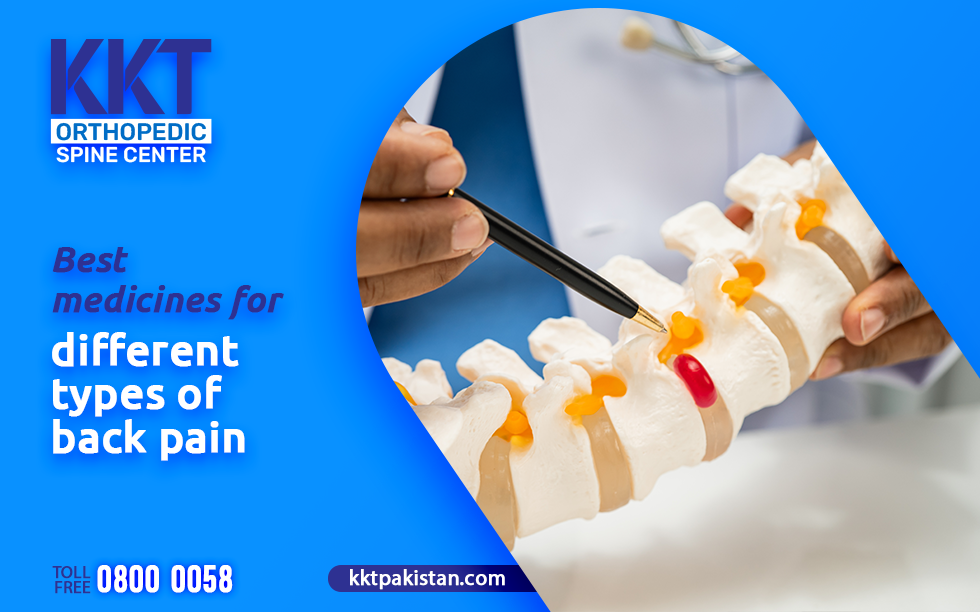
Understanding Back Pain Back pain affects more than 80% of people worldwide. About 61% of them use strong back pain killers for instant relief of back pain. Understanding the types of back pain helps you choose the proper treatment and prevent long-term issues. What are the different types of back pain? Back pain is categorized by duration, cause, and location. Acute pain lasts for six weeks, and chronic pain lasts longer than 12 weeks. The 5 Types of Back Pain Back pain is highly individual, but it often falls into five broad categories: acute or chronic, mechanical or inflammatory, or nerve-related. For a deeper dive into specific conditions such as herniated discs, sciatica, and spinal stenosis, explore our detailed guide on Types of Back Pain. 7 Back Pain Conditions That Mainly Affect Women Back pain is a common problem in every gender, but more often women complain about this pain. However, fluctuations in estrogen and relaxin can affect pain perception. Moreover, the physical demands of pregnancy and childbirth place significant strain on the back and pelvis. Additionally, several gynecological issues manifest as persistent back pain. Sudden Lower Back Pain in Women Sudden lower back pain comes from ongoing hormonal changes, such as: Lower Back and Groin Pain in Women This type of pain is associated with pelvic and joint pain. Women Suffer from Lower Back Pain: Statistics and Reasons Women report lower back pain more frequently than men, influenced by a combination of factors. Studies show women have a higher prevalence and greater severity of chronic back pain. Why Do Women Get Low Back Pain? Women experience lower back pain for various biological and mechanical reasons. A strong core (abdominals, back, and glutes) acts as a natural corset for your spine. Include exercises to manage hormonal health and bone density. While strong back pain killers may provide instant pain relief for back pain. Long-term recovery depends on correct diagnosis, therapy, and spine-friendly habits. Best Medicines and Treatments for Back Pain The right medication depends on the type and intensity of the pain. Many people seek strong back pain killers or instant pain relief for back pain to manage their discomfort quickly. Best Medicine for Extreme Back Pain For severe, debilitating pain, such as from an acute injury or severe muscle spasm, doctors may prescribe: What Medicines Help With Lower Back Pain? For common, non-specific lower back pain, over-the-counter (OTC) options are the first line of defense: Consult a doctor if pain is severe, doesn’t improve in a few weeks, is accompanied by numbness/weakness in the legs, or if you have a fever/unexplained weight loss. Medicines and Pain Relief for Lower Back Pain A multifaceted approach often works; various topical gels and heat therapy options are available. What is the Best Prescription Medicine for Back Pain? There is no single “best” prescription, as it depends on the diagnosis. Proper diagnosis of the root cause of back pain helps in choosing the best pain killer tablet for back pain. What Are the Most Effective Medications for Back Pain? Evidence shows that a stepped approach, combining medication with active therapy, is most effective. While medication can manage pain in the short term, the most effective strategy is combining it with physical therapy. Best Painkillers for Back Pain Painkillers provide instant pain relief for back pain but are not suitable for long-term use. It is recommended to always consult a healthcare provider before starting any medication. Moreover, as the best choice depends on your specific pain and health profile. Painkillers (analgesics) are medications that relieve pain. They work in different ways: What is the best painkiller for back pain? There is no single “best” painkiller, but first-line over-the-counter recommendations often include: Strong Painkillers for Lower Back Pain For severe, acute pain not controlled by OTC options, a doctor may prescribe: These strong painkillers come with risks of drowsiness, dependence, and side effects. They should be used only under strict medical supervision for the shortest possible duration. Conclusion Women are more prone to developing back pain. Due to fluctuations in hormones and physically demanding conditions, such as childbirth and pregnancy. However, this affects the pelvic area and strains the back, leading to back pain. Choosing the best pain killer tablet for back pain or strong back pain killers depends on your specific condition and should be guided by a healthcare provider. There are treatment options available if you don’t opt for oral strong back pain killers. Such as KKT treatment, which uses Canadian-based sound wave technology. This procedure relieves recurring pain without strong back pain killers medications or surgery. To learn more about KKT treatment, visit our website, consult our doctors, or schedule an appointment. You can also contact us at 0800-00-558 Frequently Asked Questions (FAQs) 1. What are the strong back pain killers? The strong back pain killers for severe, acute back pain are typically opioids (e.g., oxycodone, morphine). These are used strictly for short-term, severe pain under close medical supervision due to high risks of dependence and side effects. Other powerful options include prescription-strength NSAIDs (e.g., diclofenac) and muscle relaxants (e.g., cyclobenzaprine). The “strongest” appropriate medication depends entirely on the diagnosis, such as nerve pain vs. muscle pain. 2. What is a natural painkiller for back pain? For mild discomfort, these may complement strong back pain killers or provide instant pain relief for back pain without prescription medications: 3. What are painkillers for muscular back pain? For pain primarily from muscle strains or spasms, the best pain killer tablet for back pain are: Combining these with heat therapy and gentle stretching often provides the best results. 4. Top-rated back pain relief products? Top-rated products focus on both immediate relief and long-term support:
Slipped Disc Symptoms: Early Signs, Pain Areas, and What to Watch For
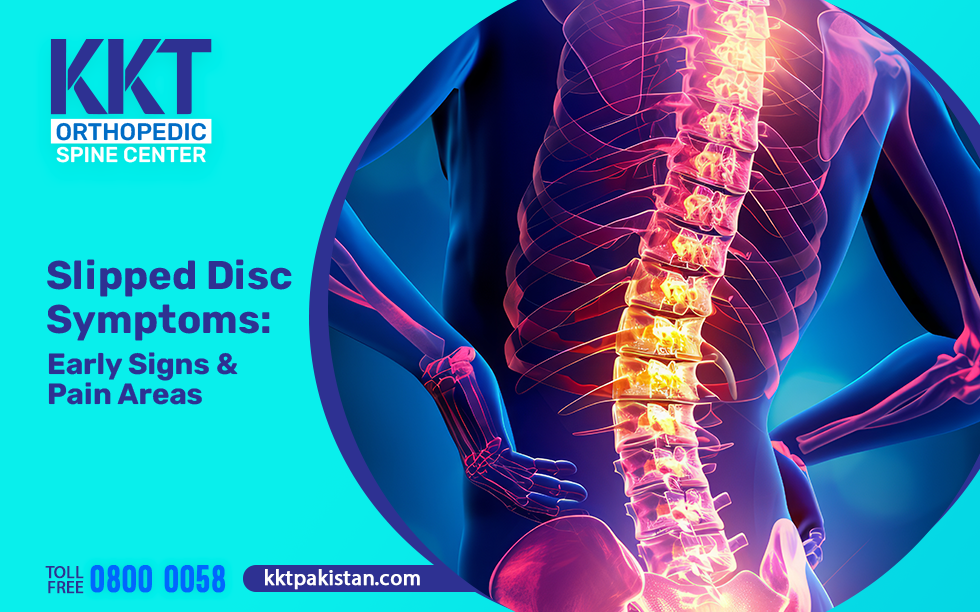
Slipped discs occur when the cushion between spinal vertebrae ruptures, which can irritate nearby nerves, causing numbness or weakness. While some cases heal on their own, ignoring symptoms can lead to long-term nerve damage, chronic pain, or even permanent disability. Early identification is crucial because: Prevents worsening damage: Timely treatment reduces pressure on nerves before irreversible harm occurs. Avoids emergencies: Severe cases (like loss of bladder control) require immediate surgery to prevent paralysis. Speeds recovery: Early intervention often means less invasive care and faster healing. Don’t dismiss recurring back pain, tingling limbs, or muscle weakness. Getting checked early can help prevent debilitating complications. What Happens When a Disc Slips? When a disc slips, it can result in numbness, weakness, and pain in the arms, back, and legs. However, many herniated discs cause no symptoms, while others can lead to severe pain that may radiate down to the arms and legs. Simple Anatomy of the Spine Your spine is composed of small bones called vertebrae, stacked one on top of the other. Between each vertebra is a spinal disc, a soft, cushion-like structure with an outer hard layer (annulus fibrosus) and a gel-like center (nucleus pulposus). Additionally, these discs serve as a shock absorber, helping to bend and move smoothly. What Causes a Disc to Herniate or “Slip”? A slipped disc occurs when the outer layer of the disc is weakened due to wear and tear. It allows the inner gel-like material to bulge out. This gel-like material comes into contact with the outer layer and presses on nearby nerves, causing pain, numbness, or weakness. Common causes include: Age-related wear and tear (discs dry out and weaken over time) Heavy lifting (especially with poor posture) Sudden twisting or bending Injury or trauma (like a car accident or fall) Repetitive strain (from jobs or sports involving bending or vibration) Can a Slipped Disc Happen Suddenly? While some herniated discs develop slowly, others occur suddenly. When lifting something heavy incorrectly or making a sharp movement. You might feel a “pop” followed by sharp pain, numbness, or tingling down your arm or leg (sciatica). Spotting the Early Warning Signs A slipped (herniated) disc doesn’t always cause sudden, severe pain. Sometimes, the early signs are subtle. Recognizing these warning signals can help you get treatment before the problem worsens. Early Signs of a Slipped Disc Localized Back or Neck Pain Muscle Weakness Radiating Discomfort A dull ache or stiffness near the affected disc (often in the lower back or neck). Pain that comes and goes, especially after sitting, bending, or lifting. Mild Tingling or Numbness A slight “pins and needles” sensation in your arms, hands, legs, or feet (depending on which nerve is irritated). A feeling of weakness in specific muscles (e.g., trouble gripping objects or foot dragging slightly when walking). Pain that radiates slightly into the shoulders, buttocks, or thighs (but not yet full-blown sciatica). Subtle Symptoms of Bad Discs in Back that People Overlook Stiffness in the morning that eases as you move. Pain when coughing or sneezing (pressure increases on the disc). Mild leg or arm fatigue after standing or sitting too long. A sensation of “tightness” rather than sharp pain. Understanding the Pain: Where Does It Hurt? Cervical and lumbar disc pain differ in their location and the way they affect the body. Cervical disc pain occurs in the neck and often radiates to the shoulders, arms, or hands, sometimes causing tingling or weakness. This happens when a damaged or herniated disc in the neck compresses a nerve. On the other hand, lumbar disc pain shoots down the hips, thighs, or legs (sciatica) due to nerve compression in the spine. Both types of pain may worsen with movement, coughing, or sneezing. Radiating pain occurs because irritated nerves send signals along their pathways, meaning a problem in the spine can cause discomfort far from the source. Recognizing these patterns helps in diagnosing and treating the root cause effectively. The Role of Stress in Slipped Disc Flare-Ups Chronic stress can worsen slipped disc symptoms by increasing muscle tension and inflammation. This places additional pressure on the spinal discs and nerves. The body releases the stress hormone cortisol, which can heighten pain sensitivity and slow down the healing process. Additionally, stress-induced poor posture or reduced physical activity can further strain the spine. To manage stress and reduce flare-ups, practice relaxation techniques. Deep breathing, meditation, or gentle yoga. Balanced diet, adequate rest, and regular exercise routine also help lower stress levels. If emotional strain is significantly impacting your pain, consider counseling or mindfulness-based therapies to address both mental and physical well-being. Managing stress isn’t just good for your mind. It can also ease disc-related discomfort. Daily Life and Movement: Is Walking Helpful? Walking is one of the safest and most beneficial exercises for managing a slipped disc. This promotes gentle movement, improves circulation, and strengthens supporting muscles without excessive strain. Unlike high-impact activities like running or heavy lifting, which can worsen disc pressure. Low-impact exercises such as swimming, cycling, and controlled yoga aid recovery. Movement helps nourish spinal discs by stimulating fluid exchange, reducing stiffness, and preventing muscle weakness. However, avoid sudden twists, prolonged sitting, or bending forward, as these may aggravate symptoms. The key is mindful activity. Listen to your body low impact activity but consistency is the key to health. Consistent, gentle movement supports healing while keeping the spine’s flexibility and strength. At-Home Tests & Self-Assessment While a professional medical evaluation is essential for an accurate diagnosis of a slipped disc, certain self-checks can help you recognize warning signs. If you are experiencing sharp pain that radiates down your arm or leg, it may indicate nerve compression. Try gently bending forward, backward, and sideways. Another test is lying flat and slowly lifting one leg; shooting pain (especially beyond 30-45 degrees) could suggest sciatica from a lumbar disc issue. However, these tests have limitations. If you experience severe or worsening pain, bladder/bowel dysfunction, unexplained weakness, or symptoms that persist despite rest, seek immediate
Risk Factors for Sciatica: Risk Factors You Can’t Ignore

Sciatica is pain, tingling, or numbness that radiates along the path of the sciatic nerve—the longest nerve in the body, running from the lower back through the hips and down each leg. It occurs when the nerve is compressed or irritated, often due to: Sciatica can become chronic or debilitating if ignored, but many risk factors are modifiable. Take proactive steps and avoid triggers such as sitting for an extended period and weight lifting with poor technique. Spot early warning signs: mild back stiffness and leg tingling. These symptoms may signal impending sciatica. Addressing it early with stretching/physical therapy can prevent full-blown symptoms. For genetic risk, prioritize core strength and spine-friendly exercise (swimming, yoga). Risk Factors for First-Time Incidence of Sciatica Sciatica often arises from mechanical, lifestyle, and biological factors. Understanding these risks can help prevent or delay its onset. Heavy lifting, especially with poor form, prolonged sitting (e.g., desk jobs, driving), and repetitive twisting/bending (e.g., construction, nursing). Spinal changes such as herniated/bulging discs (the most common cause, often at L4-S1), spinal stenosis, spondylolisthesis (slipped vertebra), and piriformis syndrome (tight muscle pinches sciatic nerve) can cause sciatica. A sedentary lifestyle and medical conditions such as diabetes, smoking, and being obese can result in sciatica. Does Obesity Increase the Chances of Sciatica? Obesity significantly increases the risk of sciatica due to added mechanical stress on the spine. Excess weight (especially abdominal fat) places constant pressure on the lumbar spine, accelerating disc herniation (a leading cause of sciatica). Studies show obese individuals have a 34–48% higher risk of lumbar disc disease compared to those with a healthy BMI. Obesity often correlates with weak core muscles and poor posture, increasing strain on the lower back. Losing just 5–10% of body weight can reduce pressure on the spine and improve symptoms. Low-impact exercise (swimming, walking, yoga) strengthens muscles without jarring the spine. Anti-inflammatory diets (rich in omega-3s and leafy greens) may help reduce nerve irritation. Can Poor Sleeping Positions Contribute to Sciatica? Poor sleeping positions can contribute to sciatica or worsen existing symptoms by increasing pressure on the sciatic nerve or irritating the lower spine. Here’s how: Stomach Sleeping forces the spine into an unnatural hyperextended position. Twisting the neck and pelvis can misalign the spine, increasing nerve compression. Fetal Position (Too Tight) While a moderate fetal position can help, curling too tightly may compress the lumbar discs and irritate the sciatic nerve. Back Sleeping with Poor Support can strain the lower back if your mattress is too soft or your pillow placement is wrong. Lack of knee support (e.g., no pillow under the knees) can increase lumbar pressure. A medium-firm mattress (not too soft or hard) supports spinal alignment. Stretching before bed is also effective. Gentle piriformis stretches or the child’s pose can relieve nerve tension. Change positions slowly and avoid sudden twisting as it can aggravate sciatica. Does Diabetes Increase the Risk of Sciatica? Diabetes is when the body no longer regulates blood sugar levels properly. When blood sugar levels remain high for an extended period, they damage nerves and fibers throughout the body. The nerves usually affected first are the small nerves of the hands and feet. Diabetes increases the risk of sciatica. It causes neuropathy, damaging the nerves of the lower extremities. Although it can cause symptoms similar to sciatica, they develop over time. How Does Aging Affect the Risk of Sciatica? Sciatica is more likely to develop with age. As people age, their bones become weaker, drier, and less flexible, which increases nerve compression. The spine undergoes several changes, and individuals also face a heightened risk of developing spinal stenosis, herniated discs, and bone spurs, which cause sciatica. Are There Genetic Risk Factors for Sciatica? Genetics can increase the risk of sciatica, primarily through inherited traits that affect spinal structure, disc health, and inflammation. While sciatica is not directly inherited, certain genetic factors can predispose individuals to conditions leading to sciatic nerve compression. Key genetic risk factors of sciatica are: Disc Degeneration and Herniation Spinal structural changes such as spinal stenosis, arthritis Inflammatory and pain sensitivity factors Can a History of Back Injuries Increase the Risk of Sciatica? A history of back injuries can elevate the risk of developing sciatica. Sciatica occurs when the sciatic nerve is compressed or irritated, often due to conditions affecting the lower spine. Previous back injuries may increase this risk in several ways: Herniated disc trauma from past injuries can weaken spinal discs. Spinal stenosis injuries may speed up the narrowing of the spinal canal. Previous injuries can lead to spinal misalignment, heightening the risk of nerve compression. Are Smokers More Likely to Develop Sciatica? Smokers are more likely to develop sciatica due to the harmful side effects of tobacco on spinal discs and blood flow. Smoking accelerates the disc degeneration process. Nicotine restricts blood flow to spinal discs, starving them of oxygen and nutrients. Toxins in cigarettes trigger systemic inflammation, irritating spinal nerves and resulting in chronic inflammation. It also reduces healing ability. Smoking impairs tissue repair, delaying recovery from disc injuries or nerve compression. Carbon monoxide lowers oxygen in the blood, worsening nerve function and causing oxygen deprivation and nerve damage. What Smokers with Sciatica Can Do Prioritize quitting (nicotine patches, counseling, or apps like Smoke Free) and boost spine health with: Hydration (discs need water to stay resilient). Anti-inflammatory foods (berries, fatty fish, turmeric). Low-impact exercise (walking, swimming) to improve circulation. See a specialist if pain persists—early disc treatment prevents chronic issues. How Does Heavy Lifting Affect Sciatica Risk? Heavy lifting is a major risk factor for sciatica, especially when done improperly. It can directly compress or irritate the sciatic nerve by increasing pressure on the lower spine. Here’s how lifting contributes to sciatica and how to minimize risks: Proper Lifting Technique Hinge at the hips, not the waist (keep back straight, bend knees). Hold loads close to your body (reduces spinal torque). Avoid twisting—pivot with the feet instead of rotating the spine. Strength & Conditioning Strengthen core (planks), glutes
Warning Signs: When to seek orthopedic care
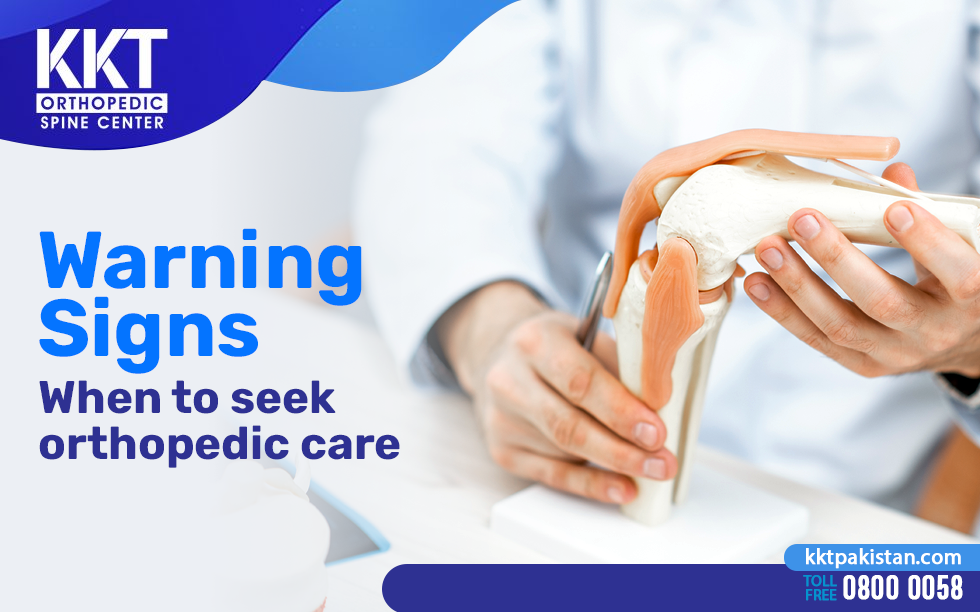
Many of us experience joint and muscle pain at some point, and many experience musculoskeletal injuries which require immediate orthopedic care. You’ll likely see an orthopedic doctor if you need special tests and treatment for your injury. What does the term orthopedics mean? Orthopedics is a medical field that treats the musculoskeletal system, which includes the body’s muscles and bones. This specialty is focused on diagnosing diseases, injuries, and conditions of the ligaments, tendons, and nerves. 5 Major Orthopedic Warning Signs Any orthopedic ailment can cause discomfort and pain. Most of the time, you might think you can tough it out or that it will disappear on its own to avoid seeing a doctor. An orthopedic specialist will help you manage pain and recommend a procedure that will give you long-lasting relief. Now, the question is when you must see an orthopedic specialist. We have listed all the severe issues that require medical attention. Join us as we delve into orthopedic spine care for a better and healthier You. Chronic Back pain Back pain is a common problem. The primary cause is muscle strain or bad posture. It resolves with time and some self-care, but persistent back pain requires medical attention. When back pain intensifies with time, self-care does not help anymore. It’s a sign that persistent pain stems from a range of spinal-related conditions, herniated discs, spinal stenosis, and sciatica. Spinal Deformities Changes in your spinal structure, such as hunchback, uneven shoulders, or leaning forward, are spinal deformities. It impacts your appearance, causing discomfort and pain. These conditions are referred to as kyphosis and scoliosis. Early intervention helps to manage these conditions and prevent them from worsening. Difficulty in walking Does walking even shorter distances feel like climbing a mountain? Then, it’s a red flag, and you must seek orthopedic care. Difficulty walking or upright posture are symptoms of spinal arthritis and spinal degeneration. They can diminish the range of motion. Your doctor might recommend some lifestyle changes and suggest activities for pain management and to keep your body in movement. Swollen joints When fluid builds up in soft tissues surrounding joints, swelling tends to occur. It can be caused by bacterial infection, trauma, or chronic arthritis. Rare reasons for swollen joints include spondylitis, rheumatic fever, and hypothyroidism. If you have a swollen joint and a fever, seeing an orthopedic consultant is essential. Tingling and Numbness A needle-like or tingling sensation is often felt in arms and legs for a short period. This feels annoying but is not harmful. When this tingling sensation is frequently accompanied by pain, numbness, itching, and reduced range of motion, it’s a sign of a pinched nerve, stress injuries, or bacterial or viral infection. It is recommended that you see an orthopedic doctor. Key Takeaways You might visit an orthopedic doctor if you have joint pain, inflammation, or other reasons listed below: Decrease in range of motion. Osteoarthritis Hip or knee pain that worsens upon standing When your daily activities are affected due to pain and discomfort. Chronic pain (lasting more than 12 weeks) Acl tears or fractures For pain-free living and a healthier YOU, schedule an appointment with our expert team of orthopedic consultants. Make an appointment.
Five exercises to ease shoulder pain
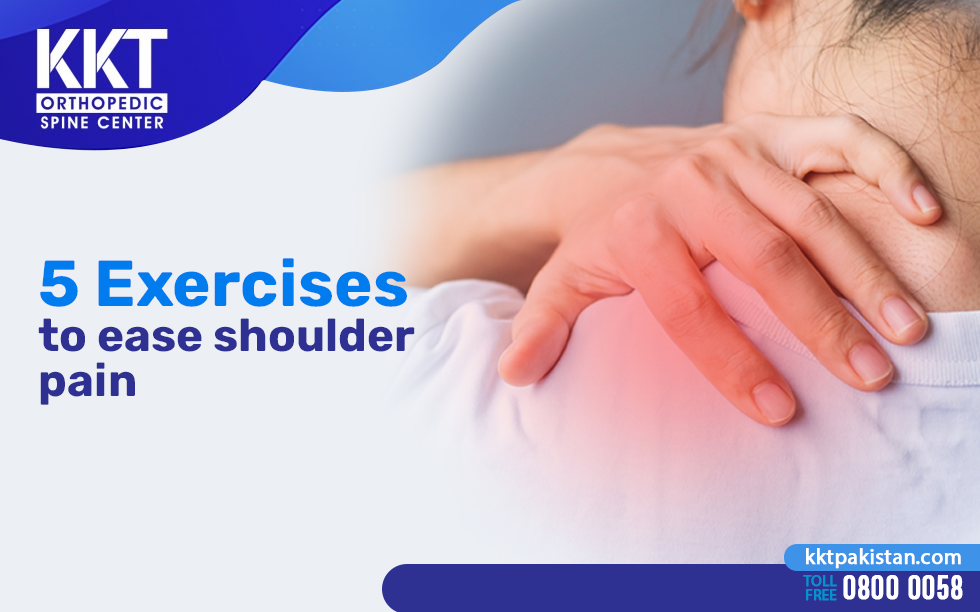
Shoulder exercises for shoulder pain are the top solution to relieve pain. It is a common problem affecting about 18-26% of adults. Luckily, this discomfort can be relieved by taking some steps: exercising, incorporating physiotherapy, and massages help to reduce the pain. Additionally, they improve mobility, increase the range of motion, and strengthen muscles. Various shoulder exercises for shoulder pain are available. Here are the top five best exercises to eliminate pain. Five Best Exercises Here are the top five most effective exercises to relieve body pain. Eagle arm spinal rolls: While standing, extend your arms. Cross your elbows with your right arm on top. Bend your elbows and twist both arms. Bring your right-hand palm around your right arm. Hold this position for 15 seconds. Repeat this movement two times. Seated twist: Sit on a chair with your ankles straight toward your knees. Move your body towards the right side and then move back straight. Do this on the other side. Repeat this exercise three times on each side. Shoulder circles: Place your left hand on a chair with your right arm hanging down. Move it in circles five times in the same direction. Perform this on the other side. Repeat it three times. Chest Expansion: Bring your left arm across your chest. Support this arm with your right arm. Hold this position for one minute. Repeat this movement three to five times. Neck release: Lower your chin towards your chest. You will feel a stretch in your neck and shoulder area. Tilt your head towards your neck and stretch your right shoulder. Hold it for one minute. Perform this movement on the other side as well. Repeat this exercise 3-5 times. How to prevent Shoulder pain? Take care of your body while reaching for objects overhead and while bending. In addition to exercises, following these tips can prevent shoulder pain. Take a break from tasks that cause pain. Rest when your body says so. Focus on your posture. When sitting for an extended period, prefer a chair with back support. Pay attention to what causes pain in your body, and adjust accordingly. Home Remedies for shoulder pain Along with doing shoulder exercises at home, you can try home remedies to ease pain. Applying heat packs to the affected area will smooth the blood flow and lessen the pain. Alternatively, you can use an ice pack. It restricts the blood flow and saves the affected area from further damage to ligaments and joints. This even reduces inflammation. Incorporating physical therapy will improve mobility and strengthen muscles. It will gradually work towards healing pain, which will be fulfilling. It will also prevent future injuries. When to see a doctor? Shoulder pain is expected due to bad posture habits, and watching mobile screens for too long can cause muscle stiffness. Such pain usually heals within a few days or one week. It’s time to see a doctor when: Pain worsens over a short time. Shortness of breath Aching pain in the shoulder, neck, and back. KKT Orthopedic Spine Center Shoulder pain is annoying. Finding the right place for diagnosing this excruciating pain is even more difficult. At KKT KKT Orthopedic Spine Center, you don’t have to worry; our team of experts on board works seamlessly. We are a globally recognized orthopedic center equipped with advanced technology to provide you with the best treatment. Make an appointment.
Healthy lifestyle choices to reverse the process of degeneration.

Degeneration is inevitable. Our lifestyle choices impact it. Healthy lifestyle choices lead to better health and a longer life span, whereas consuming sugary food and smoking can cause serious health problems and eventually shorter life spans. Here’s a list of 5 things that can reverse the process of degeneration. Physical activity Our bodies are designed to be physically active. Exercise can do things that medicines cannot. It is observed that people who exercise daily remain healthier and younger than those who don’t. Performing a hard-core workout seems impossible in pain. Instead, thirty minutes of walking daily is enough to keep you physically active and maintain a healthy weight. Exercising 3-4 days a week keeps you active and pain-free as it helps build muscle mass and strength. Diet We must monitor the nutrients and benefits of the food we eat. Food provides energy and keeps us healthy and active. Here is a list of things you must watch out Avoid processed canned food such as chips, soft drinks, candies, and cookies. Avoid partially hydrogenated fats like those found in coconut and palm oils. Instead, choose almond, flaxseed, or olive oil, which have numerous health benefits. Omega-3 fatty acids in fish are beneficial to reverse the process of degeneration. Social connectivity Humans are social creatures. We need strong relationships to deal with life challenges. Our relationships with family, friends, and colleagues help us impact our lives. These connections allow us to make healthy choices and lead to better mental and physical health. It improves: Our ability to manage stress Quality of sleep Healthy habits and an active life Maintain Healthy weight Obesity increases the risks of health problems. Being overweight strains all of our body systems, causing inflammation and hormonal imbalances. However, it also exerts pressure on spinal nerves and joints, causing spinal imbalances and long-term pain. Aim to maintain a healthy weight, which keeps you healthy. Quit Smoking Smoking causes numerous side effects. Along with serious health problems, It is one of the significant reasons for chronic back pain. Simply quitting smoking and drinking habits increases your life span and enables you to live a healthy life. KKT Orthopedic Spine Center Are your lifestyle choices causing you trouble? We can help. KKT provides noninvasive, nonmedicinal, and nonsurgical treatment for your spinal problems. Our treatment is done through Quantum Acoustic Waves, which painlessly realigns the asymmetrical spine back to its original position, thus eliminating pain at various spine levels. Book your appointment.
How Smoking Might Be Causing You Lower Back Pain

Table of Contents Introduction Does Smoking Cause Back Pain? How Smoking Impacts Spinal Health How Smoking Damages the Body The Link Between Cigarette Frequency and Back Pain Smoking Increases Pain Sensitivity What About Pain Perception? Treating Back Pain from Smoking Resources for Quitting Smoking How Can KKT Help You? Conclusion FAQs Introduction Smoking is often linked to lung and heart problems, but its impact on spinal health is frequently overlooked. Long-term nicotine exposure affects blood flow, tissue repair, and bone strength, all of which play a direct role in back pain. Many individuals experiencing sore lower back or upper back discomfort may not realize that lifestyle habits such as smoking can gradually worsen spinal conditions. Addressing these factors is important for long-term pain management and recovery. Spinal discs depend on a steady exchange of oxygen and nutrients to maintain their structure and flexibility. When this process is disrupted, discs gradually lose hydration and resilience, making them less effective at absorbing mechanical stress. Over time, this contributes to stiffness, reduced mobility, and recurring discomfort in both the lower and upper back. Does Smoking Cause Back Pain? The connection between smoking and spinal discomfort is supported by both clinical observation and research. Smoking does not just affect the lungs; it interferes with the body’s ability to maintain healthy spinal structures. Nicotine alters the way spinal tissues respond to stress by limiting oxygen availability and slowing cellular repair. As disc health declines, the spine becomes less capable of distributing load evenly, leading to increased pressure on specific segments and the gradual onset of pain. Direct Link Between Smoking and Back Pain Whether smoking causes back pain is closely linked to how nicotine affects circulation and disc health. Smoking reduces oxygen delivery to spinal discs, which rely on proper hydration and nutrient exchange to function effectively. When this supply is limited, discs begin to weaken and lose their ability to cushion movement. As disc integrity declines, mechanical stress increases across the spine, especially during sitting, bending, and lifting. This added pressure contributes to inflammation in surrounding tissues, including ligaments and joints. Over time, these combined effects lead to persistent lower back discomfort and reduced flexibility. Additionally, reduced blood flow affects surrounding support structures, making them less resilient to strain. This increases the likelihood of recurring pain episodes and contributes to long-term spinal instability if the underlying cause is not addressed. How Smoking Affects Spinal Recovery Smoking slows down the body’s natural healing response by limiting circulation and oxygen delivery to damaged tissues. When spinal structures are stressed or injured, reduced blood flow delays repair processes and prolongs inflammation. This makes recovery from minor strain or chronic conditions significantly slower. The body relies on efficient cellular repair to restore damaged tissues, but nicotine interferes with this process by reducing nutrient absorption at the tissue level. As a result, small injuries may not heal completely and can accumulate over time. This delayed healing response often leads to ongoing discomfort and increases the risk of chronic pain. Without proper recovery, repeated stress continues to weaken spinal structures, making the condition more difficult to manage in the long term. How Smoking Impacts Spinal Health Smoking introduces gradual structural changes that weaken the spine’s ability to support movement. These changes affect both the discs and the surrounding support systems. Over time, nicotine exposure accelerates degenerative processes, reducing flexibility and increasing stiffness across spinal segments. Reduced Blood Flow to Spinal Discs Smoking damages blood vessels and restricts the flow of oxygen-rich blood to spinal discs. These discs depend on consistent circulation to maintain hydration and structural strength. When blood flow is reduced, discs lose elasticity and become more prone to wear. This loss of elasticity limits the disc’s ability to absorb shock, increasing stress on adjacent vertebrae. As pressure builds, surrounding tissues may become irritated, contributing to ongoing discomfort. Reduced circulation also affects nutrient delivery, which is essential for maintaining disc health. Without adequate support, discs gradually deteriorate, leading to increased vulnerability to injury and long-term degeneration. Disc Degeneration and Structural Stress With limited nutrient supply, spinal discs begin to degenerate at a faster rate. This reduces the cushioning between vertebrae and increases direct contact between spinal segments. As a result, mechanical stress on the spine rises significantly. This increased stress affects joints, ligaments, and surrounding muscles, forcing them to compensate for reduced disc function. Over time, this imbalance contributes to stiffness, restricted movement, and chronic lower back pain. As degeneration progresses, the spine becomes less stable, making it more susceptible to further injury. This ongoing cycle of stress and compensation plays a major role in long-term discomfort. How Smoking Damages the Body Smoking affects multiple systems in the body, including circulation, muscle strength, and tissue repair. These systemic effects directly influence spinal health. Reduced oxygen levels and impaired healing create an environment where recovery becomes slower and less effective. Effect on Circulation and Healing Smoking limits oxygen delivery throughout the body, which is essential for tissue repair and regeneration. Spinal tissues rely heavily on consistent blood flow to recover from daily stress. When circulation is restricted, healing processes become less efficient. This delay in healing allows inflammation to persist, increasing sensitivity in affected areas. Over time, this can lead to chronic irritation and reduced tolerance to physical activity. Impaired circulation also affects the body’s ability to remove waste products from tissues, which further contributes to discomfort and slows recovery. Impact on Muscles and Tissue Repair Nicotine weakens muscle function and slows down tissue repair, particularly in areas supporting the spine. Weak muscles provide less stability, which increases strain on spinal structures during movement. As muscle strength declines, the spine relies more on passive structures like ligaments and discs, increasing their workload. This imbalance contributes to mechanical stress and prolongs recovery time. Delayed tissue repair also means that minor injuries remain unresolved, leading to repeated irritation and ongoing discomfort. The Link Between Cigarette Frequency and Back Pain Smoking frequency directly affects the severity of spinal symptoms. Higher exposure leads
What is a text neck?

Most people experience neck and shoulder pain, headaches, and tingling in their arms and shoulders. Have you ever wondered why this is so? Recently, smartphone addiction has caused various neck disorders. The increased usage of mobile phones without limiting screen time can put pressure on neck muscles, causing neck strain and shoulder discomfort. Text Neck refers to the excessive strain on the neck caused by looking down at mobile devices for a prolonged period. This can cause various problems, such as headaches, neck pain, and shoulder and arm pain. What is the cause of tech neck? Looking down for extended hours can strain neck muscles. The average weight of the neck is 10 pounds, but bending it to a 60-degree angle exerts substantial weight on it. How long does text neck last? Text neck pain can last from a few days to several weeks, depending on the severity of the injury. In the case of a mild text neck injury, a person might recover within a few days—exercise, posture correction, and stretching help to heal soon. However, severe cases of text neck injury may take several weeks to months to fully recover. How do you treat neck text? Mild cases of text neck can be treated at home. In some cases of severe, text neck injury, a person must seek medical care. There are plenty of ways to treat neck pain, listed below. To avoid head tilting forward, use mobile devices closer to eye level. Follow the 20-20-20 rule: Use your mobile phone for 20 minutes, take a break for 20 seconds, and look at something farther than 20m. Spend time away from the phone and take frequent breaks from handheld devices. Stand up straight. The good posture, with the chin tucked in and shoulders pulled back, keeps the body aligned in a neutral position. Exercises and stretches: Arch the neck and upper back backward periodically to ease muscle pain. Exercise regularly. A robust and flexible back and neck can handle extra stress. Some research indicates that teenagers active in low-impact team sports or endurance sports are less likely to have neck pain. KKT Treatment KKT utilizes “Quantum Waves,” which can gently restore the asymmetrical spine to its original position. It allows many muscles, ligaments, and nerves affected by the spine’s shift due to injury to return to their regular positions, eliminating neck pain. Make an appointment.
Prevent Tailbone Pain: Exercises and Tips
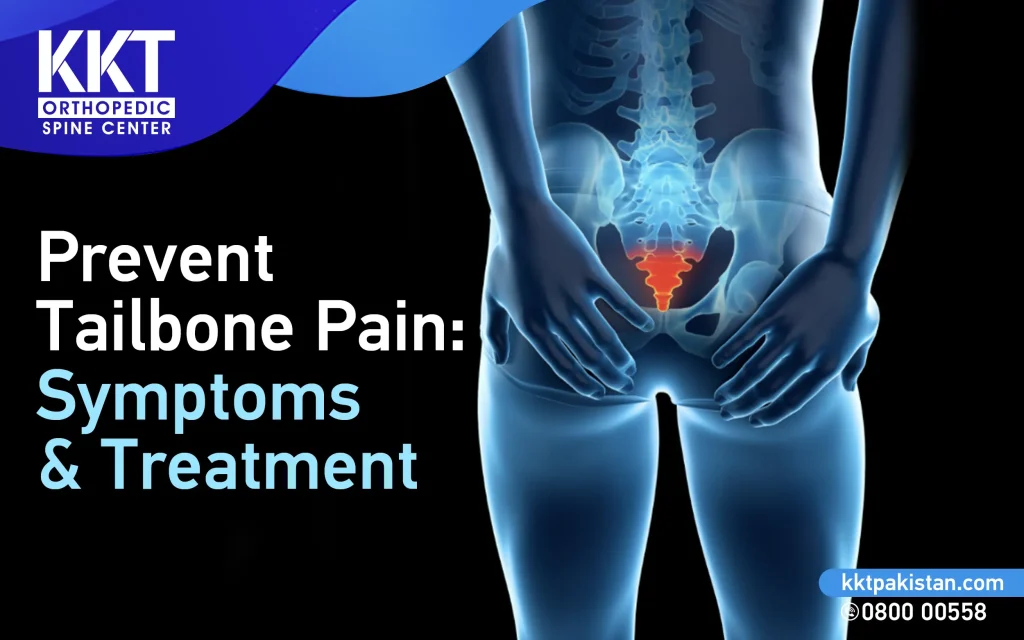
Table of Contents Introduction Tailbone Pain Causes of Tailbone Pain Conditions That Can Be Mistaken for Tailbone Pain Natural Ways to Relieve Tailbone Pain Self-Care Techniques for Tailbone Pain When to See a Doctor Specialized Spinal Care for Tailbone Pain at KKT Pakistan Conclusion FAQs Introduction Tailbone pain, medically referred to as coccydynia, is a localized condition that affects the base of the spine and can significantly interfere with sitting, posture, and daily movement. It is commonly reported among individuals who spend long hours sitting, women after childbirth, and people with sedentary routines or repetitive strain on the lower spine. Even mild tail pain can gradually intensify if not addressed early. The coccyx plays a key role in supporting body weight while sitting, and any dysfunction in this area can lead to persistent discomfort. Early attention to the reason for tailbone pain and timely intervention helps reduce inflammation, restore mobility, and prevent long-term irritation. Tailbone Pain Tailbone pain refers to discomfort around the coccyx, the small triangular bone at the base of the spine. This area is highly sensitive because several ligaments, muscles, and nerve endings attach to it. Pain typically worsens while sitting on hard surfaces, leaning backward, or transitioning from sitting to standing. In some cases, the discomfort may radiate slightly into the lower back or pelvic region, affecting posture and movement patterns. Causes of Tailbone Pain Pinpointing the underlying cause is essential because treatment varies depending on the source of irritation. Tailbone pain can develop due to mechanical stress, nutritional imbalance, or soft tissue strain around the coccyx. Common Causes of Tailbone Pain The most frequent answer to what is the cause of tailbone pain lies in prolonged pressure on the coccyx. Sitting for extended periods, especially on hard or poorly cushioned surfaces, places continuous stress on the tailbone and surrounding tissues, leading to irritation and discomfort. Minor trauma, such as a fall or repeated micro-injury, can also trigger inflammation in this area. In addition, poor posture can shift body weight directly onto the coccyx, increasing strain and making the pain more persistent over time. Tailbone Pain Without Injury Many individuals experience discomfort without any clear trauma. What causes tailbone pain without injury is often linked to poor posture, muscle imbalance, or long-term sitting habits that place repeated pressure on the coccyx. Weak pelvic floor muscles and tight hip structures can shift body weight toward the tailbone, increasing strain on surrounding tissues. Over time, this imbalance can lead to ongoing irritation and persistent discomfort, even without a specific injury. Role of Vitamin Deficiency Nutritional deficiencies can indirectly contribute to tailbone discomfort. The vitamin deficiency that causes tailbone pain is often linked to low levels of vitamin D and calcium, both essential for maintaining bone strength. When these nutrients are insufficient, bone density may decrease, making the coccyx more sensitive to pressure and minor stress. Over time, this can increase the likelihood of inflammation and persistent pain in the tailbone area. Tailbone Pain Causes in Females Tailbone pain in females is often linked to anatomical and hormonal factors that affect the pelvic region. Pregnancy and childbirth place significant pressure on the coccyx, which can lead to temporary misalignment or strain in the surrounding tissues. Hormonal changes, particularly those that increase ligament flexibility, may also reduce joint stability and make the area more sensitive. Over time, these factors can contribute to ongoing discomfort, especially during sitting or movement. Stress Causes Tailbone Pain Stress can influence muscle tension throughout the body, including the pelvic and lower back region. Whether stress causes tailbone pain is a valid concern, as ongoing tension can tighten surrounding muscles and affect posture. This shift may place additional pressure on the coccyx, leading to discomfort over time. When stress persists, it can contribute to muscle imbalance and increase sensitivity in the tailbone area. Conditions That Can Be Mistaken for Tailbone Pain Pain near the lower spine is not always directly linked to the coccyx. What can be mistaken for tailbone pain includes conditions such as sciatica, lumbar disc issues, or sacroiliac joint dysfunction. These conditions may produce similar symptoms, including radiating pain and discomfort while sitting. Accurate assessment is necessary to differentiate between coccyx-related pain and other spinal or nerve-related conditions, as treatment approaches differ significantly. Natural Ways to Relieve Tailbone Pain Non-invasive approaches are often effective in managing tailbone discomfort, especially in the early stages. Care that focuses on reducing pressure on the coccyx, improving posture, and supporting gentle mobility can help ease irritation. Over time, these methods promote better alignment and allow the surrounding tissues to recover gradually, reducing discomfort without the need for invasive intervention. Best Foods for Tailbone Pain Recovery Diet plays a supportive role in recovery. Good foods for tailbone pain include anti-inflammatory options such as leafy greens, nuts, fatty fish, and foods rich in calcium and vitamin D. These nutrients support bone strength and help reduce inflammation around the coccyx. Tailbone Pain Exercises for Relief Tailbone pain exercises focus on improving flexibility and reducing tension in the muscles surrounding the coccyx. Gentle stretching of the lower back, hips, and pelvic region helps redistribute pressure away from the tailbone and supports better alignment. Regular movement also improves circulation, which can reduce stiffness and support tissue recovery. Over time, consistent exercises can ease discomfort and help maintain better posture during daily activities. Fastest Way to Heal Tailbone Pain Naturally What is the fastest way to heal a sore tailbone naturally depends on reducing pressure and allowing tissues to recover. Using cushioned seating, maintaining proper posture, and avoiding prolonged sitting can accelerate healing. Consistent movement and light activity also prevent stiffness. Best Home Remedies for Tailbone Pain The best remedy for tailbone pain often involves simple home-based care such as warm compresses, posture correction, and ergonomic sitting support. These methods help manage inflammation and reduce direct stress on the coccyx. Self-Care Techniques for Tailbone Pain Daily habits play a major role in both recovery and prevention. Small adjustments in posture and movement
For spinal health keep your posture correct during prayers.
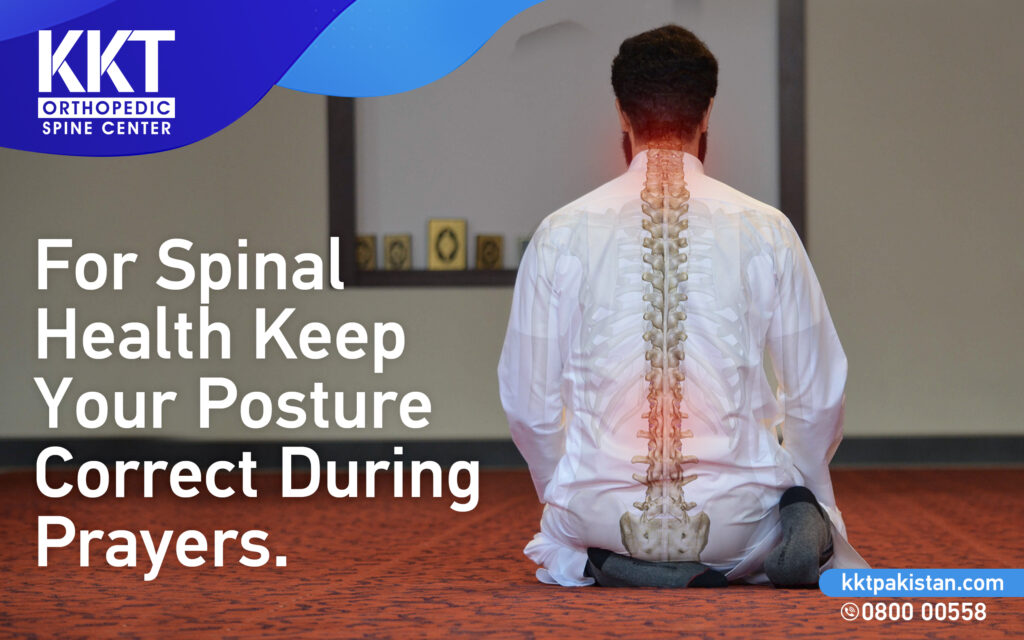
During the month of Ramadan, Muslims worldwide engage in various religious practices. It is essential to raise awareness of posture correction for spinal health and adopt a habit of keeping your posture correct while fulfilling your religious obligations like praying. Correct posture maintains spinal health, whereas incorrect posture can exert pressure on nerves and lead to muscle strain, spinal misalignment, and disc compression, which results in discomfort and pain. This usually happens during prolonged periods of standing, such as Taraweeh prayers. Learn posture correction tips for spinal health during prolonged sitting and standing in prayer. How can I correct my spine posture? Are you wondering how one can even maintain posture during prayer? Explore how it’s possible. These are the tips to maintain your posture: Focus on spinal alignment: Keep your head, neck, spine, and pelvis aligned while standing and bowing during prayer. Keep your spine straight and avoid excessive arching. Ensure your weight is evenly distributed: Don’t exert all your weight on one leg. Ensure your weight is evenly distributed between both feet while standing, and avoid leaning excessively forward or backward. Work on your core muscles: Work on your core muscles to provide stability and support to your spine. It can help reduce the risk of lower back pain. Take breaks if you feel discomfort or fatigue: If you experience fatigue or discomfort during prayer, take short breaks to rest and stretch gently. Listen to your body’s signals and avoid pushing through pain. Use supportive cushions: Consider using a small cushion or prayer rug to provide additional support for your knees and ankles during prostration. This can help reduce strain on these joints and promote better spinal alignment. Keep yourself hydrated: Drink plenty of water during non-fasting hours to stay hydrated, as dehydration can contribute to muscle stiffness and fatigue. What is the correct posture and spine health? Correct posture is simple. It means keeping the cervical, thoracic, and lumbar curves balanced and aligned, with weight distributed evenly over the feet. Posture correction for spinal health is important to avoid lower back discomfort and disc compression. Conclusion To maintain your posture, distribute weight evenly on both legs and align your neck, spine, and pelvis area. Take frequent breaks when you feel tired. In case of spinal problems, contact us at 0800-00-558 or Make an appointment.