Back strengthening exercises

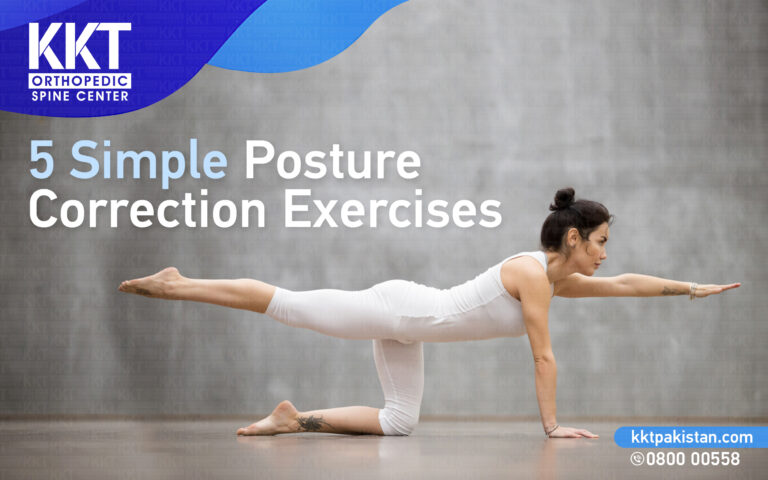
Are you experiencing back pain? Well, you’re not alone. About 80% of people suffer from lower back pain at some point in their life. There are several reasons behind lower back pain including poor posture, slipped disc, arthritis, osteoporosis, etc. Various back-strengthening exercises play a significant role in minimizing back injuries and lower back pain. Common causes of back pain: Several injuries and conditions can cause pain in the lower back. Following are some of the reasons behind low back pain: Slipped disc/herniated disc Degenerative disc Spinal stenosis Ankylosing spondylitis Arthritis Benefits of back strengthening exercises: Strengthening exercises for lower back pain can result in several benefits for the back, some of which include the following: Improved posture Spinal alignment Lesser stress on the spine and discs Reduced stress on the joints Strengthens the spine Back strengthening exercises How can you fix a weak back? Exercise for the lower back can help in preventing and relieving pain in the back. Moreover, these exercises can also provide support to the upper back and stabilize the lower back (spine). If you feel pain or an increase in the already existing back pain, stop performing the exercise. What are the 3 simple exercises for back pain? Following are some back muscle strengthening/stretching exercises for the lower back: – Plank: To perform a plank, follow the steps mentioned below: Lie straight on the floor on your stomach, keep your forearms against the floor directly in line with your shoulders Tighten your gluteal and abdominal muscles Now gently lift your knees and hips off the floor. Hold this position for about 20-30 seconds Note to not let the pelvis sag towards the floor. Now, slowly come back to the initial position. Repeat this 5 times. – Abdominal crunches: To perform this exercise, follow the below-mentioned steps: Lie straight on your back on the floor. Bend your knees, keep your feet flat and hips wide apart on the floor. Cross your hands on your chest While exhaling, tighten your abdominal muscles and lift your head and shoulders off the floor. Gently come back to the initial position Repeat the same exercises about 10 times. – Knee to chest stretches: To perform this lower back stretching exercise, follow the below-mentioned steps: Lie straight on your back on the floor keeping both legs flat. Lift your left leg, bend the knee and bring/bend it towards your chest. Pull the knee towards the chest using both hands, and hold it for several seconds. Gently release the knee, coming to the initial position, and repeat the same on the right leg. Summary: Lower back strengthening, stretching, or stabilization exercises can help in the improvement of lower back flexibility, strength, and stability. Moreover, exercises/stretches for the lower back can also help in preventing lower back pain and alleviating the pain.
Tips for Lumbar Herniated Disc Pain Relief

If you are experiencing pain radiating down your shoulder, arm, buttocks, or leg, it may be a sign of a bulging or herniated disc. These symptoms occur due to herniated or slipped discs in the cervical (neck) or lumbar (lower back) spine. Slipped discs occur when the inner nucleus of the disc slips out of the annulus (the outer layer). It results in pinching/irritating the nerves extending out of the spine. Symptoms of a herniated disc may be a sharp, burning, radiating pain depending on the location. Lower back pain is one of the most common symptoms of a lumbar herniated disc. This article includes some tips for lumbar herniated disc pain relief. Symptoms of Herniated Disc: As mentioned earlier, lower back pain is one of the initial symptoms of a herniated disc. Some of the other symptoms of the lumbar herniated disc include the following: – Sciatica: Sharp or shooting pain extending from the lower back, and buttocks down to the back of the leg. This pain can be a result of pressure on the spinal nerve due to slipped disc in the lower back. – Numbness & Weakness: Tingling sensation, weakness, or numbness in the leg or foot. Lumbar Herniated Disc Pain Relief: Tips How to relieve herniated disc pain in the lower back at home? Pain relief from a lumbar herniated disc may look different for everyone. Following are some of the tips/ways to relieve herniated disc pain: – Heat or cold therapy: Lower back heat or cold therapy helps relieve tension in the muscles due to a lumbar herniated disc. There are several benefits of heat therapy which include: Increased blood flow Improvement in connective tissue elasticity Loosens muscle tightness Whereas, cold therapy assists in decreasing the temperature of local tissue. This produces an anti-inflammatory and analgesic effect, thus reducing pain. Below is the method of applying heat and cold therapy to the lower back: In the morning, to decrease muscle tension apply heat therapy before stretching or performing exercises. Place a heating pad periodically on your lower back throughout the day. Note to use anything as a physical buffer (e.g., towel) to avoid any thermal injury. Cold therapy can also be applied in a similar manner, after stretching/exercises. Similarly, use a paper towel/physical buffer for cold therapy (ice pack) to avoid thermal injury. – Exercise or physical activity – moderate: There are some exercises that can help with lumbar herniated disc pain relief and improve the symptoms. These exercises/stretches can help strengthen the muscles that support the spine. They may include: Stretching exercises Aerobic exercises Massage, etc. Consult a specialist when performing exercises/stretches. Other tips for herniated disc pain relief include: – Adjusting the sleeping position: Lumbar herniated disc pain can get worse or be provoked due to an incorrect sleeping posture. Choosing a proper sleeping posture/position relieves pressure from the spine. Following are some of the tips: Pillow under your knees can help relieve pressure from the lower back For side sleepers, keep the spine and hips straight/aligned, and put a pillow between the knees. – Improving the posture: Maintaining a proper posture puts lesser pressure on the lumbar spine, therefore, helps relieve pain. This is why: Activities like wearing heels, sleeping on the stomach, sitting for too long, or standing for too long should be avoided. Moreover, when lifting heavy objects use your knees and hips – squat. Avoid repetitive bending Maintain a proper posture when sitting and standing. When to seek medical attention? In case of pain due to lumbar herniated disc(s), visit your nearby KKT center. Here at KKT, we treat herniated discs along with various other spine-related ailments without surgery. We have 8 operational centers across various metropolitan cities in Pakistan. For booking an appointment, click on the link below.
Osteoarthritis in the Neck (Cervical Spondylosis)

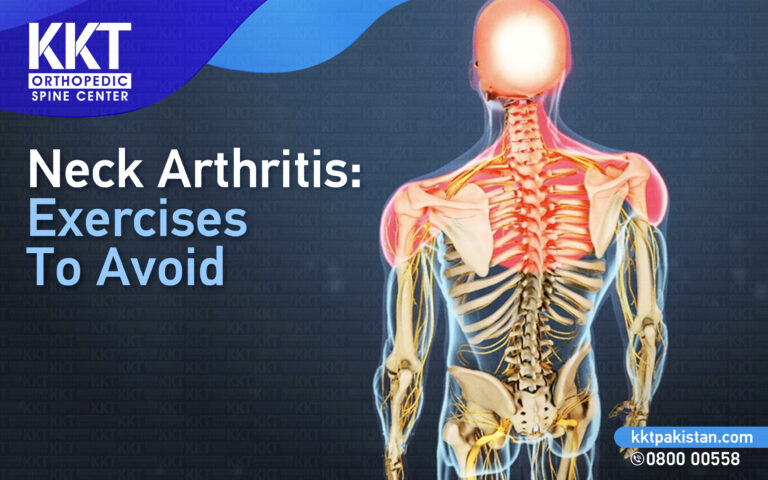
Cervical osteoarthritis is also known as cervical spondylosis. This disorder involves joints, discs, and bones in the neck or cervical spine. With age, the discs gradually break down, losing the fluid and becoming stiff. Cervical spondylosis or osteoarthritis is a generalized term for age-related wear and tear in the neck. Common symptoms of osteoarthritis in the neck include neck pain and stiffness. Symptoms of Osteoarthritis in the neck: Usually, osteoarthritis (cervical spondylosis) causes no symptoms. But if osteoarthritis in neck symptoms do occur, the following are some of the common ones: Pain in the neck Stiffness in the neck Headaches (Arthritis in the neck can cause headaches if the damage occurs at the top of the spine (first, second or third vertebrae) Narrowing of the spine Weakness and numbness in the arms, hands, and fingers Difficulty in bending or turning the neck Risk factors of Osteoarthritis in the neck: What causes arthritis in the neck? The degenerative changes occurring throughout the spine as we age can lead to cervical spondylosis or osteoarthritis. One of the major risk factors of osteoarthritis is age. This spine-related condition is most common among middle-aged and older adults. However, there are several other factors that may increase the risk of arthritis in the neck, these include: 1. Family history: Having a family history of osteoarthritis, neck pain, and spondylosis. 2. Job type: An occupation that involves repetitive motions, heavy lifting, or overhead work putting stress on the cervical spine. 3. Other medical conditions: Any prior injury to the neck or trauma can also increase the risk of osteoarthritis. 4. Weight Excessive weight can lead to a higher risk for osteoarthritis in the neck. More weight puts excessive pressure on the joints. Furthermore, with excess weight, the inflammation caused can be more damaging. Exercises for neck arthritis: Physical activity or exercise plays a significant role in relieving arthritis pain in the neck. They strengthen the muscles that support the joints and decrease joint stiffness. Moreover, to improve mobility exercises also help with increasing blood flow. A couple of exercises can help relieve symptoms of arthritis in the neck. Some of these exercises include the following: Chin tuck Active cervical rotation Shoulder rolls However, there are some neck arthritis exercises to avoid. They include: Sit-ups Bridges Military press Tips for exercises with osteoarthritis in the neck: Following are some of the tips for safe stretching: Perform the stretches smoothly and gently Note that the stretch shouldn’t be painful Slowly increase the depth of stretches over time and repeat them if needed. Don’t hold your breath In case of pain, book an appointment with KKT orthopedic consultants. KKT offers non-surgical spinal treatment for various conditions including osteoarthritis. For further information, you can contact us at the number given below. Phone: 0800-00-558
Early warning signs of Osteoporosis

Osteoporosis is also known as a silent disease. It is a chronic condition related to the gradual deterioration of bone tissue. It is a common disorder making bones brittle and weak, increasing their chance of breaking easily. Preventing any severe complications from osteoporosis requires treating it at an early stage. There are some early warning signs of osteoporosis however, often it is diagnosed due to a fracture of a bone. 5 Early warning signs of Osteoporosis: Following are some of the early and later-stage warning signs of osteoporosis: 1. Low bone density: A case where bone density is lower than average but not enough to be diagnosed as osteoporosis. Having low bone density is normal in some specific people and doesn’t signify that the person will have osteoporosis. Since one has lower bone density, it also means that they are more likely to have fractures or breaks compared to ones that don’t. 2. Aches or pain in the body: Physical inactivity and vitamin D deficiency can lead to back or neck pain. Osteoporosis can also result in compression fractures, therefore, causing pinched nerves and leading to back or neck pain/aches. This pain radiates out of the spine and can range from minor/mild tenderness to severe pain. 3. Brittle bones – easy fractures: Fractures usually come at a later stage of osteoporosis. These fractures can be the reason of minor movements and are one of the common symptoms of fragile or weaker bones. At times even a strong sneeze or cough can result in osteoporosis-related fractures. 4. Grip strength and fingernails are weaker: Having a weaker grip or facing difficulty in turning doorknobs, getting up, etc. Tasks like these require strong bones. Power in hand grip is directly linked to bone density and muscles of your forearm, spine, and hip (according to studies). The risk of falls also increases due to weaker hand grip strength. 5. Poor posture: Patients suffering from this bone disease may also form poor posture also known as “widow’s hump”. Poor posture also increases the risk of a compression fracture in the vertebrae, ultimately causing curvature of the spine, therefore, appearance. Proper posture and balance can be improved by weight-bearing activities. Risk factors of Osteoporosis: Osteoporosis can occur in both men and women, however, is more common among women. It is often a result of changes in hormone levels due to aging. Following are some of the risk factors of osteoporosis: Older age Smoking Menopause before age 45 Low estrogen in women Family history of osteoporosis Low testosterone in men Moreover, there are various medical conditions that may also increase the risk of this bone disease, including: History of breast cancer Rheumatoid arthritis (RA) Diabetes Vitamin D deficiency Dementia Hyperthyroidism When to seek medical attention? If you are also suffering from back pain or any other spine-related problem, head over to KKT Pakistan. KKT Orthopedic Spine Centre Pakistan treats various spinal ailments without any medication or surgery. Book your appointment with KKT Orthopedic Consultants today.
Exercises for Herniated Disc Pain Relief

Herniated discs are also known as a slipped discs. Several people suffer from lower back pain at some point in their life and slipped disc(s) is one of the common causes behind it. A herniated disc is an excruciating condition and is common among middle-aged people. One of the common reasons behind a slipped disc is excessive pressure on the spine. Before diving into some exercises for herniated disc pain relief, let’s learn more about this condition. A herniated disc occurs when the nucleus (soft tissue inside) slips out through the annulus (the outer portion) of the intervertebral disc. It can occur due to various activities/movements including lifting, bending, pulling, etc. Incorrect postures and poor work/home ergonomics may also contribute to increasing the risk of the slipped disc(s). Herniated disc pain relief: Neck & Lower back Exercises A herniated disc can occur anywhere in the spine from the neck to the lower back. But it is most common in the lower back. Various exercises can help in pain relief however, it depends on the location of the herniated/slipped disc. Herniated disc pain relief exercises for the neck: As mentioned earlier, slipped disc is also common in the cervical spine (neck). Perform neck stretches following the steps mentioned below: One, Sit on a chair, upright! Move your chin towards your chest (inwards) Then move your neck back against the headrest. Perform this along with the below-mentioned stretch several times as a pattern. Two, Move your left ear towards your left shoulder, without twisting the neck. Then repeat the same to your right side. Perform this pattern several times. Herniated disc exercises for lower back: How to relieve herniated disc pain in the lower back at home? Following are some of the stretches for lower back disc pain relief: 1. Knee-to-chest exercise: This particular exercise focuses on the muscles on both sides of the body, stretching them. To perform the stretch, follow the below-mentioned steps: Lie down straight on your back, bend your both knees and keep the heels on the floor. Start by bringing one knee towards your chest gently, grabbing it with your hands. Pull the knee towards you until a slight stretch can be felt in the back. Hold it for 5 seconds and gently release the knee. Repeat the same stretch on the other knee. 2. Seated chair stretches: This particular stretch works on the hamstring muscle, supporting the back and core! It reduces the strain on your spine. To perform this stretch, follow the below-mentioned steps: Sit straight on a chair with one leg bent and the other one stretched out straight keeping the heel on the floor. Keep the spine/back straight, and lean forward over the extended leg until the stretch behind/back of the upper thigh can be felt. Hold the posture for about 15-30 seconds Repeat the same on the other leg. Perform this stretch several times on both legs switching them. Exercises to avoid: Lifting heavy objects, repetitive activities or sudden pressure can lead to a herniated disc. A person with slipped disc should avoid exercises causing pain, or making it worse. Moreover, if experiencing sciatica, avoid hamstring stretches. Before practicing any exercises, consult with your healthcare specialist. So that the best exercise regime can be formulated according to your medical condition. Why KKT? KKT Technology is based on identifying the root cause of the pain. KKT Orthopedic Spine Center has become a viable, long-term alternative to various surgical procedures and prolonged use of pain medications. Here at KKT, we treat herniated discs along with various other spine-related ailments without surgery. We have 8 operational centers across various metropolitan cities in Pakistan. For booking an appointment, click on the link below.
What are the most common causes of Knee Pain?

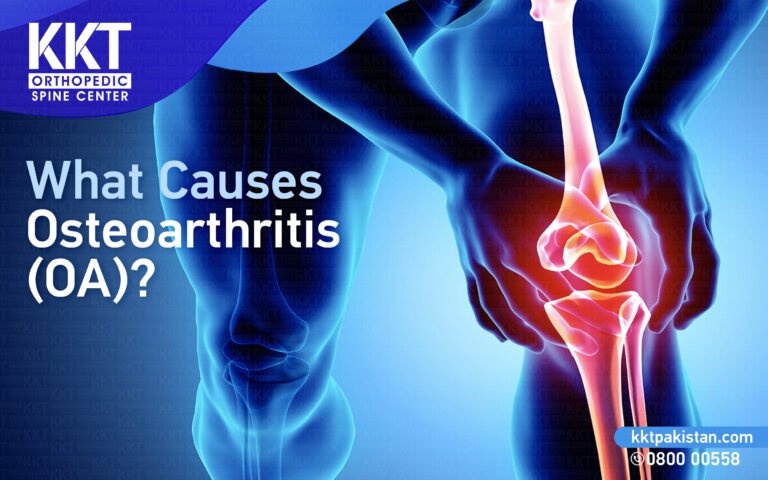
Being physically active is quite beneficial for the joints and your body. However, knee pain is very common and can affect people of all age groups. One of the common causes of knee pain is associated with the wear and tear of the joint over time or due to some injury to the knee. Wear and tear can happen due to day-to-day activities like exercises, walking, lifting or bending, etc. Knee pain and other joint-related problems are also common among athletes. No matter the knee pain reasons, it can be very exhausting and debilitating for the person affected. Common Causes of Knee Pain: Is your knee paining? Joint or knee pain affects several people due to various different reasons. As mentioned earlier, knee pain is most commonly caused due to aging, stress on the joints, or overtime wear & tear. Following are some of the most common knee joint pain causes: Arthritis: Osteoarthritis Rheumatoid Arthritis Knee Injuries 1. Arthritis: Arthritis is a joint-related condition causing swelling, inflammation, and tenderness in one or more joints. Stiffness and pain in the joints are common symptoms of arthritis. It is also one of the common knee swelling causes. There are two most common types of arthritis; Osteoarthritis (OA) & Rheumatoid Arthritis (RA). One of the common knee pain causes in young adults includes osteoarthritis. Yes, this type of arthritis can affect people at a young age. Moreover, being an athlete or obese also increases the risk of OA. – Osteoarthritis: It is one of the most common types of arthritis. OA occurs when the cartilage between the joints either breaks down or it wears off. This causes the bones to rub together within the joint. Some symptoms of OA include the following: Pain in the affected joints Stiffness in the joints is common after waking up or being inactive. Tenderness on applying light pressure to the joint/near it. Loss of flexibility & decreased range of motion. Swelling in the joint caused due to soft tissue inflammation. – Rheumatoid Arthritis: RA is an inflammatory and autoimmune disorder. Meaning, that by mistake healthy cells in your body are attacked by the immune system. This causes inflammation in the affected parts of the body. RA typically affects the joints, usually more than one joint. It commonly affects the joints in the knees, hands, and wrists. Common symptoms of RA include the following: Pain and stiffness in more than one joint Swelling and tenderness in more than one joint Fever Weight loss Weakness and fatigue 2. Knee injuries: Performing repetitive motions can cause overuse injuries and is one of the causes of knee pain. Sprains, strains, or tears are also included in injuries to the knee. Remedies for knee pain: Following are some of the common activities that can be done for the pain in the knee joint: Rest Use ice pads Elevate your knee Perform strengthening exercises Preventing knee pain: In order to prevent knee pain & injuries: Don’t perform exercises if you feel pain in your knees Gradually make your workout intense not suddenly. Before and after any physical activity, stretch your legs. When to seek medical attention? In case of pain, consult your nearest KKT Orthopedic Spine Center. We have 8 operational centers in major metropolitan cities across Pakistan (Lahore (Johar Town/DHA), Karachi, Rawalpindi, Faisalabad, and more). For booking an appointment, click on the link below:
Diabetes and Joint Pain: What’s the connection?

Joint pain is quite common with increasing age, but are you experiencing joint pain with diabetes? Knee or joint pain is not unusual among people with diabetes. According to the Arthritis Foundation, there is a lot in common between diabetes and arthritis. Diabetes is a condition in which the human body doesn’t either produce enough insulin or use it accurately. Over time nerve damage caused due to diabetes can also affect the joints. This article will shed light on the connection between diabetes and joint pain. Diabetes and Joint Pain: What’s the connection? As mentioned earlier, diabetes is a condition in which either: The body doesn’t produce insulin Doesn’t produce enough insulin Insulin isn’t being utilized properly But can diabetes cause joint pain? High blood glucose can cause several complications; it can damage the blood vessels nourishing the nerves. Long-term high blood sugar levels can cause significant damage to the nerves, a condition also known as diabetic neuropathy. This condition can also affect/damage the joints. Not only joint pain, diabetes’ link with OA has also been reported by some studies. It also shows that diabetes mellitus (DM) can play a role in worsening the symptoms and increasing the severity of OA. All about Joint pain: Joint pain is quite common among people with diabetes, however, also has various other causes. Some of the common causes of joint pain include the following: Osteoarthritis Rheumatoid arthritis Injuries Symptoms: Following are some of the changes you might feel in your joints: Joint stiffness Swelling Redness Reduced range of motion Tenderness Prevention: Diabetes is closely linked to increased body weight, which also increases the risk of OA. As excess weight puts more pressure on the joints. Maintaining a healthy weight and practicing regular exercises can help reduce the risk of type 2 diabetes and OA. When to seek medical attention? Osteoarthritis is one of the most common types of arthritis (joint-related disease). And about half of adults with diabetes also have arthritis (Arthritis Foundation). Similarly, people with arthritis are at a higher risk of developing diabetes compared to people without this joint disease. KKT Orthopedic Spine Center offers revolutionary non-surgical Canadian Technology Orthopedic Treatment. Around 18 various spine, muscle, and joint-related ailments are treated here. For booking an appointment, get in touch with us through our patient care line. Toll-Free Number: 0800-00-558
The Best Rotator Cuff Exercises & Stretches

A rotator cuff is basically a group of muscles and tendons. The overtime progressive wear and tear of the tendon tissue often causes rotator cuff injury. This condition is a common type of overuse injury caused due to overhead repetitive motions. Rotator cuff injury due to overuse is common among athletes (in overhead sports like baseball, tennis, golf, etc.). Performing exercises and stretches can play a significant role in improving flexibility, strength, and mobility. Common symptoms of rotator cuff injury include the following: Dull ache Reduced range of motion; difficulty performing tasks like brushing hair or reaching behind your back. Pain at night & rest Weakness in the arm, e.g., while lowering or lifting it Cracking sensation. Rotator Cuff Exercises: Following are some of the best exercises or stretches for rotator cuff injury: – Pendulum Swing: To perform the stretch, follow the below-mentioned steps: Find a stable object like a table or a counter for support, place your one hand on it and lean forward. Let the other/affected arm hang freely to the side. Gently start swinging freely hung arm, backward and forward. Repeat the exercise but this time move your arm from side to side Repeat it again while performing the circular motion. Perform this sequence on the other arm as well. – Cross-arm stretch: To perform the stretch, follow the below-mentioned steps: Relax your body, specifically the shoulder, and bring one arm across the chest while holding onto the upper arm (with the other arm). Hold this stretch for about 30 seconds and relax for an equal time duration. Repeat the same stretch on the other arm. Perform the stretch about four times on each side. – Sleeper stretch: Follow the below-mentioned steps to perform the stretch: Lie down on a flat surface with the affected arm under you. In order to get comfortable, you can place a pillow under your head. Bring out the elbow straight from the shoulder. Bend your arm from the elbow with fingers pointed towards the roof, i.e., arm in the L shape. Use your other arm to push the affected arm down from the forearm toward the floor. But stop pressing down when you feel the stretch in the arm, the back of your shoulder, or, the upper back. Hold the stretch for about 30 seconds and relax the arm for an equal amount of time. Perform this stretch about three to five times. Importance of Rotator Cuff Exercises: Rotator cuff exercises play a significant role in preventing as well as treating injuries. Stretches and exercises for the rotator cuff help improve flexibility and strengthen the muscles. When to seek medical attention? In case you feel or experience any of the following symptoms, book your consultation with KKT Orthopedic Spine Center: Swelling Pain & deep aches The problem with raising the arm KKT offers revolutionary non-surgical Canadian Technology Treatment for various spine-related ailments as well as rotator cuff injuries. For booking an appointment, get in touch with us through our patient-care line. Toll-Free Number: 0800-00-558
What causes Rheumatoid Arthritis?

Rheumatoid arthritis (RA) is an autoimmune disorder mainly affecting the joints. It occurs when your body’s immune system targets the thin layer of healthy tissue lining the joints. Rheumatoid arthritis usually affects the joints but inflammation caused by it can affect other organs as well. This joint-related condition causes several issues like pain, fatigue, etc. The question is what causes rheumatoid arthritis? The exact reason RA occurs is unknown, however, there are several risk factors. Rheumatoid Arthritis: Risk Factors: Some of the factors that can increase the risk of RA include the following: 1. Age: The risk of developing RA increases with age, however, it can affect at any age. People in their 60s have the highest onset of RA. 2. Lifestyle exposure & the environment: The risk of rheumatoid arthritis may increase in adulthood due to various exposures at an early age. Toxic chemical exposure may also add to the risk of you developing RA. 3. Gender: This joint-related condition is more common among women compared to men. 4. Obesity: Obesity or excess weight people are at a higher risk of developing RA, especially for people under 55. 5. Smoking: Smoking results in a higher risk of RA especially if the person’s genes make them more likely to. Moreover, smoking can also make the condition worse. 6. Family history: If someone from your family has RA, you may also be at a higher risk of developing the condition. Rheumatoid Arthritis: What are the symptoms? Early signs of rheumatoid arthritis include the following: Fatigue; feeling tired is one of the early symptoms a person comes across due to RA. Slight fever Stiffness Weight loss Pain, swelling, and tenderness in the joints Other signs of rheumatoid arthritis include: Pain, stiffness, or aching in more than one joint. Weakness Same symptoms on both parts (e.g., both knees or both hands) How is Rheumatoid Arthritis diagnosed? Diagnosing RA involves diagnostic tests like radiology and blood test (e.g., RA factor). What is RA Factor? It is a kind of blood test that measures rheumatoid factors (proteins produced by the immune system that can attack healthy cells) in the blood. At KKT Orthopedic Spine Center, diagnosing RA involves: An intensive background history Detailed physical examination Diagnostic tests Why KKT? KKT offers revolutionary non-surgical Canadian technology treatment for spine-related ailments. KKT treatment plays a vital role in realigning the spine back to its original position eventually eliminating pain and other issues that occurred due to misalignment of the spine. For booking an appointment, click on the link below.
Frozen Shoulder: Symptoms & Causes

Frozen shoulder also known as adhesive capsulitis, is one of the common causes of shoulder pain and stiffness. This causes difficulty in moving the arm, therefore, reducing the mobility of the shoulder. The frozen shoulder affects the shoulder joint (the ball and socket joint), i.e., one of the most mobile joints in the human body. Symptoms of frozen shoulder(s) develop slowly and get worse over time. Symptoms of Frozen Shoulder: Frozen shoulder signs and symptoms develop over time in three stages; freezing, frozen, and thawing. 1. Freezing stage: What are the first signs of frozen shoulder? The freezing stage is the initial/beginning stage of a frozen shoulder. It is when the shoulder becomes stiff and causes pain when moving. The pain may get worse with time and at night. The freezing stage lasts from six weeks to nine months. The shoulder’s range of motion is limited during this time. 2. Frozen stage: This is the second stage of a frozen shoulder where the pain might get better but stiffness worse. A stiff shoulder makes it difficult to perform various routine activities. The frozen stage lasts for about four to twelve months. 3. Thawing stage: The shoulder stiffness begins to get better. The thawing stage lasts about 5 to 24 months. Risk factors of Frozen Shoulder: What is the main cause of frozen shoulder? One of the major causes is not moving the joint for a longer period (due to surgery or injury). Some other factors may also increase the risk of developing a frozen shoulder. These factors include the following: – Age and gender: People in their 40s to 60s are at a higher risk of developing frozen shoulder(s). When it comes to gender, women are at a higher risk compared to men. – Diabetes: Frozen shoulder occurs in 10% to 20% of people with diabetes mellitus. If you have diabetes, the risk of a frozen shoulder occurring increases. Among diabetics, shoulder stiffness occurs for a longer period before the thawing stage. – Shoulder injury, e.g., rotator cuff injury: An injury to the shoulder like a rotator cuff injury leading to restricted movement of the shoulder increases the risk of a frozen shoulder. – Other health conditions: Some other health-related conditions include stroke, hypertension, hypotension, Parkinson’s disease, and heart disease. Movement of the arm and the shoulder are limited/restricted with a stroke, therefore, increasing the risk of frozen shoulder. Preventing Frozen Shoulder Symptoms: One of the major risks of a frozen shoulder is limited/restricted shoulder movement after surgery/injury. To prevent this, consult your physician regarding exercises that can be performed. How to cure frozen shoulder quickly? There are several non-surgical methods to treat frozen shoulder(s) at home. Following are some of the exercises for treating adhesive capsulitis: – Finger walk: Follow the steps mentioned below: Stand in front of a wall, facing it and with about 3 quarter arm distance away. At the waist level, reach out and touch the wall with the fingers of the affected arm/shoulder. Slowly walk your fingers up the wall with your elbows slightly bent. Keep going until your arm reaches your shoulder level or till the point, you easily can. Make sure that the walk is being done by the fingers and not the shoulder muscles. Slowly lower your arm and repeat. Perform finger walks ten to twenty times a day. – Cross-body reach: Follow the below-mentioned steps: Sit/stand, and use the unaffected arm from the elbow to lift the stiff arm/shoulder. Gently bring it up and across your body. Exert gentle pressure, stretching the shoulder. Hold the stretch for about 15 to 20 seconds. Repeat this up to 10 to 20 times a day. When to seek medical attention? In case of increased pain in the shoulder, consult a physician. KKT Orthopedic Spine Center offers revolutionary non-surgical treatment for rotator cuff injury and other spine-related ailments. Book your appointment with KKT and get relief from your pain without any surgery. KKT Pakistan has highly qualified orthopedic consultants in Lahore, Karachi, Peshawar, and other metropolitan cities across Pakistan. For booking an appointment, click on the link below.