Exercises for Spinal Stenosis to Avoid

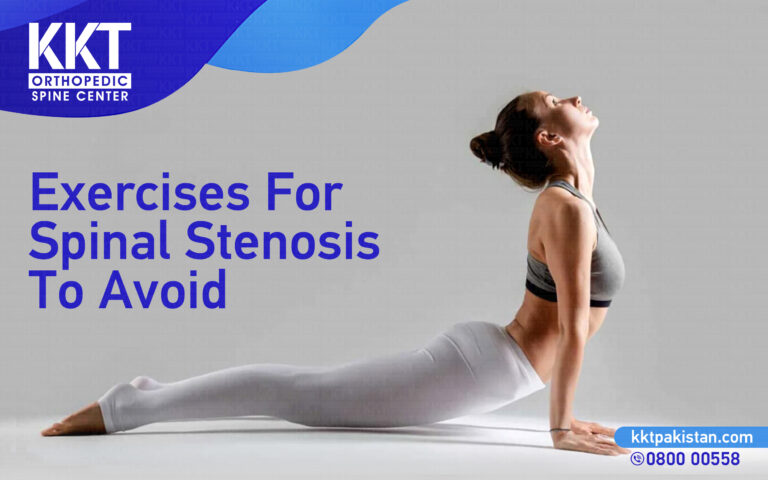
Our body’s way of informing us that something is wrong is through pain. When back pain occurs our first instinct is to get some rest and use painkillers to reduce the ache somehow. For any musculoskeletal disorders, being physically active is highly recommended. Spinal stenosis is one of the spine-related conditions which occurs when the spine begins to narrow. This ultimately puts pressure on the spinal cord and nerve roots. People suffering should avoid certain exercises for spinal stenosis. This is why one should know that inflammation, pain, or other neurological symptoms might get worse. Several factors can lead to the narrowing of the spinal column. These can include injuries, and inflammation in discs and ligaments, therefore, compressing the nerves. Living with spinal stenosis comes with several symptoms including: Spinal Stenosis Exercises & Activities to Avoid: What can make spinal stenosis worse? Some of the activities or exercises for spinal stenosis to avoid include the following (but are not limited to): – Excessive Back Extension: Standing back stretches or extensions are one of the most common stretches people opt for after sitting for prolonged periods of time. Back extension(s) is the stretch that involves standing up straight, placing your hands on your hips, and leaning backward (as far as possible). This type of stretch helps the spinal cord but, in most cases, it can result in symptoms like pain. Try avoiding back extension exercises in order to avoid symptoms like numbness or more pain. – Long walks or runs: Running is one of the high-impact exercises causing a repetitive impact on the spine. This can lead to worsened back pain and other spinal stenosis symptoms. Moreover, long walks can also cause a stain on the leg or back muscles. Taking long walks over long distances can also exacerbate back pain. Instead, try short walks with increasing the pace in a modest manner. – Prolonged bed rest: Laying down on a bed with back pain is tempting, however, too much rest can put further strain. Staying physically active may help in reducing pain and improving quality of life. – Certain contact sports: Being physically active is good but avoid exercises or sports with sudden impact/contact. These sports might include, football, martial arts, soccer, etc. Sports like these are some examples where healthy physical activity can cause a sudden tear. When to seek medical attention? KKT offers revolutionary non-surgical Canadian Orthopedic Treatment for various spinal ailments, including back pain, neck pain, and spinal stenosis. For booking an appointment with KKT orthopedic consultants, click on the link below.
Facts about Whiplash Injury you should know

Whiplash injury is one of the common reasons behind chronic neck pain. It occurs due to sudden neck movement or bending forcibly (head thrown forward-backward). This neck-related injury involves discs, nerves, muscles, and neck tendons. This can lead to headaches, neck pain, and related symptoms. Even though you might have heard about this condition, there are some facts about whiplash you should know. What are the symptoms of Whiplash? Some of the whiplash injury symptoms of this condition include the following: Facts about Whiplash Injury: It can occur at any time due to various reasons. Other causes of this condition can include sports like football, and boxing, or due to a fall or slip. Moreover, physical abuse can also lead to this neck-related injury. Some of the facts include the following: – Symptoms of whiplash are not immediate: Sometimes people don’t feel symptoms of whiplash for days or even weeks after the accident. The most common symptoms of this condition include neck and shoulder pain. These symptoms will develop over the span of a few days/weeks. Other symptoms include the following: – Women are more likely to experience whiplash than men: Several factors affect the symptoms of whiplash, their severity, or their length. These factors include your age, gender, posture, and physical condition. As you age, your neck muscles lose strength and flexibility. Women experience whiplash injury more compared to men, statistically. The primary reason behind this is the smaller neck bones in women. Moreover, this condition can be worsened due to incorrect posture during the accident. – Elder people are at a higher risk of suffering from whiplash: As people age, they experience decreased muscle flexibility, limited movement, etc. Moreover, older people are more likely to suffer from a whiplash injury due to several degenerative changes, arthritis, etc. – Whiplash injury doesn’t always occur due to a car accident: A car accident isn’t the only reason/cause of whiplash injury. This injury is associated with abnormal neck motion causing a strain or damage to the neck muscles. Some other causes of this injury include the following: When to seek medical attention? In case of neck or back pain, kindly get in touch with KKT Orthopedic Spine Center. For booking an appointment at your nearest KKT center, click on the link below:
What causes Sciatica to Flare up?

Sciatica is one of the common reasons behind lower back pain. This condition also includes the major symptom of sciatica pain, i.e., radiating pain down the leg. Sciatica causes pain along the sciatic nerve pathway. This can occur due to the pinched nerve in the lumbar spine. It can be caused because of a slipped disc, degenerative disc, or other disc-related issues. Pain flare-ups are common with a pinched nerve. This article comprises of causes behind sciatica flare-ups and ways to prevent them. What causes Sciatica flare-ups? There are several reasons behind sciatica flare-ups including prolonged sitting, lifting heavy objects, wearing heels, excessive weight, etc. Along with these pressure on the sciatic nerve and stress can also lead to sciatica flare-ups. Some of the reasons behind sciatic nerve pain can be: Other causes of sciatica: Some of the other common sciatica causes include the following: Slipped discs or herniated discs are more common in the lower back. Along with all of this, a herniated disc is the most common reason behind sciatica flare-ups. Ways to prevent sciatica flare-ups: To avoid sciatica flare-ups, the following tips might help: – Avoid sitting for prolonged periods: A prolonged sitting or sedentary lifestyle is one of the major reasons behind sciatica flare-ups. Sitting can put excessive pressure on the spine, therefore, significantly causing lower back pain. To relieve pain, take a break after about every 20 minutes of sitting. Moreover, stretch or take a short walk. Increased pressure on the spine can worsen the underlying condition. To reduce the pressure, use a lumbar pillow or rolled-up towel, and also keep your feet flat on the floor. This leads to minimal pressure on your lower spine. Moreover, try avoiding activities that may increase sciatica pain, e.g., bending, twisting, or lifting heavy objects. – Follow a regular exercise routine: Strengthening your back/lower back and abdominal muscles can help in preventing sciatica flare-ups or reduce the pain frequency. However, if exercises are performed improperly it can cause further damage to the already existing condition. This is why consult your healthcare provider before starting any exercises/stretches. – Maintain a proper posture (Walking, sitting, standing, etc.,): Sciatica is caused due to compression on the sciatic nerve. Improper posture can put excessive pressure on the disc, therefore, irritating the nerve. Following are some of the tips for maintaining a proper posture (sitting, standing, sleeping, etc.): – When lifting objects, practice a proper posture: Maintain a proper posture when lifting objects including heavy items, a toddler, or even groceries, etc. When bending, use your legs instead of using your back. Moreover, when holding something heavy, try not to bend your upper body. When to seek medical attention? There are a couple of remedies for immediate relief of sciatica pain, e.g., ice & heat therapy, stretches, etc. In case of increased sciatica pain, contact your nearest KKT Orthopedic Spine Center. For booking an appointment, click on the link below:
Fibromyalgia Symptoms in Females

Fibromyalgia is a condition that causes pain, tenderness, and fatigue all over the body, also known as, widespread pain. People suffering from fibromyalgia have a heightened sensitivity toward pain. However, symptoms for this condition vary among people. Compared to men, fibromyalgia symptoms in females are different, for instance, pain is worse in females. But what are usually the first signs of Fibromyalgia? Some of the common symptoms of fibromyalgia include the following: Persistent pain Fatigue Heightened sensitivity to pain Trouble sleeping Numbness or tingling in the extremities What causes Fibromyalgia? The causes of fibromyalgia aren’t completely known/understood. This condition is often triggered due to physical or emotional stress. According to some research, women are more likely to suffer severe pain because of an increased risk of anxiety, depression, and other mental health issues. Some of the possible triggers of fibromyalgia include the following: Car Accident An infection A serious injury Hormonal changes, e.g., during pregnancy Medical conditions like arthritis. Fibromyalgia symptoms in Females: Symptoms of fibromyalgia in men and women differ. Compared to men, women suffering from fibromyalgia may experience more pain/symptoms. There are several different symptoms of fibromyalgia in women. The intensity of pain among women is also higher than among men. Following are some other different fibromyalgia symptoms in females: – Increased menstrual pain with fibromyalgia: Symptoms of fibromyalgia might get worse in women during the menstrual phase. Moreover, menstrual cramps or pain are also worse with the condition. – Intense pain and tender points: Fibromyalgia is often described as dull or deep pain radiating from muscles to others parts of the body. This condition affects all parts of the body. Interesting thing is that pain is felt among both males and females differently, the intensity of pain is higher in women. Along with intense and widespread pain, this condition also causes tender points. These are some specific areas, usually near the joints. Tender points hurt when touched or pressed and are more sensitive among women. Some of the major tender points identified include the following: Back of the head Front of the neck Insides of the knees Outside of the elbows The area between the shoulders Upper buttock There are about 18 total tender points, however, there are at least two more tender points in women compared to men, on average. – Some other Fibromyalgia symptoms: Other common symptoms of fibromyalgia include the following: Headaches, including migraines, ultimately cause vomiting and nausea. Sensitivity to bright lights, loud sounds, etc. Difficulty in remembering or concentrating Irritable bowel syndrome (IBS) Depression and Anxiety When to seek medical attention? Discuss your symptoms with your healthcare provider if they start to affect day-to-day activities. Fibromyalgia pain can be managed and patients can spend a healthy, active life. Changes in lifestyle have also been effective in managing symptoms of fibromyalgia. Get in touch with KKT Orthopedic Consultants in Lahore, Karachi, Rawalpindi, and other KKT centers across Pakistan for specialized assessment. KKT offers non-surgical treatment for spine-related ailments, back pain, and neck pain. For booking an appointment, click on the link below.
Neck Arthritis: Exercises to Avoid

One of the reasons behind neck pain can be neck arthritis. This is a joint-related condition causing swelling and inflammation in one or more joints. But what causes arthritis in the neck? Neck arthritis occurs due to damage to the facet joints or disc(s) in the cervical spine/neck. Arthritis in the neck and headaches have a close connection. One of the osteoarthritis in the neck symptoms includes a headache. There are several exercises that can help with neck arthritis, strengthen the muscles and therefore, reduce the pressure. However, along with being beneficial, there are some neck arthritis, exercises to avoid. Please note that only some exercises are to be avoided not all exercises. Depending on the severity and cause of the neck pain, exercises might help. Note that don’t perform exercises without an expert’s opinion or instructions. Neck Arthritis: Exercises to Avoid Several things can result in an increase in neck pain. Even by looking up and activities involving holding your head in the same position for prolonged periods of time. Neck pain can occur due to several different reasons like cervical radiculopathy, osteoarthritis in the neck, or muscle spasms. Arthritis in the neck can cause headaches. Coming to the exercises for neck arthritis; any exercise that puts a strain on your neck and muscles around can result in increased pain or other neck arthritis symptoms. With an arthritic neck; exercises to avoid may include the following: Sit-ups: People are attracted to sit-ups because it engages the core muscles. Sit-ups help with reducing lower back pain. However, if sit-ups aren’t done properly, performing them can result in back and neck pain instead. Posture during this exercise plays a significant role. Incorrect posture can put excessive pressure on your arthritic neck resulting in neck pain. Therefore, don’t perform the exercise until or unless prescribed or instructed by your healthcare provider. Bridges: This exercise involves lying on the back with feet, neck, and shoulders on the ground while hips off the ground. Bridges are good for engaging the core and thigh muscles however, put pressure on the neck. This can exaggerate the neck arthritis symptoms, therefore, avoid bridge exercise. Overhead press: Also known as the military press involves pushing weight overhead at your shoulder height. Overhead press can be performed during both sitting and standing. This type of exercise can be problematic for people suffering from neck arthritis and can cause a lot of pain. Neck Arthritis: Exercises to perform Some of the common exercises can be beneficial for neck arthritis. Restrain from exercising if you have severe pain in the neck or weakness in your arms or hands. Following are some of the simple exercises for the neck: Head tilt: For performing this stretch, sit on a chair or stand and follow the below-mentioned steps: Now slowly and gently tilt your head towards your left shoulder without moving the shoulder upwards. Hold this position for about 5 to 10 seconds and come back to the initial position. Repeat the same on the right side as well. Repeat the entire thing about 5 times. Chin tucks: For performing this stretch, either sit or keep standing but maintain a proper posture. If you have trouble maintaining balance, it is better to sit down for performing the stretch. Follow the steps mentioned below: Slowly tilt your head forwards/inwards resting the chin on your chest. Gently tense your neck muscles. Hold this position for about 5 to 10 seconds and come back to the initial position. Repeat this stretch at least 5 times. Shoulder rolls: Along with neck stretches, shoulder stretches also strengthen the neck muscles. To perform shoulder rolls, perform the steps mentioned below: Choose either between sitting or standing with feet shoulder wide apart. Now in a smooth motion, move your shoulder up, back, and down. Repeat this 5 times. Then reverse the motion, i.e., up, forward, and down. Repeat it 5 times as well. Summary: Neck pain can be caused due to several conditions. KKT Orthopedic Spine Center offers revolutionary non-surgical treatment for spine-related ailments including neck pain and arthritis. In case of back or neck pain, book your appointment with highly qualified KKT orthopedic consultants in Lahore, Karachi, and other operational centers in Pakistan. For booking an appointment, click on the link below:
5 Things to know about Cervicogenic Headaches

Headaches can relentlessly ruin your daily routine and affect your day-to-day tasks. There are several different types of headaches for various reasons. A headache caused due to a problem in the neck or cervical spine is probably a cervicogenic headache. The underlying problem of cervicogenic headaches is dysfunction in the neck muscles, joints, or ligaments. Cervicogenic headache symptoms include the following: Pain on one side of the face/head Neck Stiffness Headache due to certain neck movements What causes Cervicogenic headaches? Neck pain headaches occur because of excessive pressure on the cervical spine. It can happen due to changes in the neck as a consequence of an incorrect posture. Moreover, lifestyle activities like repetitive movements or prolonged sitting can cause the problem. Several other cervicogenic headache causes include the following: Whiplash injury Sports-related injury Arthritis Compressed nerve 5 things to know about cervicogenic headaches: With a neck problem, performing exercises might be tempting. However, with cervicogenic headaches, exercises should be performed with a proper expert’s opinion. Following are the five things one should know about cervicogenic headaches: 1. The reason behind this headache lies in the cervical spine: The most common reason behind cervicogenic headache is injury (whiplash) to the neck. Cervicogenic headache can be caused due to pinched or compressed nerve, strain, or arthritis of the neck. 2. This headache doesn’t feel like other headaches: Cervicogenic headaches occur on only one side of the head starting from the back of the head. One of the significant differences between cervicogenic headaches and other types of headaches is that this type originates from the neck. 3. Your work ergonomics may be the one to blame: Whiplash injuries, accidents, or falls aren’t the only reasons behind a cervicogenic headache. Slouching/strain due to the work desk and chair could also cause a headache. Sitting on a desk for too long can bring on a cervicogenic headache as well. 4. Got an old mattress or pillow? Get rid of it now! Sleep is supposed to be the time when your body can rest. Now using the correct pillow and mattress can be a way to prevent cervicogenic headaches. Placing the right pillow/cushion in a way that aligns the neck with your back along with the proper sleeping posture is essential. Replace your old mattress and pillow, they might also be causing you pain. 5. KKT treatment might help! No Pain | No Drugs | No Surgery KKT offers revolutionary noninvasive orthopedic treatment for spinal ailments. Now people suffering from back and neck problems have a non-surgical treatment option. KKT also offers treatment for cervicogenic headache(s) under the supervision of highly qualified orthopedic consultants. Following are some of the positive impacts of KKT treatment on spinal health: Improves the overall body posture Reactivates the body’s self-healing process Strengthens the muscles, joints, and ligaments that support the spine Keeps the body in perfect alignment, maintaining the spine’s natural curvature In case of spine-related issues, book an appointment with KKT orthopedic consultants in Lahore, Karachi, Rawalpindi, and centers in other metropolitan cities across Pakistan.
What causes Osteoarthritis?

One of the most common types of arthritis is Osteoarthritis (OA). It is a degenerative joint-related condition – wear and tear arthritis. Osteoarthritis is caused due to breakdown of the cartilage and can affect any joint. However, OA usually affects the knees, spine, fingers, and hips joint. This type of arthritis is more common among older people. But the question is what causes osteoarthritis? Before that let’s learn some of the most common osteoarthritis signs and symptoms. Symptoms of Osteoarthritis: Common osteoarthritis symptoms include the following: Joint pain gets worse when using the joint and gets better with rest. Stiffness and swelling in the joints Limited range of motion Changes in the joint appearance What causes Osteoarthritis? Osteoarthritis (OA) is more common among older people (occurs over time). There are certain factors that may increase the risk of osteoarthritis. Some of the risk factors of OA include the following: – Aging: This joint disease is more common among older people, however, can also affect young people. The risk of OA increases with age. – Being overweight: Excessive weight or being overweight puts more pressure on the spine and joints. Especially on the weight-bearing joints like hips and knees. It, therefore, promotes damage to the cartilage. This is why obesity increases the risk of OA. – Injury or overuse of the joint: Repetitive stress on the joint and knee bending can cause damage to the joint, therefore, increasing the risk of OA. – Family history of the disease (OA): People with a family history of OA have a higher risk of developing this particular joint disease. – Gender Comparatively, women are more likely to develop OA than men. Osteoarthritis Prevention: Altering some factors in life may help in preventing joint-related problems. Putting lesser stress on your joints can reduce the risk of OA. Following are some of the preventive measures for OA: – Healthy body weight Maintaining a healthy body weight can be pretty important for the prevention of osteoarthritis. As mentioned earlier, obesity increases the risk of developing OA. – Be physically active: Exercising regularly is one of the best ways to prevent joint-related disorders. Being physically active and exercising strengthens the muscles. Consult with your physician for safer exercises for you. – Pay attention to your pain! In case of pain in your joints after exercise, rest your joint and perform ice therapy. Consult with your healthcare provider for exercises safer according to you. When to seek medical attention? If you have joint or knee pain that doesn’t go away, book an appointment with KKT Orthopedic Consultants today. KKT offers revolutionary non-surgical treatment for various spinal ailments. With operational centers across Pakistan and highly qualified orthopedic consultants in Lahore, Karachi, Rawalpindi, and more. For booking an appointment, click on the link below:
Best ways to treat Back Pain without surgery

Back pain is one of the most common spinal ailments. The spine is a vital part of the human body, it provides support to the head and upper body. Moreover, it allows a person to balance, walk, stand straight, and protects the spinal cord. There are various spine-related problems that arise among different individuals. One of the most common reasons behind missing work is back pain. There are several other spine-related conditions causing back pain. For example, muscle strain due to heavy lifting, arthritis, slipped disc, osteoporosis, scoliosis, poor posture, etc. This article contains back pain treatment; ways to relieve back pain as well as some preventions. Back pain treatment: Ways to Find Relief Back pain has several causes and reasons behind it like arthritis, slipped disc(s), etc. There are various options that can help in lower back pain relief. For instance, some home remedies, back pain relief exercises, and lifestyle changes. How to relieve back pain? Let’s explore some of the ways to treat back pain without surgery. These include: 1. Being physically active: A sedentary lifestyle or sitting at your desk for prolonged periods affects spinal health. It puts excessive pressure on your spine, therefore, leading to back pain caused due to pinched nerve or slipped disc. Therefore, contributing to back pain. This is why being physically active is necessary for spinal health. It can increase flexibility and muscle strength, hence, reducing back pain. 2. Improve your posture: Bad posture like slouching can contribute to back pain. However, taking steps to improve your posture can result in back pain relief. Proper posture includes sitting, standing, lifting, driving, as well as sleeping in the correct position. A proper posture helps with: Back and muscle pain prevention Keeps joints and bones in correct alignment Decreased risk of injury Lesser headaches Decreased tension in neck & shoulders The lesser strain on the ligaments Sleeping with a proper posture also helps with back pain as it relieves excessive pressure from the spine. Some of the tips for sleeping posture include: For back sleepers; a pillow under the knees can help relieve pressure from the lower back. For side sleepers; the pillow between the knees keeps the spine and hips straight/aligned. 3. Exercise regularly: Several exercises play a vital role in relieving back pain and improving strength. It also helps improve flexibility and endurance. Moreover, exercises stretch and strengthen the muscles that provide support to the spine. There are various exercises that help with lower back pain. Some of the exercises for lower back pain include: Child pose Double knee-to-chest stretch Partial Crunches 4. Ice & heat therapy: Lower back heat or cold therapy helps relieve tension in the muscles due to a lumbar herniated disc. There are several benefits of ice and heat therapy on the back. Benefits of heat therapy include: Increased blood flow Loosens muscle tightness Benefits of Ice therapy include: Reduced pain due to the production of anti-inflammatory and analgesic effects. Preventing Back Pain: Some of the ways to prevent back pain include the following: Avoid lifting heavy objects Perform strengthening exercises Sit and stand up straight – improve your posture! Be physically active and have a healthy diet. KKT Treatment: No Pain | No Surgery | No Drugs KKT Orthopedic Spine Center offers a revolutionary non-surgical and non-invasive treatment option for back pain. We have various operational centers across Pakistan; with qualified KKT Orthopedic Consultants in Lahore, Karachi, and all other operational KKT centers. Here, we also provide herniated disc treatment, sciatic pain treatment, and various other spine-related conditions. For further information, you can get in touch with us through our patient care line. Phone: 0800-00-558 Or click on the link below to book your appointment.
5 Simple Posture Correction Exercises

“Sit up straight”, and “Fix your posture” aren’t just annoying things told to us by our teachers and parents. There are several bad posture side effects or causes, for instance., pain in the neck or back, spinal curvature, headaches, etc. Poor posture also involves slouching or looking over the handheld devices for excessive periods of time. A sedentary lifestyle or being physically inactive might also be one of the culprits behind poor posture. Posture correction exercises play a significant role in improving posture. A proper posture is way more than just appearance it plays a vital role in improving strength, flexibility, and balance. Moreover, it also reduces excessive stress on ligaments and muscles. Poor Posture Symptoms: Some of the bad posture symptoms include the following: Rounded shoulders Headache Pain in the neck, shoulder, and back Muscle fatigue Forward head carriage Benefits of proper posture: The benefits of proper or correct posture are as follows: Increased/boosted confidence Better mood Increased self-esteem Decreased risk of injury Reduced back & neck pain Lesser headaches Decreased tension in neck & shoulders Posture Correction Exercises: Posture correction exercises have several benefits including balance, muscle strength, etc. Following are some of the exercises to improve posture: 1. Bridges: To perform a bridge exercise, follow the steps mentioned below: Lie straight on your back on the floor with your knees bent and feet flat. By engaging your core and buttock muscles, lift your hips (therefore raising your lower back and buttocks off the floor). Hold it for some seconds and take three deep breaths. Gently come back to the initial position and repeat the same steps. This exercise helps strengthen abdominal and gluteal muscles hence relieving the stress on the lower back. 2. Child Pose: To perform the child pose, follow the steps mentioned below: Sit on your shinbones on the floor with your knees together; big toe touching, and heels extended apart towards each side. Bend forward towards your hips and extend by walking through your hands on the floor. Sink your hips towards your feet (place a pillow underneath your thighs if they can’t go down). Place your forehead on the floor gently or turn your head to either side. Either rest your arms along the body or keep them extended. Breath into the back of the rib cage and waist Relax remaining in this pose for about 30 seconds and come back to the initial position gently. 3. Kneeling Hip Flexor: To perform kneeling hip flexor, follow the steps mentioned below: Initially put both of your knees on a soft surface. Then bring your one foot forward placing it flat on the floor – note to make sure that the knee is positioned with the ankle. Extend your arms towards the knee (providing support if needed). Straight up and gently lean forward into the stretch. You can feel the stretch in the rear leg (top of your thigh) and groin. Slowly come back to the initial position. Repeat the stretch about 10 times on both legs. 4. Plank: To perform a plank, follow the steps mentioned below: Start by lying on your stomach and putting your forearms against the floor. Lift your body off the floor engaging your core and balancing on your forearms and toes. Make sure to keep your spine in a neutral position (i.e., no sagging lower back or butt lifted high up). Hold this posture for about 20-30 seconds and then gently come back down to the floor. Repeat this exercise about 2 to 5 times. 5. Upper Trapezius Stretch: To perform this stretch, follow the steps mentioned below: Choose either between performing this stretch while standing or sitting. Once done, place your right hand on the opposite side of your head, and place your left hand behind your back. Now start by gently tilting bringing your head towards your right shoulder. Put slight pressure for a deeper stretch but not too much. Hold this stretch for about 15-30 seconds and repeat with the left hand. This stretch mainly stretches the neck and upper back muscles and is also helpful for people with forward neck syndrome. Seeking Medical Attention: In case of back, neck, or shoulder pain get in touch with KKT Orthopedic Spine Center, Pakistan. We provide revolutionary non-surgical treatment for various spinal ailments along with highly qualified orthopedic consultants. For booking an appointment click on the link below:
Text Neck Syndrome: Signs, causes, and Exercises for Relief

Text neck is also referred to as tech neck. It is a repetitive injury to the neck due to stress. This pain in the neck is caused due to excessive strain from using handheld devices (e.g., mobile, tablets, etc.). The forward posture when using these devices can result in backache, headache, and neck, arm, or shoulder pain. Text neck syndrome is one of the most common and ever-increasing issues these days. How can someone get a text neck? The use of mobile phone, tablets, and other handheld devices have become quite common in everyone’s life. And excessive time spent on these devices can result in neck pain. Tech neck or text neck occurs when your neck muscles strain when using the phone for prolonged periods of time. Symptoms of text neck syndrome: Following are some of the symptoms of text or tech neck: Chronic neck and shoulder pain Numbness from neck to arms Weakness in arms and hands Sharp or nagging pain in the shoulders and neck Forward-head posture Rounded shoulders Headache Decreased mobility Symptoms associated with text neck may increase due to excessive use of mobile phones or other handheld devices. Less common symptoms of text neck: Cervical radiculopathy Balance issues Ergonomics changes for text neck: Following are some of the ergonomics adjustments for text neck prevention: Take frequent breaks Practice proper posture Sit straight Raise your mobile phone Be physically active Exercises For Text Neck: Along with exercises, some lifestyle or ergonomics changes are also beneficial for text neck. Here are some of the exercises: 1. Chin tuck: To perform this text neck exercise, follow the below-mentioned steps: Sit on a chair with your shoulder back, head, and torso in an upright position. Place your two fingers on your chin. Tuck in your chin using your fingers (to keep the chin tucked into your chest). Hold it in for a few seconds. Relax and repeat at least 2 to 3 sets of 10 times each. 2. Neck stretches: To perform this neck exercise, follow the steps mentioned below: Sit up straight and keep your feet flat on the floor. Relax your arms on the sides Place your left hand on your head and tilt it towards your left arm. To deepen the stretch, apply just a small amount of pressure on your head. Hold the stretch for about 30 seconds Lift your head swiftly. Repeat the same stretch on the right side. Summary: In case you have neck pain, book your appointment with KKT Orthopedic Spine Centre, Pakistan. We have 8 operational centers across Pakistan providing treatment for various spinal ailments.