KKT Orthopedic Spine Center

Ways to keep your Spine Healthy

Back and neck pain are two conditions faced by millions of people at some point in their life. And conditions like these can take a toll on your daily activities if not treated properly in time. They directly impact the quality of life, you might face difficulty performing day-to-day tasks like job, routine activities, etc. The spine is one of the most significant parts of the human body, therefore, it is essential to keep a healthy spine. It will also help you prevent back pain later in the future. Along with a healthy diet and weight, shoes also play a vital role in spine health and provide support to the lower back. This article contains a detailed overview of how to keep your spine healthy. List of the ways to keep your spine healthy: Following are some of the ways to keep your spine healthy. 1.      Improve your posture: Maintaining a proper posture is one of the most important factors in keeping the spine healthy. Improper posture puts excessive and unnecessary pressure on the spine. This may lead to deterioration of the vertebrae at a much faster rate than natural. Moreover, improper curvature of the spine may also damage the spinal nerves. 2.     Eat healthily and maintain a proper weight: Healthy weight and nutrition play a significant role in spinal health. Include calcium and vitamin D in your diet. This helps build stronger bones and prevents conditions like osteoporosis. On the other hand, a healthy weight leads to lesser pressure on the spine. Therefore, reducing the chance of back injury. 3.     Exercise regularly: A consistent exercise regime is also important for maintaining a stronger spine. Moreover, exercises also play an important role in back injury recovery. Perform simple strengthening or stretching exercises for back pain, abdominal muscles, etc. These exercises can help circulate the nutrition where required, help in recovery, and strengthen the muscles and bones. 4.    Choose the correct posture and pillow while sleeping: Maintaining a proper posture during sleep is extremely important. Your spine requires rest while sleeping, choosing the correct pillow, mattress & posture for your back and neck allows it to do so. Following are some of the pillow placements: Put a pillow in between your legs when sleeping on your side. Place the pillow under the knees when sleeping on your back; it defines the spine curve along with support. Place a pillow under the pelvis and the head (optional) when sleeping on your stomach; it helps support the spine. 5.     Walk: Walking is one of the best kinds of exercise with several benefits to the spine. With a proper technique, it also aids in reducing sciatica and lower back pain. Following are some of the benefits of walking: It strengthens the muscles supporting the spine Increases blood flow Increases the flexibility of the lower back Helps maintain an optimal weight Strengthens the core Why is spine health important? Spine health is important as it affects day-to-day activities and overall health. The backbone or spine controls our entire bodily function, provides structural support, and maintains an upright posture. When to seek medical attention? Perform the above-mentioned ways to keep your spine and backbone healthy. These practices have several benefits and can do wonders. In case you are suffering from back pain, visit KKT Pakistan. KKT offers revolutionary non-surgical spinal Canadian Technology treatment. We have highly qualified orthopedic consultants in Lahore, Karachi, Peshawar, Rawalpindi, and other operational centers in Pakistan. Get in touch with us through our patient care line for booking an appointment.

Best Exercises for Arthritis of the Knee

Arthritis is a common joint-related condition resulting in pain and swelling. This condition gets worse with age. There are two most common types of arthritis; osteoarthritis (OA) and rheumatoid arthritis (RA). Arthritis can affect the largest joints in the human body; more common among knee joints. Exercise and physical activity with arthritis are beneficial, they strengthen the muscles and joints. How do exercises help with knee arthritis? Performing any physical activity, especially with knee arthritis, exercises might feel overwhelming. However, strength exercises for OA or knee pain can be beneficial. It can help relieve the symptoms caused due to arthritis like pain, stiffness, and swelling. Following are some of the reasons behind exercises for arthritis: Improves joint’s range of motion Strengthens muscles which ultimately help the joint absorb shock Strong muscles provide better support to the joints Healthy cartilage Aids in weight loss Maintains bone strength Improves balance What is the best exercise for arthritis knee pain? Walking is one of the best forms of exercise. It eases joint pain, strengthens leg muscles, and improves posture and flexibility. Exercises for Arthritis of the knee: 1.      Leg raises while lying down: Lie straight on the floor with your both arms on the sides and toes straight Straighten your legs, stretching the muscles, and then gently lift one leg up from the ground (several inches) Push your lower back down by tightening your stomach muscles Hold your posture for 5 seconds and slowly lower your leg. Repeat the same exercise on the other leg. 2.     Calf stretch: Perform this exercise while standing Place a chair’s back in front of you for balance Step back with your left leg, slightly bending your right leg Slowly straighten your left leg behind you, and note to press your heel against the floor. You will feel the stretch in the left leg’s calf Hold this position for about 20 seconds Repeat the same thing on the other leg. Perform it twice on both legs. 3.     Heel raises: Stand straight on the floor and use a chair’s back for support/balance. Gently lift your heels from the floor, raising up on your toes. Hold this position for 3 seconds and lower your heels back to the ground. Perform at least 10 sets of this exercise 4.    Half squat: Stand straight on the floor with feet shoulder distance apart. Stretch your arms in front of you Slowly start bending your knees till you reach a half-sitting position. If you need, hold onto a chair for balance Make sure to keep the chest lifted and back straight; avoid leaning forward. Hold this position keeping your feet shoulder distance apart for 5 seconds Then come back to the initial position slowly, 5.     Side leg raises: Place a chair in front for support and balance Stand tall, put your body weight on one leg and lift the other leg out to the side. Ensure to keep the stretched-out leg straight and muscles tensed Hold this stretch for 3 seconds and then gently lower the leg back to its initial position. Repeat the similar stretch on the other leg Switch legs after performing each step. Knee Arthritis Exercises to Avoid: What exercises are bad for arthritis? Following is the list of arthritis (e.g., osteoarthritis) exercises to be avoided, and be cautious while performing: Deep lunging Squatting Running Weight Lifting, etc Arthritis Exercises for seniors: Following are some of the gentle exercises for seniors with arthritis: Walking Water workout Chair stand Hand stretching When to seek medical attention? If you have swelling, pain, and stiffness in your joints, consult a specialist. Book your detailed consultation and specialized assessment with highly qualified KKT Orthopedic Consultants in Lahore, Karachi, and other operational KKT centers across Pakistan. Get in touch with us through our patient care line for appointment booking. Phone: 0800-00-558 Or click on the link below.

How to get rid of sciatica?

If you ever faced sciatic pain, you would understand the struggle and pain it can cause to your lower back and leg. This burning sensation and pain due to sciatica can be quite debilitating. What is sciatica & its symptoms? Sciatic pain radiates down the leg from the buttocks and lower back caused due to compression of the sciatic nerve. There are various causes behind sciatica it can be an injury, disc-related condition, or pregnancy. Being physically active can play a significant role in easing inflammation causing sciatic pain. People suffering from sciatic nerve pain can perform gentle exercises to relieve the pain. Common sciatica symptoms may include: Home treatments for Sciatica pain relief: If your sciatica pain flares up, there are a couple of home remedies that can you can perform. However, in case you can’t seem to find pain relief from sciatica, contact your healthcare physician. Some of the home remedies for sciatica are as follows: ·         Ice or heat therapy: Ice and heat therapy plays a significant role in helping with pain associated with sciatica. Place ice/heat pack on the lower back. Make sure that the icepack doesn’t have direct contact with your skin so you don’t give yourself frostbite. In order to apply an icepack, wrap it in a towel or cloth. ·         Exercises: Being physically active or performing exercises can help ease the inflammation causing sciatica pain. Physical inactivity can aggravate the pain and symptoms associated with the back and leg. This is why include exercises and stretches in your daily routine as they: Following are some of the sciatica pain exercises or stretches: –         Knee-to-chest stretch: –         Sciatic nerve glide: How to safely stretch with sciatica? Safely stretching with sciatica is extremely important. Following are some of the tips for exercising with sciatica pain. When to see a doctor? If you face any of the following sciatica pain symptoms, consult your physician as soon as possible: KKT Orthopedic Spine Center offers a revolutionary non-surgical sciatica treatment. For booking an appointment, get in touch with us through our patient care line and one of our representatives will guide you to the best of their ability. Phone: 0800-00-558

Living with Ankylosing Spondylitis

Ankylosing Spondylitis (AS) is a common kind of spine-related condition. AS is a type of arthritis that causes inflammation and stiffness in the spine. Ankylosing spondylitis is more common among teens or people in their 20s. Not only the spine but AS also affects other joints like shoulders, knees, and hips. Managing Ankylosing Spondylitis: There is a specific diet that can help in managing ankylosing spondylitis. But except diet, there are several other options as well, these include: – Maintain a healthy weight: Obesity and excessive weight put extra pressure on your joints and muscles. Therefore, maintain a healthy weight. – Consume food rich in calcium: Calcium is one of the major nutrients required for strong joints and bones. A proper diet also includes consuming vitamin-D rich foods or supplements. – Avoid smoking: Smoking makes ankylosing spondylitis damage even worse. Reasons, why smoking is bad for your health, include: It increases the risk of stroke and heart disease Makes breathing difficult It also worsens the pain of ankylosing spondylitis – Reduce saturated fat: Saturated fats and processed foods increase inflammation, so, prevent foods like this. Moreover, consume food that helps decrease inflammation—this aids in managing symptoms like joint stiffness and pain. – Exercises with Ankylosing Spondylitis: Being physically active, and staying fit, helps with the two most common symptoms of ankylosing spondylitis, i.e., pain and stiffness. Moreover, exercise helps maintain a correct posture, reduce pain, and increase flexibility. Following are some of the exercises for ankylosing spondylitis:    1.      Bridges: Bridges are to strengthen the core. To perform his exercise, follow the below-mentioned steps: Lie straight on the floor, bend your knees and place your feet on the floor. Gently lift your pelvis and lower back off the floor Hold the posture for 5 seconds and then slowly come down to the initial position. 2.     Hip & pelvis rotation: Hip and pelvis rotation helps stretch your lower back. For performing this exercise, follow the below-mentioned steps: Lie on your back straight on the floor Put your hands above your head Bend your knees and gently bend/roll them on your right side Hold the position for about 5 seconds and come back to the initial position. Repeat the same on the left side. Perform this stretch about 5 times on each side. 3.     Cardiovascular: Cardiovascular exercises like swimming and water activities are recommended for patients with AS. This is because water provides your joints with an anti-gravity environment and gentle resistance. This aids in building the cardiovascular health of the patient. Cardiovascular exercises include the following: Swimming Walking Cycling 4.    Breathing exercises: Breathing exercises can help AS patients with the usual issues encountered, i.e., trouble expanding the ribs and chest. Perform breathing exercises multiple times in a day by taking 3-4 deep breaths. The exercise should be focused on taking the air deep into the chest (inhale) and then slowly exhaling.   Precautions for people with Ankylosing Spondylitis: Patients with AS should exercise safely while following the tips mentioned below: Exercise when you are in the least amount of pain and when you are wide awake Any exercises that promote incorrect posture should be avoided Avoid any kind of high-impact exercises, e.g., running, etc. When to seek medical attention? If you have symptoms like lower back pain, and buttock pain, worse in the morning and when resting but gets better with exercising, visit your physician. Maintaining a proper posture and being physically active can help with this condition. Diagnosing Ankylosing Spondylitis: At KKT Orthopedic Spine Center, the diagnosis begins with a complete medical history, a physical exam & ankylosing spondylitis radiology. Blood examinations show signs of inflammation in the body. A proper diagnosis is made based on the sign, symptoms, and results of the diagnostic examinations. KKT offers advanced technology ankylosing spondylitis treatment in Pakistan. For further information, get in touch with us through our patient care line. One of our representatives will guide you to the best of their ability. Phone: 0800-00-558 Or click on the link below to book your appointment.

Exercises for a pinched nerve in the neck:

A pinched nerve is a spine-related condition in which the nerves get compressed or irritated in the spine. The medical term for a pinched nerve in the neck is cervical radiculopathy. A pinched nerve can occur in any part of the spine; cervical, lumbar, thoracic, etc. This condition occurs due to an injured or inflamed nerve root. A pinched nerve in the neck: Causes Excessive pressure or compression on the nerve root or surroundings can result in a pinched nerve. Following are the common causes of a pinched nerve in the neck (cervical radiculopathy): Risk factors of a pinched nerve in the neck: Cervical radiculopathy or pinched nerve in the neck risk factors include: All of these factors can increase the risk of a pinched nerve in the neck. Symptoms of Pinched nerve in the neck: Exercises for Pinched Nerve in the Neck: Is walking good for a pinched nerve in the neck? Sitting in the same position for prolonged periods of time can result in pain. This is why try to walk around your home or workplace as much as you can. Pinched nerves have several reasons behind them, from wear and tear to arthritis. Due to the pain caused by this condition, various people tend to limit their physical activities. Not being physically active can increase the risk of a pinched nerve. But don’t worry, below are some of the exercises that you can try to relieve the pain caused due to pinched nerves. 1.      Side bends: This exercise helps reduce the tension in the neck and back muscles. Following are the steps: 2.      Shoulder rolls and shrugs: The tension in the neck can be reduced by moving the shoulders. Moreover, it can also alleviate any headaches associated with pinched nerves. Follow the below-mentioned steps to perform shoulder rolls and shrugs: 3.      Child’s pose: For pinched nerves, a child pose can be quite beneficial for some people. 4.      Neck tilts/chin tucks: This exercise helps stretch the back as well as neck muscles. For doing this stretch, follow the below-mentioned steps: 5.      Head turns: This exercise aids in restoring the range of motion, however, they can feel a bit difficult the first time around. Exercises to avoid with the pinched nerve in the neck: Performing the following exercises can result in aggravating the pain: Let’s wrap up! There are several spine, muscles, and joint-related conditions that can lead to neck pain, numbness, and stiffness. If you are experiencing chronic neck pain, consult with a specialist. Treatment for a pinched nerve or at home remedies include: KKT Orthopedic Spine Center offers a non-surgical treatment involving personalized soundwave frequencies. KKT has 8 operational centers across Pakistan and centers in about 13 countries worldwide. For further information, you can contact us through the below-given number, and one of our representatives will guide you to the best of their ability. Phone: 0800-00-558 Or click on the link below to book your appointment.

Stiff Neck: Causes & Symptoms:

Stiffness in the neck can be due to several reasons including; disease related to the cervical spine or structure of the neck. Our cervical spine contains vertebrae; the building blocks of the spine. Along with muscles, ligaments, and tendons. All of them work together to provide support to the cervical spine and the head. They also allow the neck to move in different directions. A stiff neck causes symptoms like headache, shoulder pain, or/and shoulder stiffness. A stiff neck can also be a symptom of meningitis accompanied by fever and headache. If one of the neck muscles strains, or is injured it can result in a stiff neck. Stiff Neck Causes: Causes of the stiff neck are mostly associated with overused muscles and strains. Neck stiffness can cause pain ranging from mild to severe making it difficult to move the head. Cervicogenic headache with a stiff neck is also common. Severe neck pain and stiffness may have several causes. Common Stiff Neck causes: Some of the most common causes of neck pain and stiffness include the following: 1.      Strain: Even a minor strain to the neck can result in neck stiffness. This strain to the neck can occur due to: Sleeping in the incorrect position Sitting for prolonged periods of time; say on a desk The posture while using mobile phones, i.e., looking down. Sports injury or any other injury/fall Slouching while using a laptop or mobile phone 2.      Arthritis: Arthritis or cervical spondylosis of the neck can also cause stiffness. This pain in the neck and stiffness may reduce/get better when lying down. Arthritis pain can worsen while performing activities like driving or sitting for using the computer. 3.     Whiplash injury: Whiplash is an injury to the cervical spine due to sudden head jerk movement (forward and backward). Pain and neck stiffness are symptoms of whiplash injury. This injury is to the muscles, tendons, bones, or ligaments of the neck (can be all). Other common symptoms of whiplash injury include the following: Dizziness Headache Trouble concentrating Back pain Shoulder pain Memory loss 4.      Others: Some other common causes of neck stiffness include the following: Falling Sport injuries Excessive stress Anxiety Slouching Poor sleeping posture Uncommon stiff neck causes: Several uncommon conditions related to the spine can result in neck stiffness. These causes can include: – Cervical Herniated Disc: A cervical herniated disc is a spine-related condition in which the inner part of the disc slips out breaking down the outer layer of the disc. This puts excessive pressure on the nerves, compression as well as inflammation in the tissues nearby. – Degenerative disc disorder: In this spine-related condition, over time the intervertebral discs lose water content and height. This increases the pressure on the joints, nerves, ligaments, and muscles. Therefore, cervical degenerative disc results in neck stiffness and pain.   – Cervical spinal stenosis: Cervical spinal stenosis is the narrowing of the cervical spine. This compresses the spinal nerves which can result in other problems like neck pain and stiffness. – Pinched nerves: Pinched nerves in the cervical spine can be due to any condition including spondylosis and slipped disc. These conditions can lead to pain and stiffness in the neck. Moreover, the pain can also extend to the arms. When to seek medical attention? Your poor posture, improper sleeping position, or an injury to the cervical spine can also be the reason behind neck stiffness. There are several home remedies and stiff neck treatment options. In case you don’t know the cause of your neck stiffness, consult your healthcare physician. KKT Orthopedic Spine Center offers a non-surgical treatment involving personalized soundwave frequencies. KKT has 8 operational centers across Pakistan and centers in about 13 countries worldwide. For further information, you can contact us through the below-given number, and one of our representatives will guide you to the best of their ability. Phone: 0800-00-558 Or click on the link below to book your appointment.

Exercises for Lower Back Pain

Resting may be the first thing that crosses your mind with lower back pain. But exercising or being physically active may be beneficial for improving your pain as well. Bending, moving, and lifting, may not seem the right thing to do, but strengthening the lower back is. Exercises for lower back pain are pretty beneficial. They strengthen your lower back muscles and help improve your leg and stomach muscles. These muscles play a vital role in providing support to your spine. Therefore, assisting in relieving, reducing, or preventing back pain. The most common causes of lower back pain are: Strain Poor posture Lifting heavy objects What are the benefits of exercises for lower back pain? Exercises help strengthen the muscles providing support to the spine. Moreover, they also repair and stretch these muscles. Therefore, preventing the tissues from strain in the lower back. It works both ways, exercises strengthen the back, and a healthy back means: Improved posture Prevention from back pain Stable spine Improved strength Preventing injury Weakened back or stomach muscles do not provide proper support to the spine, resulting in back pain. Along with strengthening exercises, stretching is also beneficial for the back. These exercises may help in pain relief as well as lubricate facet joints with motion. Risk factors of lower back pain: Keeping the spine healthy plays a vital role in preventing lower back pain. However, several factors can increase the risk of lower back pain: Age Lack of exercise/physical inactivity Obesity or excess weight Lifting heavy objects improperly Mental health issues Smoking Strengthening exercises for lower back pain: Some of the exercises to strengthen the lower back include the following: 1.      Bridges: This exercise works on strengthening the gluteus muscle. It is the largest muscle in the human body present at the posterior aspect of the hip joint. In order to perform this strengthening exercise, follow the below-mentioned steps: Lie straight on the floor on your back Keep your knees bent and wide apart. Gradually raise your hips from the floor Note to keep the hips, shoulders, and knees aligned Hold the position for about three breaths And slowly come back to the initial position Repeat this exercise about 10 to 15 times. 2.      Planks: Aside from working on abdominal muscles, planks also focus on the arms, hips, shoulders, feet, flexors, etc. And therefore, stabilizes the entire body. To perform planks, follow the below-mentioned steps: With your back facing the roof, lie straight on the ground against your forearms and toes. Keep your shoulders and elbows aligned. Slowly lift your hips and knees off the ground, Focus on keeping the body in a straight line, no bends. Maintain this position for about 10 seconds. Slowly come back to the initial position. Repeat this 3-5 times. Gradually work from 10 seconds to 30-50 seconds. 3.     Abdominal crunches: This exercise focuses on the abdominal muscles making the core stronger. These muscles play a significant role in providing the spine with support as well as hip alignment. To perform abdominal crunches, follow the below-mentioned steps: Lie straight on the ground on your back Bend your knees and either cross your hands behind your head or on the chest. Gently, raise your head and shoulders off the ground contracting or tightening your abdominal muscles. Note that the shoulder blades should be about 1 to 2 inches off the ground Gradually come back to the initial position. Repeat the exercise about 10 times. Wrap up! Strengthening exercises have several benefits for lower back pain. Stronger back and abdomen muscles provide proper support to the spine and reduce the risk of injury. As well as exercises and stretches for lower back pain. These exercises also improve the overall function of the spine. However, always consult your physician before performing a new exercise. If you experience an increase in your pain, visit your doctor. Learn about the dos and don’ts with lower back pain here. KKT Orthopedic Spine Center offers a revolutionary non-surgical & non-invasive treatment for the victims of the spine, back, and neck-related issues. We have highly qualified orthopedic consultants in Lahore, Karachi, and other operational centers across Pakistan. We offer advanced technology lower back treatment. For booking an appointment, kindly get in touch with us through our patient care line Phone: 0800-00-558 Or click on the link below.

Knee Replacement Surgery: Side Effects

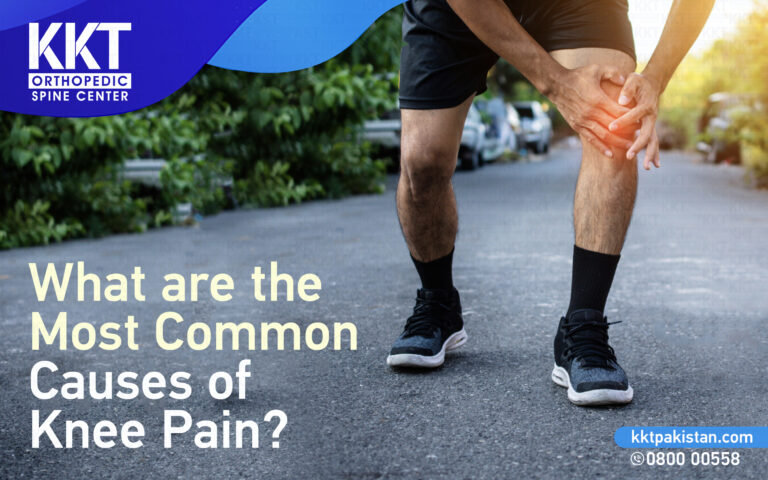
The internet can be very deceiving. If you have knee pain, it might say that you need surgery. Knee replacement surgery is a common orthopedic surgery for Osteoarthritis (it is a result of the breakdown of cartilage in the joints and bones over time). This surgery involves removing the damaged part of the knee and replacing it with prosthetic implants (metal or plastic). Arthritis damages the knee, making it hard for you to move. You can also feel pain when walking, climbing, or even sitting.   What is knee replacement surgery? Knee replacement surgery is of two kinds; total knee replacement (TKR) and partial knee replacement. Among these two types, total knee replacement (TKR) is the most common. Usually per knee, TKR lasts up to two hours. Moreover, there are various factors that are considered about what implant is being used. For instance: Your age Knee problem Level of activity Weight Previous performance of that implant Knee replacement surgery is also known as knee arthroplasty. Even though the surgery has a high success rate there are some potential side effects involved. Recovery from this surgery includes: Pain Rehab Stiffness Swelling Physiotherapy Incision marks on your body   Knee Replacement Surgery: The Side Effects/Complications Knee Replacement is a very commonly done surgery. Like every other surgery knee replacement also has some side effects and complications. Thus, some of the major complications that may occur include: – Stiffness Blood clots Severe pain Infection in the incision Peripheral nerve injury Limited implant lifespan Osteolysis (bone degeneration) A revision surgery (followed by a loosened implant) Problem with the implant Allergic reaction to the implant used Damage to the nerve Loss of motion Furthermore, anesthesia also has some side effects like potential heart, kidney, or liver damage. Blood vessels or nerves can also be damaged during the procedure. This results in weakness and numbness.     The Alternative Treatment/procedure: Every surgery comes with its baggage of pain and risks. But what if there is an alternative treatment that involved no surgery and no medication? KKT Treatment is a viable alternative for the various spine, back, neck, and joint-related (arthritis) ailments.   What is KKT Treatment? KKT Orthopedic Spine Center offers a revolutionary non-surgical orthopedic treatment via personalized sound waves. This advanced technology treatment: Helps restore body balance. Strengthens the ligaments, joints, and muscles supporting the spine. Focuses on reactivating the body’s self-healing process. Keeps your body in perfect alignment, maintaining the spine’s natural curvature. The treatment involves a combination of KKT Treatment, a specialized exercise program, and modifications in the lifestyle. Moreover, KKT Treatment has no known adverse side effects. “We care about your spine”   Why KKT? No Pain | No Drugs | No Surgery KKT Pakistan provides treatment for various spinal ailments with the most advanced technology. In addition, the treatment process primarily focuses on diagnosing the root cause of the problem. Diagnosing osteoarthritis includes X-Rays, MRIs, and CT scans. KKT diagnostic process also includes a detailed physical examination.   KKT Treatment is a non-invasive, non-surgical as well as non-medicinal procedure. This treatment focuses on relieving the pain and improving joint function by repositioning the asymmetrical spine. KKT treatment also plays an essential role in the regeneration of spinal tissues. There are a number of positive impacts of KKT treatment, for instance: – No surgical scars Treatment is painless Strengthens the joints Non-invasive treatment There are no known side effects Triggers natural tissue regeneration Keeps your body and spine in perfect alignment KKT team is dedicated to the health and well-being of patients KKT treatment is the most advanced and specialized form of treatment for spine-related problems. For further information about KKT, get in touch with us at 0800-00-558 or click here. We have operational centers in Lahore, Karachi, and Rawalpindi and in 4 other cities across Pakistan.      

Common Types of Arthritis Explained!

Inflammation or swelling in one or more joints is a common disorder also known as arthritis. This joint-related condition comprises about 100 diseases affecting the connective tissues, tissues around the joints, etc. Common signs and symptoms of arthritis include pain, stiffness, and swelling in the affected joints. There are several types of arthritis and the symptoms vary based on their kind. Types of arthritis: Symptoms: Arthritis can affect any of the joints, some of the common symptoms include the following: Pain Stiffness Swelling Redness Decreased range of motion Risk factors of the types of arthritis: In order to devise a proper treatment plan, understanding the type of arthritis is important. The following are common risk factors of arthritis: 1.      Age: The risk of arthritis increases with age like osteoarthritis (OA) & rheumatoid arthritis (RA). 2.     Gender: Type of arthritis differs when it comes to gender, for instance, RA is more common among women. However, gout is more common in men. 3.     Obesity: Excessive weight puts extra pressure on the spine, joints (especially knee joints), and the hip. Therefore, people with excessive weight or obesity have a higher risk of developing arthritis. 4.    Family history: If anyone in your family; a sibling or either of the patients has arthritis, the chances are higher that you may get it. There are some kinds of arthritis that run in family. 5.     Previous injury: If you have had any injury to the joint probably while playing sports, can increase the likely hood of developing arthritis in that joint. Common Types of Arthritis: There are about 100 different types of arthritis and conditions related to it. The question is, what are the two most common types of arthritis? OA & RA are the two most common types. Following are some of the most common forms of arthritis: Osteoarthritis (OA) Rheumatoid Arthritis (RA) Ankylosing Spondylitis (AS) Osteoarthritis (OA): This type of arthritis is a degenerative disease and is the most common type of arthritis. Osteoarthritis (OA) is the kind of arthritis related to the wear and tear of the cartilage. This condition occurs due to overuse of the joints. Excessive weight also puts extra pressure on the joints, therefore, increasing the risk of OA. The joints most commonly affected by OA are the joints bearing the most weight, i.e., hips, knees, feet, and spine. What happens with OA? Cartilage acts as the shock absorber between two bones and with OA, this slippery material breaks down. Extra weight puts pressure on the cartilage, squeezes it and with time it wears off. And therefore, leaves the bone ends exposed as there is no cushioning layer in-between the two. With no cushion between the joints, you can hear the grating sound every time the bones rub on each other. Some of the common symptoms of osteoarthritis include the following: Deep pain Pain while walking Stiffness due to rest Difficulty performing day-to-day tasks like, Combing your hair Bending Gripping Climbing stairs Decreased range of motion Hard to move Moreover, the affected joint may be warm to the touch or swollen. Rheumatoid Arthritis (RA): This kind of arthritis is an autoimmune disease. It means that the immune system starts attacking the healthy parts of the body, which in this case are the joints. This causes inflammation in the joints but can also affect the entire body. There are two most common types of rheumatoid arthritis, which include; Seropositive & Seronegative. Some of the most common symptoms of arthritis include the following: Pain in more than one joint Swelling and stiffness in more than one joint Low-grade fever Loss in appetite Swollen joints What is affected? Hands Wrists Knees Ankles Shoulders Ankylosing Spondylitis (AS): One rare type of arthritis is Ankylosing Spondylitis (AS). This type occurs in the spine usually in the lower back causing pain and stiffness. The point where the sacroiliac joint meets the pelvis is where the symptoms of ankylosing spondylitis usually begin. Some of the most common AS symptoms include the following: Pain and stiffness in the lower back, buttocks, shoulder, hips, thighs, feet, etc. Pain that gets worse in the morning Swelling in the joints Fatigue Stiffness and pain after inactivity What is affected? The most commonly affected areas with ankylosing spondylitis include the following: Shoulder joints Hip joints The joint between the pelvis and where the spine ends Lower back vertebrae The cartilage between the ribs and breastbone Common differences between the Types of arthritis: RA is the kind of arthritis that typically begins/affects the smaller joints first and is an autoimmune disorder. However, ankylosing spondylitis is the type of arthritis that affects the spine, especially the lower back. On the other hand, OA is degenerative arthritis involving the wear and tear of the cartilage. When to seek medical attention? In case you have swelling, pain, and stiffness in your joints, consult a specialist. Book your detailed consultation and specialized assessment with highly qualified KKT Orthopedic Consultants in Lahore, Karachi, and other operational KKT centers across Pakistan. For appointment booking, get in touch with us through our patient care line. Phone: 0800-00-558 Or click on the link below.

Can vitamin D deficiency cause joint pain?

Except for calcium, vitamin D is a very essential nutrient for our bones. Not just this, it also plays a vital role in aiding in the absorption of calcium as well as phosphate into the bones. Therefore, making our bones stronger. In the human body, it exists in two forms, e.g., Vitamin D2 and Vitamin D3. Its deficiency can result in brittle, soft, and weak bones, moreover, in adults, this deficiency can result in osteoporosis. Various researches show that vitamin D and rheumatoid arthritis (RA) are linked. RA is a joint-related autoimmune disorder that causes, numbness, swelling, tingling, and joint pain. To support bone and joint health, calcium and vitamin D work together. When exposed to sunlight, the human body can produce its own vitamin D. It is also essential for various other things except for bone health, which includes: Muscle Function Brain Development Immune function Along with that, vitamins can also help manage several medical conditions like RA, Type 1 diabetes, and Multiple Sclerosis (MS). The most commonly affected areas by vitamin D deficiency include the lower back, pelvis, and hips. Low vitamin D symptoms: Fatigue Bone pain Joint pain Respiratory issues Pain and weakness in the muscles Seasonal Affective Disorder (SAD) – low mood Importance of Vitamin D for joints: It has various major roles and functions in our body, for instance: 1. Healthy bones and joints: Healthy and strong bones play a significant role in protecting you from several medical conditions including rickets. 2. Absorption of calcium: Calcium as well as vitamin D play an integral role in building bones as well as keeping them strong. Weaker bones can lead to medical conditions like osteoporosis increasing the risk of fractures. There are various sources of consuming vitamin D, it can be consumed orally or via sunshine. This is then converted into active form which then promotes calcium absorption. 3. Collaboration with parathyroid gland: Parathyroid glands keep the calcium levels at a normal or optimal range in the blood. These glands are continuously communicating with the skeleton, kidney, and gut. This is why there should be a sufficient amount of calcium and vitamin D so the calcium can be put to good use and absorbed. However, due to their insufficient intake, parathyroid glands borrow calcium from the skeleton to maintain an optimal range in the blood. Sources: It can be consumed or obtained via diet or is created by the body when exposed to sunlight. Some of its major sources include the following: Sunshine Diet: Beef liver Egg yolks Mushrooms Oily fish: tuna, salmon, etc. Fortified milk or breakfast cereals Vitamin D Supplements Can you have too much vitamin D? Levels of vitamin D can exceed the normal range if too many supplements are consumed. Unlike getting it directly from the sunlight, it’s not possible to get too much of it. Toxicity due to its increased amounts is quite rare however, hypercalcemia isn’t (excessive levels of calcium). Symptoms of hypercalcemia can include: Nausea Weakness Confusion Constipation Poor appetite Increased thirst Frequent urination Preventing joint pain: As explained above, the vitamin has a huge impact on the health of bones and joints. This is why its intake is extremely important. Following are two ways to avoid its deficiency: Sunlight exposure Consume vitamin D, rich food or supplements Below mentioned are some of the ways to reduce or prevent joint pain: Get a massage Physical therapy Exercise regularly Home remedies: Ice and heat therapy Follow a balanced and healthy diet When to seek medical attention? In case of increased joint or knee pain, consult a specialist. KKT Orthopedic Spine Center offers a Canadian Technology-based orthopedic treatment. This treatment primarily focuses on the diagnosis and treatment of patients suffering from spinal ailments, and chronic back, and neck pain. Find further details of KKT Pakistan here. Additionally, you can contact us through the below-given number. One of our representatives will guide you to the best of their ability. Phone: 0800-00-558 For booking an appointment, click on the link below.