
Table of Contents
- Introduction
- Tailbone Pain
- Causes of Tailbone Pain
- Conditions That Can Be Mistaken for Tailbone Pain
- Natural Ways to Relieve Tailbone Pain
- Self-Care Techniques for Tailbone Pain
- When to See a Doctor
- Specialized Spinal Care for Tailbone Pain at KKT Pakistan
- Conclusion
- FAQs
Introduction
Tailbone pain, medically referred to as coccydynia, is a localized condition that affects the base of the spine and can significantly interfere with sitting, posture, and daily movement. It is commonly reported among individuals who spend long hours sitting, women after childbirth, and people with sedentary routines or repetitive strain on the lower spine.
Even mild tail pain can gradually intensify if not addressed early. The coccyx plays a key role in supporting body weight while sitting, and any dysfunction in this area can lead to persistent discomfort. Early attention to the reason for tailbone pain and timely intervention helps reduce inflammation, restore mobility, and prevent long-term irritation.
Tailbone Pain
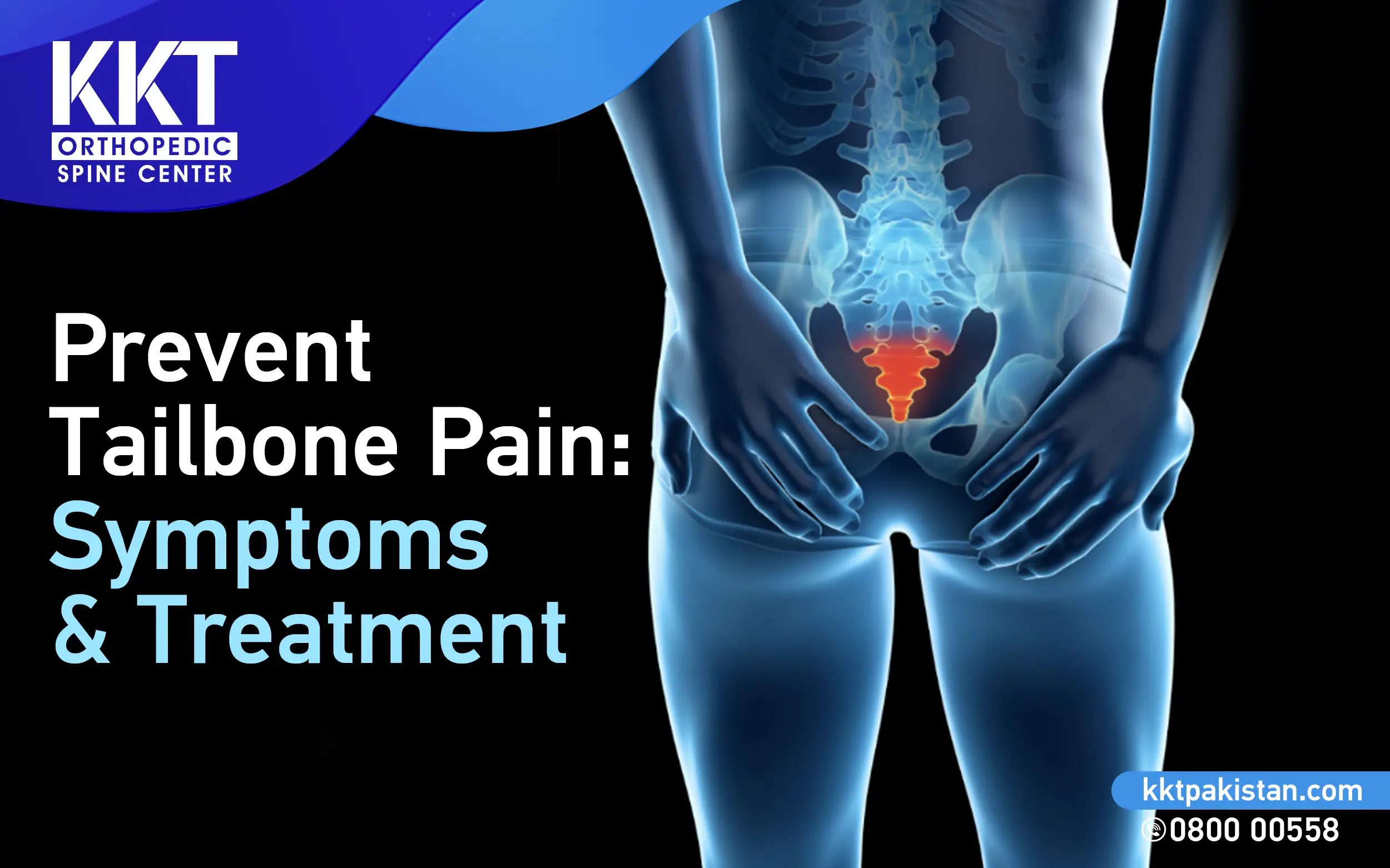
Tailbone pain refers to discomfort around the coccyx, the small triangular bone at the base of the spine. This area is highly sensitive because several ligaments, muscles, and nerve endings attach to it.
Pain typically worsens while sitting on hard surfaces, leaning backward, or transitioning from sitting to standing. In some cases, the discomfort may radiate slightly into the lower back or pelvic region, affecting posture and movement patterns.
Causes of Tailbone Pain
Pinpointing the underlying cause is essential because treatment varies depending on the source of irritation. Tailbone pain can develop due to mechanical stress, nutritional imbalance, or soft tissue strain around the coccyx.
Common Causes of Tailbone Pain
The most frequent answer to what is the cause of tailbone pain lies in prolonged pressure on the coccyx. Sitting for extended periods, especially on hard or poorly cushioned surfaces, places continuous stress on the tailbone and surrounding tissues, leading to irritation and discomfort. Minor trauma, such as a fall or repeated micro-injury, can also trigger inflammation in this area. In addition, poor posture can shift body weight directly onto the coccyx, increasing strain and making the pain more persistent over time.
Tailbone Pain Without Injury
Many individuals experience discomfort without any clear trauma. What causes tailbone pain without injury is often linked to poor posture, muscle imbalance, or long-term sitting habits that place repeated pressure on the coccyx. Weak pelvic floor muscles and tight hip structures can shift body weight toward the tailbone, increasing strain on surrounding tissues. Over time, this imbalance can lead to ongoing irritation and persistent discomfort, even without a specific injury.
Role of Vitamin Deficiency
Nutritional deficiencies can indirectly contribute to tailbone discomfort. The vitamin deficiency that causes tailbone pain is often linked to low levels of vitamin D and calcium, both essential for maintaining bone strength. When these nutrients are insufficient, bone density may decrease, making the coccyx more sensitive to pressure and minor stress. Over time, this can increase the likelihood of inflammation and persistent pain in the tailbone area.
Tailbone Pain Causes in Females
Tailbone pain in females is often linked to anatomical and hormonal factors that affect the pelvic region. Pregnancy and childbirth place significant pressure on the coccyx, which can lead to temporary misalignment or strain in the surrounding tissues. Hormonal changes, particularly those that increase ligament flexibility, may also reduce joint stability and make the area more sensitive. Over time, these factors can contribute to ongoing discomfort, especially during sitting or movement.
Stress Causes Tailbone Pain
Conditions That Can Be Mistaken for Tailbone Pain
Pain near the lower spine is not always directly linked to the coccyx. What can be mistaken for tailbone pain includes conditions such as sciatica, lumbar disc issues, or sacroiliac joint dysfunction. These conditions may produce similar symptoms, including radiating pain and discomfort while sitting.
Accurate assessment is necessary to differentiate between coccyx-related pain and other spinal or nerve-related conditions, as treatment approaches differ significantly.
Natural Ways to Relieve Tailbone Pain
Non-invasive approaches are often effective in managing tailbone discomfort, especially in the early stages. Care that focuses on reducing pressure on the coccyx, improving posture, and supporting gentle mobility can help ease irritation. Over time, these methods promote better alignment and allow the surrounding tissues to recover gradually, reducing discomfort without the need for invasive intervention.
Best Foods for Tailbone Pain Recovery
Diet plays a supportive role in recovery. Good foods for tailbone pain include anti-inflammatory options such as leafy greens, nuts, fatty fish, and foods rich in calcium and vitamin D. These nutrients support bone strength and help reduce inflammation around the coccyx.
Tailbone Pain Exercises for Relief
Tailbone pain exercises focus on improving flexibility and reducing tension in the muscles surrounding the coccyx. Gentle stretching of the lower back, hips, and pelvic region helps redistribute pressure away from the tailbone and supports better alignment. Regular movement also improves circulation, which can reduce stiffness and support tissue recovery. Over time, consistent exercises can ease discomfort and help maintain better posture during daily activities.
Fastest Way to Heal Tailbone Pain Naturally
What is the fastest way to heal a sore tailbone naturally depends on reducing pressure and allowing tissues to recover. Using cushioned seating, maintaining proper posture, and avoiding prolonged sitting can accelerate healing. Consistent movement and light activity also prevent stiffness.
Best Home Remedies for Tailbone Pain
The best remedy for tailbone pain often involves simple home-based care such as warm compresses, posture correction, and ergonomic sitting support. These methods help manage inflammation and reduce direct stress on the coccyx.
Self-Care Techniques for Tailbone Pain
Daily habits play a major role in both recovery and prevention. Small adjustments in posture and movement patterns can significantly reduce strain on the lower spine.
How to Adjust the Tailbone at Home
How to adjust the tailbone at home should be approached with caution. Gentle stretching and posture correction can help improve alignment, but forceful manipulation should be avoided. Maintaining a neutral spine position while sitting and standing helps reduce pressure on the coccyx.
Can Massage Help Tailbone Pain?
Whether massage helps with tailbone pain depends on the underlying cause. Soft tissue massage around the lower back and pelvic muscles can release tension and improve circulation, which may reduce discomfort. However, direct pressure on the coccyx should be avoided to prevent further irritation.
When to See a Doctor
Persistent or worsening pain requires medical evaluation. If discomfort continues for several weeks, interferes with daily activities, or is accompanied by numbness or severe tenderness, professional assessment is necessary.
In some cases, imaging or specialized treatment may be required to address structural issues or rule out underlying conditions.
Specialized Spinal Care for Tailbone Pain at KKT Pakistan
For individuals experiencing persistent discomfort that does not improve with basic care, a structured evaluation becomes important. In such cases, centers like KKT Pakistan focus on spinal alignment and nerve-related conditions using a non-invasive approach. This type of care is often considered when tailbone pain is linked with posture imbalance or underlying spinal stress, helping determine whether targeted correction can support recovery without surgical intervention.
Conclusion
Tailbone pain can range from mild discomfort to persistent irritation that affects everyday life. Addressing the root cause, whether mechanical, nutritional, or postural, is essential for effective recovery.
With proper care, targeted exercises, and supportive habits, most cases can be managed without invasive procedures. Paying attention to posture, movement, and early symptoms helps maintain spinal balance and prevent recurring tail pain.
Frequently Asked Questions (FAQs)
1. How can I stop my tailbone from hurting?
Reducing prolonged sitting, using cushioned support, maintaining proper posture, and performing gentle stretching can help relieve pain.
2. Is tailbone pain harmful?
In most cases, it is not serious, but persistent pain may indicate underlying issues that require evaluation.
3. How do you know if tailbone pain is serious?
Severe pain, swelling, or symptoms that do not improve over time may require medical attention.
4. Can tailbone pain be permanent?
It is usually temporary, but chronic cases can occur if the underlying cause is not addressed.
5. Does walking reduce tailbone pain?
Yes, light walking helps improve circulation, reduce stiffness, and support recovery.